Category: Politik

  • Why Not Make Thaipusam A National Holiday Again Alongside Deepavali, CNY And Hari Raya?

    Why Not Make Thaipusam A National Holiday Again Alongside Deepavali, CNY And Hari Raya?

    Another year, another incident. You’ve probably seen it – that viral video taken at the Thaipusam procession, or at least heard of its existence: How a volunteer officer from the Hindu Endowment Board (HEB) allegedly disrupted a procession over the use of musical instruments and amplification.

    Netizens have criticised the HEB and the authorities for disrupting the procession. Several in the Hindu community that The Pride spoke to feel that the authorities should allow them to carry out their religious rites without interference. The authorities have clarified that they have been accommodating to the Hindu community even if some may have broken the law, and the HEB has also since stated that the most recent incident has been settled amicably with the devotees.

    Yet, each year, what is supposed to be a joyful, religious festival for the Hindus seems only to be remembered for the disputes between devotees and the authorities.

    There have been umpteen calls to lift the ban on musical instruments at the procession – a ban which was put in place to control the noise levels. Those arguing against the ban often point out that lion dance troupes make plenty of noise – in public – too.

    Lion dance troupes with their drums and cymbals that are so active during the Chinese New Year period are arguably a lot noisier and affect far more people over a longer period than the Thaipusam devotees with their hand-held instruments and amplified voices, but Law Minister K Shanmugam, in a Facebook post made three years ago, said that lion dance troupes perform during social or community events and not religious events.

    This ban on music is not in place to discriminate against Hindus. Mr Shanmugam said that Hindus are given exemption from the law against religious foot processions during Thaipusam. He added that the Thaipusam procession goes through major roads – a privilege not afforded any other religious group.

    The procession is by no means a silent one: This year, there were 19 points along the 3.1km stretch from which music was transmitted and three stages along the route where live music was played.

    Retired police officer M Kunalan, 70, carried the spiked kavadi several times during his younger days. He says that there are troublemakers among the younger group of devotees who challenge the authorities and play their music loudly, disturbing the peace in what is supposed to be a solemn occasion.

    “These groups should be investigated and brought to task under the law. They bring shame to the Hindu community during a sacred festival,” he told the Pride.

    But is there a way to be even more accommodating to the Hindu community? Could there be more done to ensure that they are allowed to celebrate Thaipusam – which is to mark the victory of the deity Lord Murugan over evil?

    How about making Thaipusam a national holiday?

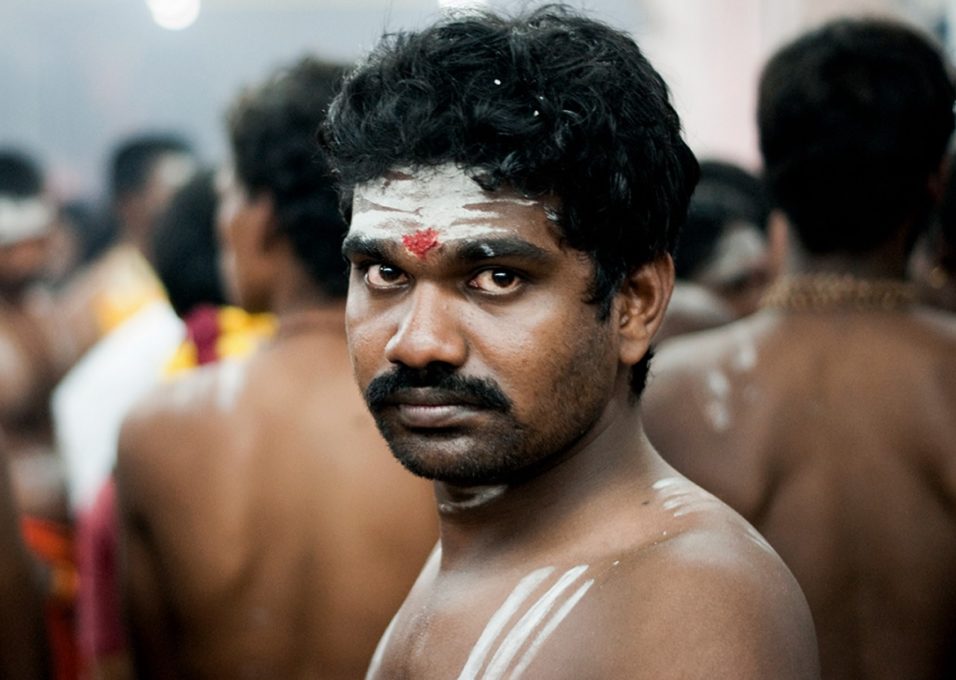
    The procession, with devotees bearing elaborate kavadis, is in itself a spectacular affair and communities other than Hindus or the predominantly Tamil devotees could join in the celebrations as respectful observers. Tourists could also soak in the festivities of such an event.

    “Thaipusam is not an easy event to organise. Logistically, it can be a nightmare and the devotees, even those who carry the kavadi, have to go through the added hardship of not having a public holiday on such an important occasion. Making it a holiday would go a long way in helping the Hindu-Tamil community,” said Mr Kalidass SKS, managing director of a security services company.

    The last time a call to turn Thaipusam into a holiday was in 2015, and the Ministry of Manpower (MOM) explained in nine points why not having it as a holiday would best serve Singapore. Thaipusam used to be a public holiday until 1968.

    It is regarded as a religious holiday, but if you considered it a holiday for Indians, which are largely represented by the Tamil community, there seems to be a fair argument for its reinstatement as a public holiday: The Chinese have two days – the first two days of the Chinese New Year, the Malays have Hari Raya Haji and Hari Raya Puasa, and the Indians currently have only Deepavali as a national holiday. Making Thaipusam a public holiday would mean the three main races of Singapore have two public holidays each.

    According to the MOM then, “the decision on which public holidays to give up was reached only after careful consultation with religious groups”.

    But that was in 1968. And the only religious festival that seems to be experiencing any sort of problem appears to be Thaipusam. Could we not all give up one day of work so that Thaipusam can get the space it needs?

    Residents in the area would probably be more forgiving of noise created as a result of the festivities if it were a holiday. Organisers of the procession would have a bigger pool to choose from for volunteers and helpers at the occasion. There will be less inconvenience to traffic if it weren’t a working day. And everybody in Singapore would begin to think of Thaipusam as a Singaporean religious festival instead of dismissing it as a day when Indians struggle in their fight against evil.

    MOM also explained that when the number of public holidays was set at 11 in 1968, the reason was this: “Faced with the British withdrawal and the need to compete in global markets, the government decided to reduce the total number of public holidays, among other things.”

    So never mind the music for now: The British have long departed. Singapore is suitably plugged into and very competitive in global markets. We could leave it to the economists to determine if one day less of work would plunge our economy into recession, and trust that city-planners and the Singapore Tourism Board would capitalise on the event to promote Singapore as a culturally rich and diverse destination.

    So, as the majority of Singaporeans prepare to celebrate Chinese New Year, which is just around the corner, perhaps it’s time to consider giving our Indian countrymen another public holiday.

    Source: PrideKindnessSg


    Rilek1Corner
  • What Lessons Can Be Learned From Singapore’s Religious Regulatory Framework?

    What Lessons Can Be Learned From Singapore’s Religious Regulatory Framework?

    The city-state has developed an interesting model, but one that cannot be lifted wholesale into other environments, writes HA Hellyer.

    In the last year, several cases of abuse perpetrated by Muslim religious figures have been widely discussed in Western Muslim communities. It is not relevant to comment too deeply on those cases in terms of specifics, that requires investigations that others are carrying out, but these examples brought up an interesting question. What do Muslim communities, particularly in the West, do when religious leaders are accused of carrying out ethical violations, which are not necessarily against the law, but are contrary to their commitments as religious leaders?

    As part of a broader project around the engagement of the Islamic tradition with issues of fundamental rights, I was interested in looking at different models that sought to address how ethical violations were being dealt with in Muslim communities. To that end, a very interesting model – if very particular to its own context – is being developed in Singapore.

    The inspiration for Singapore’s religious regulatory framework came from neighbouring Malaysia, where religious activity for Muslim preachers and teachers has been regulated for much longer. Indeed, the initial regulatory instrument of Singapore for Muslim religious activity – the AMLA – was inspired to a very large degree by a similar law in one of Malaysia’s federal states.

    That regulatory instrument brought the Majlis Ugama Islam Singafora (the Islamic Religious Council of Singapore) into life in 1968. Generally, that body did not really regulate religious leaders: it managed items such as zakat, mosques, the existence of a mufti and other administrative functions. That began to change in the late 1990s, when Pergas, an association for religious teachers, sought the establishment of a religious teachers recognition board. There was no particular appetite at the time, and thus it was left by the way side until the 9/11 attacks in the United States.

    It’s unfortunate indeed that it was the threat of extremism that led to this renewed concern in what is essentially a far wider and less negative concern. But nothing induces political will more than threats and in 2005, the Asatizah Recognition Board was formed to oversee the Asatizah Recognition Scheme. It remained a voluntary association for much of its existence and only became a legally established body last year.

    It’s an interesting model. It engages in the training of imams and religious teachers for different skills; it provides for a recognition of religious qualifications that may not come from widely recognised university establishments; indeed, the religious teachers themselves stand to gain a great deal from the model. But the ARB is also a disciplinary institution. It is a place where religious teachers who have been accused of ethical violations may be questioned. It is made up of religious teachers who are widely respected in the Muslim community.

    In that regard, the scheme operates much like a professional syndicate and officials engaged within it openly admit that they took a lot of inspiration from other professional syndicates in terms of what services the ARB ought to provide its membership. Regular skills training is provided and is a condition of membership. The skills are meant to ensure the religious training of the teachers in question are also contextualised to Singapore’s realities – much like how, for example, the Cambridge Muslim College in the UK, or the Zaytuna College in the US, are aimed at ensuring imams and religious teachers are fully aware of the social realities in which they live.

    But here is the catch – membership of the ARS is mandatory for any religious teacher. Without it, they cannot teach. More than that, the ARB can impose penalties on teachers who have run afoul of ethical prescriptions – penalties that can include fines or even imprisonment. There exists no other such regime for other religious communities in Singapore.

    I spoke to several officials and civil society activists engaged in the wider administration of Muslim religious life on a recent trip to Singapore – who, like me, seemed suspicious of any state power being utilised in the regulation of religious life in this manner. Some confided in me that to begin with they had opposed the compulsory nature of the scheme and weren’t entirely happy about certain aspects of how it was being imposed. And yet, at the same time, for those who were particularly engaged, they admitted there were problems with a few religious teachers, whom they thought required a certain heavy-handed approach. It’s clear there are teething problems, but almost no one I met in Singapore considered the existence of a compulsory syndicate for religious teachers to be a bad idea.

    It’s an interesting model and one that cannot be lifted wholesale to other environments. In the UK, for example, a legally imposed syndicate for religious teachers would raise genuine concerns around religious freedom. But the idea of a religious teachers’ syndicate is not so unusual. The main question is how to ensure it gains social credibility among the community it ministers to, and those who are to be its members, because legal compulsion of any kind may not be the answer in many contexts. How that is all to be done, particularly with such variety among Muslim Western communities, is yet to be seen and at the same time, given the clear problems that exist without regulation at all, it is probably only a matter of time before Muslim Western communities themselves create their own mechanisms. As they seek to do so, they might learn certain lessons from their Singaporean co-religionists.

    Source: thenational


    Rilek1Corner

  • Not Welcomed, U.N. Investigator To Assess Human Rights Across Myanmar Barred Before Visit

    Not Welcomed, U.N. Investigator To Assess Human Rights Across Myanmar Barred Before Visit

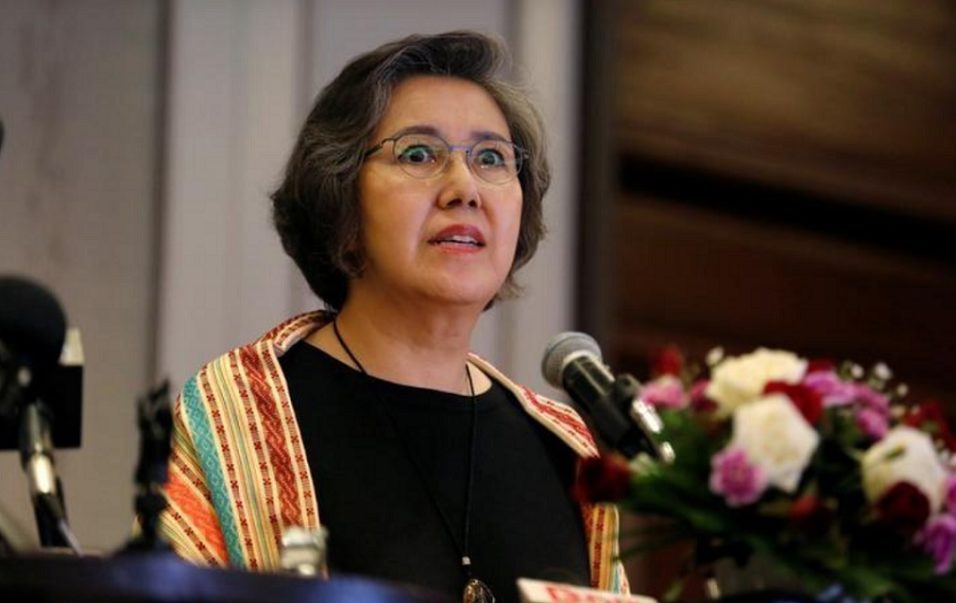
    GENEVA (Reuters) – The U.N. independent investigator into human rights in Myanmar called on Wednesday for stronger international pressure to be exerted on Myanmar’s military commanders after being barred from visiting the country for the rest of her tenure.

    Yanghee Lee, U.N. special rapporteur, had been due to visit in January to assess human rights across Myanmar, including alleged abuses against Rohingya Muslims in Rakhine State.

    But Myanmar had told her she was no longer welcome, she said, adding in a statement that this suggested something “terribly awful” was happening in the country.

    “From what I see right now I’m not sure if they are feeling pressured. I’m not sure if there is the right kind of pressure placed on the military commanders and the generals,” she later told Reuters by phone from Seoul.

    She said it was alarming that Myanmar was strongly supported by China, which has a veto at the U.N.’s top table in New York. Other countries including the United States and human groups were advocating targeted sanctions on the military, she said.

    “It has to work. And I’m sure the world has to find a way to make it work. And I think the United Nations and its member states should really try to persuade China to really act towards the protection of human rights,” she said.

    More than 650,000 Rohingya have fled into Bangladesh since Aug. 25, when attacks by Muslim insurgents on the Myanmar security forces triggered a response by the army and Buddhist vigilantes.

    Surveys of Rohingya refugees in Bangladesh by aid agency Medecins Sans Frontieres have shown at least 6,700 Rohingya were killed in Rakhine state in the month after violence flared up on Aug 25, MSF said last week.

    The U.N. High Commissioner for Human Rights Zeid Ra‘ad al-Hussein has called the violence “a textbook example of ethnic cleansing” and said he would not be surprised if a court eventually ruled that genocide had taken place.

    Lee had planned to use her visit to find out procedures for the return of Rohingya refugees, and to investigate increased fighting in the Kachin and northern Shan areas of Myanmar.

    Lee, in an earlier statement, said Myanmar’s refusal to cooperate with her was a strong indication that there must be “something terribly awful happening” throughout the country, although the government had repeatedly denied any violations of human rights.

    “They have said that they have nothing to hide, but their lack of cooperation with my mandate and the fact-finding mission suggests otherwise,” she said.

    She was “puzzled and disappointed”, since Myanmar’s Ambassador in Geneva Htin Lynn had told the U.N. Human Rights Council only two weeks ago that it would continue to cooperate.

    “Now I am being told that this decision to no longer cooperate with me is based on the statement I made after I visited the country in July,” she said.

    Lynn did not respond to a request for comment. Neither Zaw Htay, spokesman for Myanmar’s de facto leader Aung San Suu Kyi, nor Kyaw Moe Tun, a spokesman for the ministry of foreign affairs that Suu Kyi heads, were immediately available.


    Source: uk.reuters.com

  • 5 Soalan Bersama Mufti Singapura Dr Mohamed Fatris Bakaram

    5 Soalan Bersama Mufti Singapura Dr Mohamed Fatris Bakaram

    Sebagai Mufti Negara apakah agaknya satu perkara yang mahu Dr Mohamed Fatris Bakaram ubah mengenai masyarakat Islam, khususnya yang di Singapura?

    Apakah pula cabaran yang perlu ditangani Dr Fatris sehingga sering tidak tidur malam lantaran beratnya isu-isu tersebut? Sudahlah berat tanggungjawab yang perlu dipikul kadangkala terpaksa pula berdepan dengan salah tanggapan, cercaan dan komen-komen negatif masyarakat.

    Kata orang, tak kenal maka tak cinta. Oleh itu, dalam segmen 5 Soalan Bersama minggu ini, wartawan Nurulkhasanah Agost mengajak anda menyelami isi hati Mufti Singapura ini tentang beberapa isu, sekaligus cuba mengenali penghulu masyarakat Islam tempatan itu dengan lebih dekat lagi.

    SOALAN 1

    Khasanah: Apa antara isu-isu yang buat Ustaz tidak tidur malam lantaran beratnya isu itu? Berikan contoh, Ustaz?

    Mufti: Dalam pengalaman lebih daripada enam tahun sejak saya memegang jawatan sebagai Mufti Singapura saya rasa agak sukar untuk menumpukan hanya kepada satu isu yang ingin kita katakan sebagai isu yang membuat saya tak tidur malam.

    Isunya banyak yang perlu ditangani. Majlis Ugama Islam Singapura (MUIS) sebagai satu badan berkanun yang bertanggungjawab bagi pelbagai urusan dan hal ehwal agama bagi masyarakat Islam Singapura sebenarnya mengendalikan pelbagai isu. Isu madrasah, masjid, dakwah, pendidikan, zakat, haji, korban. Jadi boleh dikatakan ‘everything that is under the sun‘ (segala-galanya).

    Kadang-kadang ada isu yang datang secara mendadak tanpa kita jangkakan. Sebagai contoh apabila terdapat insiden penangkapan individu tertentu yang didapati terpengaruh dengan pemikiran ekstrim, punya rancangan untuk melakukan tindakan di luar batasan undang-undang. Itu suatu yang bila timbul kita tangani dan itu juga termasuk antara isu yang mengganggu fikiran, mengganggu ketenangan.

    Jadi boleh dikatakan nak cari satu isu yang buat saya tak tidur malam itu saya rasa tak boleh sebab ia pelbagai isu. Keadaan tidak tidur malam itu banyak berlaku. Sering berlaku dalam kehidupan sebagai seorang Mufti.

    SOALAN 2

    Khasanah: Ini soalan senario. Katakanlah, kalau Ustaz boleh mengubah satu perkara tentang umat Islam (atau umat Islam Singapura), apa yang mahu Ustaz ubah?

    Mufti: Yang melihat agama itu sebagai satu perkara yang terpisah daripada kehidupan. Melihat agama itu sebagai satu yang berkaitan dengan skop kehidupan yang sangat bersifat peribadi.

    Padahal di sebalik keadaan separa sedar kita sebagai seorang Muslim, kita tahu dan kita sebenarnya sedar dia dua perkara yang tidak boleh dipisahkan; antara kehidupan dunia dengan motivasi dan dorongan serta nilai-nilai agama. Masih lagi terdapat sebahagian masyarakat yang merasa tidak selesa apabila kita menjadikan perjalanan agama kita ini sesuatu yang perlu disesuaikan dengan realiti kehidupan. Ada sebahagian orang mengatakan agama adalah agama dan dia tidak boleh berubah.

    Kita perlu jadi masyarakat yang bijak melihat. Yang mana asas agama yang perlu, itu tetap. Tetapi banyak aspek agama yang perlu (juga) disesuaikan kerana agama itu adalah sesuatu yang Allah atur untuk keperluan hidup kita. Apabila kita gagal melihat ada aspek agama yang perlu disesuaikan – bukan untuk dibuang prinsip asasnya tetapi sesuatu yang disesuaikan pelaksanaannya dengan mengekalkan agama seperti mana cara tradisinya – itu yang akan menyebabkan agama itu semakin lama semakin tidak dapat serasi dan sesuai dengan keperluan hidup.

    (Gambar: MUIS)

    SOALAN 3

    Khasanah: Di media sosial, begitu mudah warga siber mengeluarkan kata-kata kesat, penghinaan, berita yang tidak benar dan sebagainya. Apa kebimbangan utama Ustaz tentang fenomena ini terhadap generasi muda sekarang dan generasi masa depan?

    Mufti: Sikap dan watak sebagai masyarakat yang penuh dengan cercaan, yang penuh dengan tohmahan, masyarakat yang berbicara tanpa berfikir terlebih dahulu, masyarakat yang memberi komentar, kadang-kadang dalam bentuk yang sangat pedas. Sedangkan faktanya tidak diselidik terlebih dahulu dan juga dipastikan kebenarannya. Saya rasa itu budaya yang sedang terbentuk daripada fenomena media sosial yang ada sekarang.

    Kita kena sedarkan diri kita. Kalau kita membiarkan itu sebagai arus yang berterusan dan kita biarkan diri kita terbawa oleh arus tadi, akan timbul masalah yang besar dalam kehidupan kita bersama. Saya mengharapkan masyarakat akan lebih bijak.

    Saya melihat terdapat tanda-tanda yang positif. Dari satu sudut generasi muda, sudah banyak interaksi saya dalam media sosial, juga di luar, saya rasa ramai daripada golongan muda yang sebenarnya punya kesedaran merasa, rasa ‘sick’ dengan budaya yang begitu negatif.

    Saya rasa generasi muda generasi yang ingin lebih banyak membuat perubahan. Generasi muda sekarang ini lebih punya kesedaran untuk berfikir dahulu sebelum berbicara. Saya rasa kita perlu terus membangun kesedaran itu menjadi satu ciri yang boleh kita banggakan dalam masyarakat kita.

    SOALAN 4

    Khasanah: Boleh Ustaz jelaskan sedikit tentang adab-adab bersosial di media sosial?

    Mufti: Kita diajar dalam Islam ini, bahawa dalam apa pun keadaan, sama ada kita bersendiri ataupun bersama dengan orang lain, untuk senantiasa membasahkan lidah kita – dan lidah itu sebagai cerminan apa yang ada dalam hati kita – dengan doa. Kita doakan orang terbaik, kita nak buat apa-apa, kita doa yang terbaik untuk diri kita. Satu keyakinan dalam latihan kami (sebagai asatizah) ialah bila kita mendoakan sesuatu yang baik kepada orang lain maka Tuhan pasti akan pulangkan juga kebaikan itu kepada kita. Jadi orang lain akan dapat kebaikan hasil doa kita, dan kita juga akan dipelihara oleh Tuhan.

    Maka tak mungkin berlaku seorang itu, (jika) lidahnya penuh dengan doa, kalau lidahnya juga pada masa yang sama, dipenuhi dengan cercaan. Dia dua perkara yang tidak boleh berada pada satu tempat, dua yang bertentangan. Kalau ada doa, tidak mungkin ada cercaan. Kalau banyak cercaan, tidak mungkin dia seorang yang banyak berdoa.

    Ke mana kita nak bawa masyarakat kita ini? Dalam masa kita menghadapi pelbagai isu yang sekarang ini boleh dibincangkan secara mudah, secara terbuka, tidak perlu duduk di kedai kopi berjumpa, kadang-kadang sebelum tidur setengah jam baring di katil pun kita boleh bincang macam ahli Parlimen, beri pandangan sebagai pengkritik sosial kadang-kadang. Bagaimana kita menghasratkan kebaikan untuk semua? Apakah kita ini ingin membentuk satu budaya yang akan meluas dalam masyarakat yang kemudiannya menjadi legasi yang kita wariskan kepada generasi seterusnya?

    (Gambar: TODAY)

    SOALAN 5

    Khasanah: Saya difahamkan ustaz gemar menulis puisi. Boleh ustaz kongsi sedikit mengenai puisi-puisi tulisan ustaz?

    Mufti: Minat itu memang ada sejak saya sekolah menengah lagi.

    Saya mencurahkan emosi saya, saya mencurahkan perasaan saya dalam bentuk penulisan. Sampai sekarang. Cuma, sebenarnya apa yang saya hasilkan yang kadang-kadang saya lampirkan dalam ruang FB saya, itu sedikit sebenarnya. Bukan sedikit dalam erti kata banyak (yang) saya sudah hasilkan (dan) saya keluarkan sedikit. Tetapi memang saya jaga diri saya untuk tidak meluangkan terlalu banyak masa menulis puisi.

    Mungkin kerana saya jenis orang yang mula membangunkan kemahiran menulis puisi hasil kerana suasana emosi yang mengganggu. Sampai sekarang kalau saya hendak menulis puisi atau sajak, saya kena duduk dan layankan perasaan. Kalau saya ada puisi, katakanlah, ia berunsur sentimental tentang kenangan masyarakat lalu, hidup suasana kampung. Saya nak tulis itu, memang saya kena betul-betul merasakan suasana sentimental yang mempengaruhi pemikiran saya.

    Kalau ada puisi yang bercorak mengkritik dan ada unsur kemarahan, saya agak rasa betul-betul marah baru saya boleh buat puisi itu. Jadi kalau saya tak jaga-jaga, saya nak menghasilkan puisi yang banyak, saya kena mewujudkan suasana itu. Sebab (itu) saya perlu seimbangkan dengan keperluan tugas, realiti kehidupan, perkara-perkara yang perlu ditangani. Saya minat menulis, tapi saya tidak minat menjadikan penulisan itu sebagai sesuatu yang utama dalam kehidupan saya.


    Source: BERITAMediacorp

  • Malaysian MPs Say AirAsia, Firefly Stewardesses’ Uniforms Too Sexy, Malindo Air More ‘Acceptable’

    Malaysian MPs Say AirAsia, Firefly Stewardesses’ Uniforms Too Sexy, Malindo Air More ‘Acceptable’

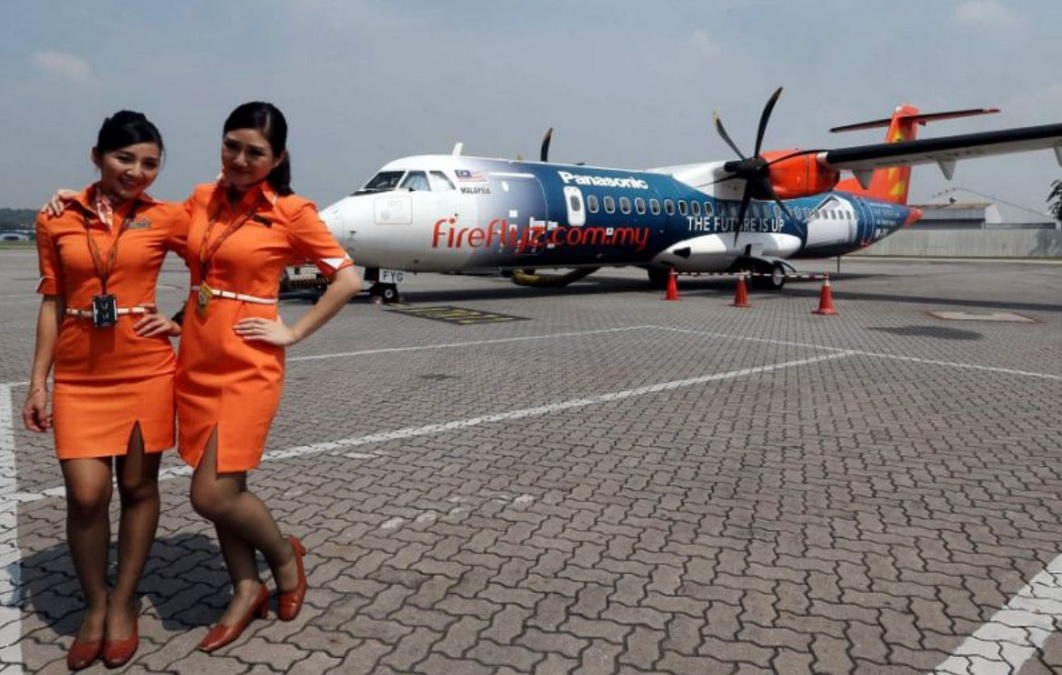
    Two Malaysian ruling party lawmakers have chided homegrown low-cost airlines AirAsia and Firefly for dressing their stewardesses in uniforms that are “too revealing”.

    Senator Abdullah Mat Yasim, a division chief of the ruling Umno party, said in parliament the fitted attire of AirAsia’s and Firefly’s female flight attendants can “arouse passengers”, the New Straits Times reported.

    The “eye-catching outfits” also do not reflect the status of Islam as the official religion of Malaysia, Abdullah added according to the newspaper.

    Photo: AirAsia Airlines

    “The Malaysian Aviation Commission (MAVCOM) must really look into this,” Abdullah said when debating the MAVCOM (Amendment) Bill 2017 in Parliament on Monday (Dec 18).

    His view was supported by Senator Megat Zulkarnain Omardin, who suggested that the airlines redesign the uniforms.

    “My wife is worried whenever I fly alone on Malindo or AirAsia,” Megat, who is also general-secretary of the Malaysian National Silat Federation, quipped.

    “This is a real hassle for me,” he said, drawing laughter from other members of the Dewan Negara or parliament.

    Photo: Firefly Airlines

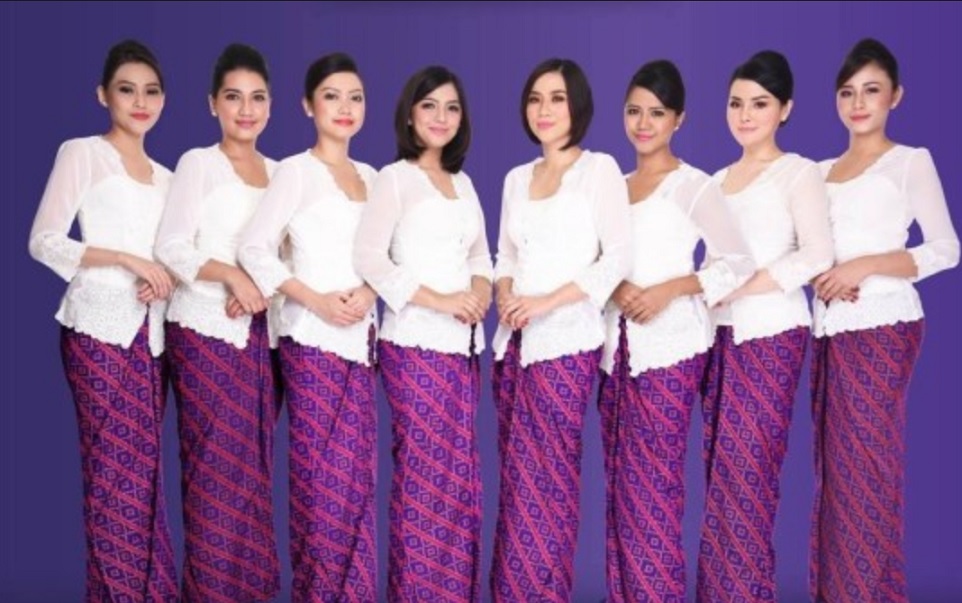
    Abdullah said the flight attendant uniforms of Malindo Air, another Malaysian budget carrier, were “acceptable”, NST reported.

    The uniforms are also body hugging but at least the “sensitive areas” are covered, he was quoted as saying, without specifying which areas he deemed to be “sensitive”.

    Photo: Malindo Air

    Abdullah was praised by Dewan Negara deputy president Abdul Halim Abd Samad for highlighting the issue.

    “This is a good topic that many people can relate to as they always take flights,” he said.

    It was the second time in two weeks that flight attendant uniforms have come under the spotlight at Malaysia’s parliament.

    Last week, Senator Hanafi Mamat, who is secretary of the Kelantan Umno branch, said attendants should wear “syariah-compliant” uniforms as Malaysia is an Islamic country.

    Tourists might get the wrong impression of Malaysia if flight stewardesses dress up “sexily and disrespectfully”, he said.


    Source: ST