A forested route in Pulau Ubin that is the dwelling of poisonous snakes and wild boars leads to a mangrove swamp that Mr Quek Kim Kiang frequents daily to catch crabs.
Using a hook attached to a pole, the 63-year-old fishes out the edible crustaceans from the mud. He then sells them to families on the island or the mainland for about $25 a kilogram.
Mr Quek’s daily routine was uncovered by anthropologist Vivienne Wee, who has discovered “hubs of economic activity and vast social networks within and beyond the island”.
She said this puts to rest the assumption that the island, home to 38 residents – down from 2,000 in the 1950s to 1970s – is a dying town.
Through her research, she found that the islanders have established links with people beyond the island, such as former residents, as well as the 300,000 day trippers it gets annually. She said that heritage, nature and sports interest groups also have ties to the place.
Dr Wee, managing director of anthropology company Ethnographica, was commissioned by the National Heritage Board (NHB) to map the island’s multi-faceted layers of social history. This is the first such comprehensive effort for Pulau Ubin.
She is leading a five-member research team, which started work in April and has conducted interviews with more than 20 residents. The project is expected to be completed by December or January.
NHB assistant chief executive of policy and development Alvin Tan agreed with Dr Wee’s assessment.
“Everyone thinks the trades here are in decline, but that is not true. There is a actually a sense of rejuvenation and renewal,” he said.
For instance, Mr Quek, hoping to pass on his crab-catching skills, has taken a disciple under his wing.
“I am passing on my technique to a nine-year-old boy from Singapore who comes here on weekends to fish with his father,” he said.
The information gathered by Dr Wee and her team so far can be clustered into categories such as economic activities, trades and skills; social lives and relationships; religious festivals; and kampung architecture.
The cultural mapping project, first suggested by the Singapore Heritage Society, was undertaken by NHB. It is one of the board’s contributions to an ongoing Ubin Project led by the Ministry of National Development.
The ministry is working with the community and other government agencies through its Friends of Ubin Network to gather ideas on how to maintain the island’s rustic charm. Its plans include preserving Ubin’s nature, biodiversity and heritage.
NHB’s Mr Tan said research findings will be shared with the network “to help the authorities develop sensitive strategies to retain and enhance the island’s rustic charms”.
The project also builds on NHB’s earlier work on the island, which includes a 2013 documentation of its historical sites, a documentary on its boatmen and a virtual tour.
Among Dr Wee’s other interviewees is farmer turned drink-seller Wang Xiao San, known by islanders as Madam Lai Huat So, 76. She represents the varied skillsets of an average islander.
Madam Lai, who zips around the 10.2 sq km, boomerang-shaped island on a motorbike, used to farm vegetables, grow fruit trees, rear poultry and cultivate prawns.
While she continues to maintain 90 durian trees and 10 rambutan and jackfruit trees, her main source of income today is from her Ah Ma Drink Stall along Jalan Jelutong, on the island’s main strip.
The stall – a blue wooden structure built by her late husband – still gets about 100 customers a day on weekends, thanks to day trippers.
Madam Lai also exhibits the island’s culture of self-reliance, as she is able to build structures such as chicken coops on her own. She picked up these skills from her late father, an influential islander credited with building most of Pulau Ubin’s kampung homes.
In addition, the island’s Wei To Temple complex, on which a Hindu shrine was recently established alongside a Tibetan Buddhist temple and Taoist temple, is evidence that the landscape is continually evolving, said Dr Wee.
The shrine is just a few months old and is where deities from demolished Hindu temples on mainland Singapore were relocated by devotees.
The Republic’s successful bid to have the Singapore Botanic Gardens recognised as a UNESCO World Heritage Site earlier this month has sparked discussion, and hope, that more sites reflecting the nation’s heritage may gain recognition and protection.
Top on the wishlist of heritage experts and the public are Pulau Ubin, Bukit Brown and Jalan Kubor cemeteries, Jurong industrial estate, and even the types of public housing built over the years.
As the largest Chinese cemetery outside China with about 100,000 graves, Bukit Brown is a historical site comparable to others around the world, said Singapore Heritage Society vice-president Terence Chong. “More importantly, Bukit Brown is a showcase of the complexity of overseas Chinese culture with Fujian influence lying beside Peranakan aesthetics,” he added.
The society’s president, Dr Chua Ai Lin, said the cemetery was placed on last year’s World Monuments Watch, a global list of endangered cultural heritage sites. This is testimony to the fact that it has considerable heritage value, she said. Jalan Kubor, Singapore’s oldest Muslim cemetery and home to about 15,000 graves, is equally rich in heritage, she added.
The decision to build a road through Bukit Brown in 2012 resulted in consternation among conservation groups, which lamented the ensuing loss of heritage and biodiversity. Meanwhile, calls have been made to preserve Jalan Kubor by making it part of the Kampong Glam conservation district.
Last week, National Development Minister Khaw Boon Wan said the Botanic Gardens was “just the very first site” that Singapore could offer to the world, and that there was much to reflect upon with regard to the nation’s next heritage site.
Indeed, the Gardens’ success has led to much discussion about what else can be done to recognise other heritage sites — even if they do not have the potential to get on UNESCO’s list.
Singapore formally protects heritage sites through the inscription of National Monuments and conserved buildings. But Dr Chua noted that heritage-rich sites such as Bukit Brown slip through the cracks of protection.
“It is neither a building nor a monument,” she said, adding that there needs to be a comprehensive review of heritage legislation. “One of the things we’ve been saying is there is already existing legislation, but are they sufficient in protecting all sites?”
For instance, Singapore University of Technology and Design architecture assistant professor Yeo Kang Shua said public housing, ranging from Singapore Improvement Trust flats to more recent HDB homes, was worthy of consideration too, given the country’s success in this area.
Said Dr Yeo, who is also Singapore Heritage Society’s honorary secretary and whose work includes the restoration of Yueh Hai Ching Temple on Phillip Street: “We can look at the different periods of development and how we keep it as part of our landscape.” However, he acknowledged the challenges of getting public housing inscribed. “It’s a lived environment and, because of that, we have to accept that it’ll change over time.”
Architect and urban historian Lai Chee Kien pointed out that Jurong industrial estate, a “Garden Industrial Estate”, was revolutionary in its planning and design. “It’s the only industrial estate I know that crisscrosses industrial areas with greenery … the Chinese and Japanese Gardens, Bird Park and lake area provide greenery for workers’ respite,” he said. “Jurong is a lesser-known but important idea that Singapore has given the world — that you can integrate green areas to ameliorate industrial areas, rather than setting them apart.”
Pulau Ubin, said Dr Chua, also needs further protection. “Pulau Ubin is not protected by any legislation now, but is a place that is rich in cultural heritage and deserves to be protected.”
Wishlists aside, Dr Chua said what is more pressing is the need to involve Singaporeans in the ongoing public conversation on heritage. Agreeing, Dr Yeo said: “Having a title tends to raise awareness. We congratulate ourselves for getting Botanic Gardens (listed), but what’s next?” He called for a public platform where people could “discuss heritage openly and transparently, be it our local community heritage, national heritage or world heritage”.
Responding to media queries, the National Heritage Board (NHB) said it has no plans to nominate other sites in Singapore for UNESCO World Heritage Site status. NHB CEO Rosa Daniel said putting up a bid for such a status requires a lot of resources from government agencies and the community, and the work continues even after a successful inscription. But the board is open to exploring possible sites with experts and stakeholders, she added.
While most may expect a World Heritage site to be of certain grandeur, such as China’s Great Wall, Dr Chua felt that in Singapore, it could be any place that is “deeply valued by the local community and which meets UNESCO criteria”.
A project is under way to capture the life and times of residents living on rustic Pulau Ubin.
The National Heritage Board (NHB) will conduct interviews with about 40 current and former Ubin residents before producing a research report and a 20-minute documentary on the island’s community heritage.
One possible interviewee is Mr Kat Kau Chye, a 67-year-old boat operator who lives in a wooden house on the 10.2 sq km, boomerang-shaped island.
Born and raised there, Mr Kat told The Straits Times he would never trade the tranquil kampung life for the dense urban living on mainland Singapore.
“In Singapore, you can hear your neighbours through the walls, or be woken up by the sounds of cars late at night,” said Mr Kat in Mandarin.
Then there is Ubin’s close-knit community, which he has become accustomed to.
“If I cook herbal soup, and my two or three neighbours bring along their own dishes, we have a feast,” he said.
It is this largely intangible spirit, among other things, that the NHB wants to document.
The project will seek to chronicle the interviewees’ experiences living on the island and their sentiments on the way of life there, as well as capture short biographies of them.
The NHB said this documentation project, which will also include oral history recordings, is one of its contributions to the ongoing Ubin Project led by the Ministry of National Development.
The ministry has been working with the community and other government agencies such as the National Parks Board to gather ideas on how to maintain the island’s rustic charm. Its plans include preserving Ubin’s nature and biodiversity.
Mr Alvin Tan, NHB’s assistant chief executive of policy and development, said research on the island’s community and social heritage can help “develop more sensitive strategies to enhance Pulau Ubin’s island heritage”.
The project will build on NHB’s earlier work on the island, which includes a 2013 documentation of the island’s historical sites such as former quarries, temples and shrines; a virtual tour of the island; and a documentary on Ubin’s boatmen.
The Singapore Heritage Society’s president, Dr Chua Ai Lin, a participant in the ministry’s Friends of Ubin Network sessions, said it is important that the interviews do more than collect dust on a shelf.
For instance, she believes residents should be asked to elaborate on and break down the aspects of island life to better understand what exactly constitutes “rustic”.
This in turn could help the Ubin way of life to “continue to thrive”, she said.
“It could range from their knowledge of agriculture, skills on repairing and living in wooden houses, and the mentality behind leading sustainable, kampung lifestyles,” she added.
Ubin resident Kamariah Abdullah, 57, who owns a century-old Malay kampung home which she restored with her family, agreed with Dr Chua.
She hopes the project will be able to capture the challenges of maintaining a traditional house and lifestyle.
Architectural historian Lai Chee Kien believes that the project can help supplement existing data on the island, which has seen its population dwindle over the years.
Although it receives more than 300,000 visitors annually, it is home to just 38 residents now, compared to the 2,000 who lived there from the 1950s to 1970s.
Said Dr Lai: “It is worthwhile to get as best a representation as possible on how islanders think and compare it against the record of the people who have already been interviewed in the past, to give context to the evolution of island life then and now.”
In an exclusive interview with Channel NewsAsia, the Urban Redevelopment Authority’s (URA) Chief Planner and Deputy Executive Officer Lim Eng Hwee said URA intends to intensify efforts to decentralise business activities and commercial centres outside the city.
Decentralisation is a way to achieve a more sustainable growth by distributing commercial activities to various parts of the island, such as Tampines, Jurong and Paya Lebar – as well as an upcoming one stretching from Woodlands to Punggol, called the North Coast Innovation Corridor.
Q: What is URA’s key strategy for the next decade?
A: Broadly and conceptually, we have always talked about decentralising activities, but we think there is opportunity for us to really intensify, to work across all the agencies to make it happen – and in the process create something that is quite unique.
Take Jurong as an example. Before we launched the development, the masterplan in 2008, people’s impression of Jurong is: It is near an industrial area; it is not attractive; there is only one shopping mall. With Jurong East today, once you have coordinated effort across agencies, partnerships with the private sector to try to integrate things together, it can take a very refreshing look.
Tampines Regional Centre has achieved a certain critical mass, it right now has a couple of hundred square metres of office space; it has three significant malls. So in terms of serving the residents’ needs it is adequate for now, but Tampines is still being developed. We see the Tampines regional centre and Changi Business Park – which is right next to the new SUTD University – as a twin hub that anchors major business and commercial activities.
The location of these two twin centres, in particular the Business Park, is right next to Changi Airport. In time, the next 10 years or so, Changi Airport will be expanded and there will be a lot more activities happening in Changi. The whole of Singapore’s East will be a very significant hub.
Q: Long-term and forward-looking planning has been entrenched in the land use development process in Singapore. How has this enabled Singapore to be more nimble in seizing opportunities?
A: I would say it is a very strategic advantage to Singapore. We were talking to some of the financial institutions and even sharing, doing exchanges with other cities. You realise that for other cities, when it is time for them to seize opportunities and obtain investments to expand, they were hindered by the availability of land. It is not just land – many cities are much bigger than Singapore, so it is not difficult to find land – but having land in a right location, at a right time that allows you to expand your business investment. To us that gives us an opportunity.
Planning is neverending so these are the type of questions we ask ourselves. Among the agencies we sit down together and brainstorm – whether there are new ideas, whether we can leverage on some of these opportunities.
We know in the longer term, the port will be consolidated in Tuas for example, so there must be a lot of opportunities for us not only to take away the freight traffic now in Keppel, Pasir Panjang, where there’s haulage in that area. When you consolidate, you take away that traffic and when you have so many trucks moving around serving the port, surely the logistics industry can find some way to extract maximum efficiency. It can create a logistics hub; it can create things which companies can share the services.
Likewise, the same concept can apply to Changi, when we start to grow aviation not just for passengers, but also the cargo, the aviation industry. Whether it is maintenance, repair and operations or logistics companies, when they start to congregate around the airport, again there will be opportunities for us to do something.
In planning what we can do is discuss with agencies, including economic agencies, to look at what some of these opportunities are, and make sure there is land safeguarded for these new ideas to take place.
Q: Were there any “planning mistakes” and what has been done to rectify them?
A: I am not sure if this is a mistake. Often you make certain decisions in the context of the situation at that point in time. One particular area is perhaps in the area of conservation. For obvious reasons, in the 60s and 70s, we were faced with huge challenges – unemployment, the acute housing shortage, and the city centre was so crowded.
The focus was not on whether heritage buildings should be conserved. So you see a lot of massive, comprehensive redevelopment, where so many old buildings were removed. Looking back in hindsight of course, we say some of these unique buildings ought to be kept.
Starting from the 80s, the planners and the decision makers at that point in time started to think about whether we should start to retain these heritage buildings which are important anchors for future generations. The buildings will provide a link for them to identify with their past. So the conservation journey really started in the 80s.
Having kept these buildings is not enough. Having retained them, I think we should now think about how can we help people to understand more of the history behind these buildings. We have to encourage people to start talking about the buildings, and share their personal stories so that the younger generation, when they look at the building, they understand the history behind them. I would not think that the decision made then to demolish the buildings as mistakes – it is really contextual.
Old buildings and infrastructure have to be demolished to make way for the new, in the face of rapid urbanisation and development of contemporary Singapore. Here are 20 places in Singapore that no longer exist, some making its disappearance more quietly than the others.
Where: Sentosa, where Universal Studios Singapore sits now
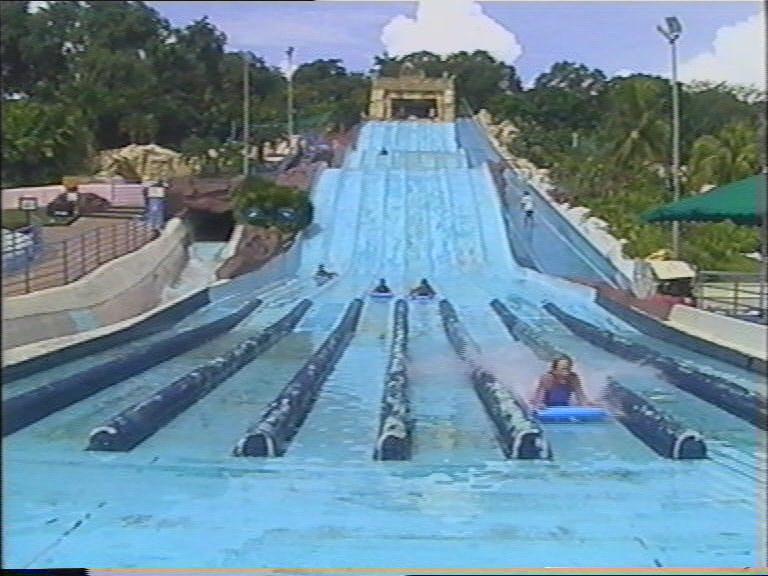
What: An iconic attraction in the 90’s, the $54 million water theme park was opened from December 1994 to 2 November 2002. The water park’s focal point was a huge eight-lane slide with water currents so hasty it could launch riders in mid-air momentarily. The compulsory entrance fee to Sentosa, on top of Fantasy Island’s entrance fee, coupled with inaccessibility due to limited SBS buses going into Sentosa, was a deterrent for many. Its demise was eventually accelerated with numerous media coverage of accidents and 2 deaths at the theme park.
If you miss this, you might also like: Wild Wild Wet
Where: Sentosa, No. 7, Artillery Avenue, before the Integrated Resort appeared
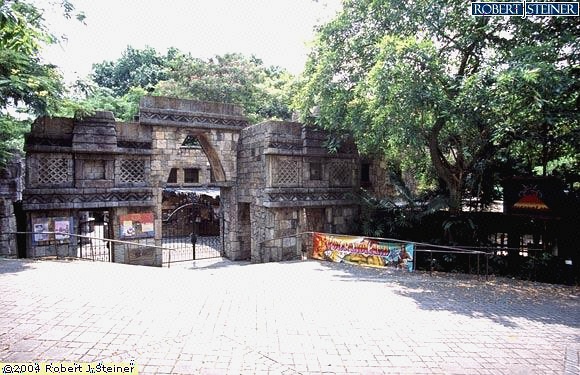
What: While Singapore may not have natural volcanoes, Volcano Land featured an artificial volcano, complete with Mystic Mayan motifs and scenery. A mythological explorer and his robot join visitors on their journey, which first starts with an ancient excavation. At the end, the Volcano Land show finishes off with a ‘volcanic eruption’.
If you miss this, you might also like: Science Centre, maybe?
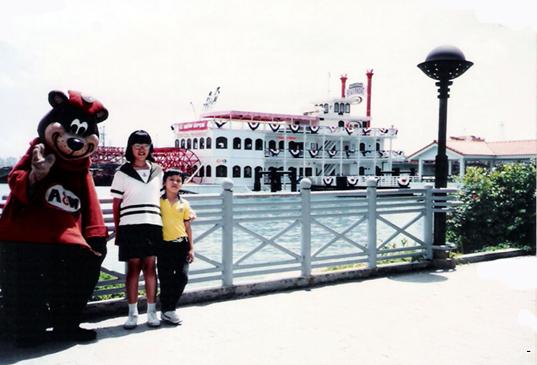
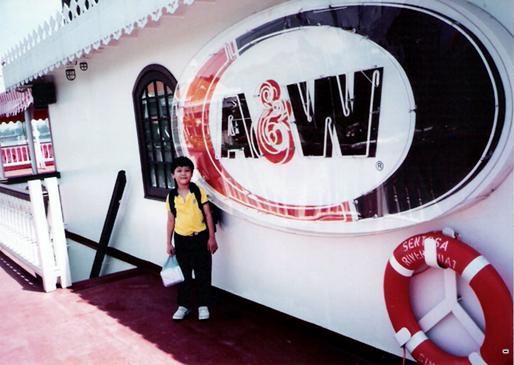
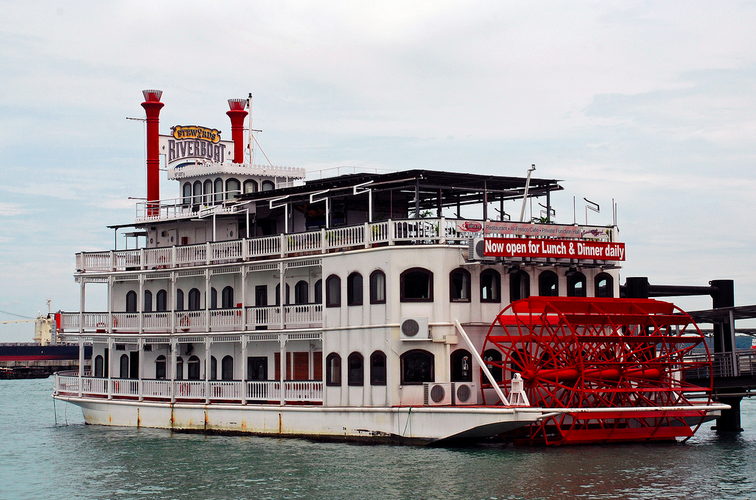
What: Built in 1991, this boat was home to Singapore’s floating A&W restaurant at Sentosa. Sadly, A&W fast food chain can no longer be found on the shores of Singapore. This vessel has since been revamped, now known as Stewords Riverboat and relocated to Marina South Pier, housing Santa Fe Tex-Mex Grill and Breaking Bread.
If you miss this, you might also like: Da bao A&W from Batam and smuggle dine onboard Stewords Riverboat at Marina South Pier
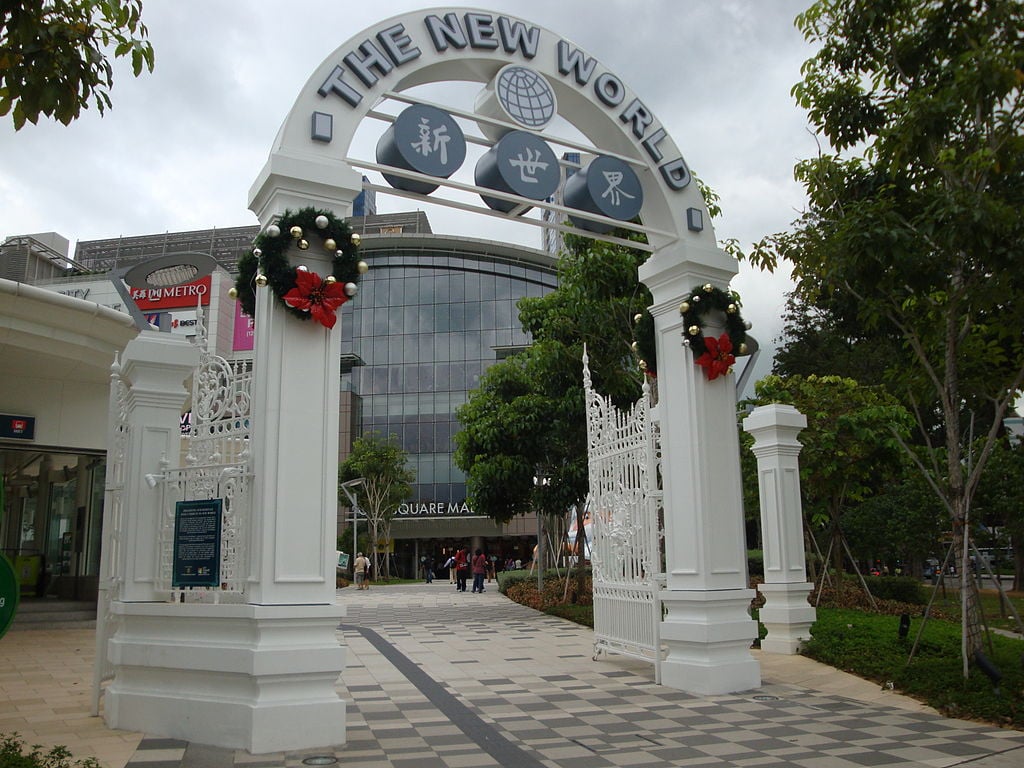
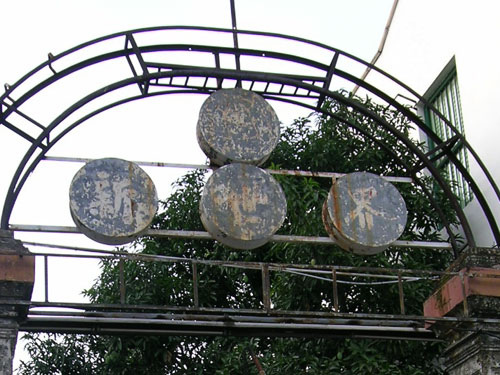
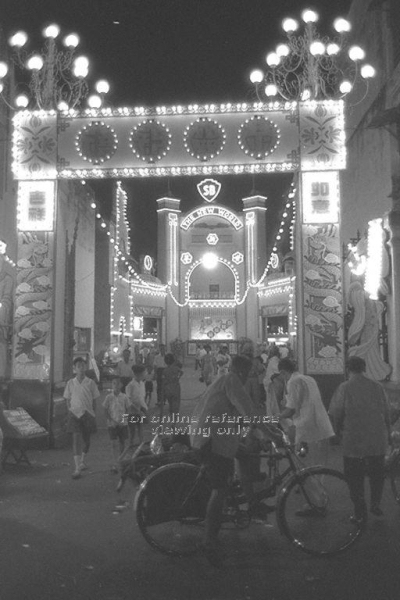
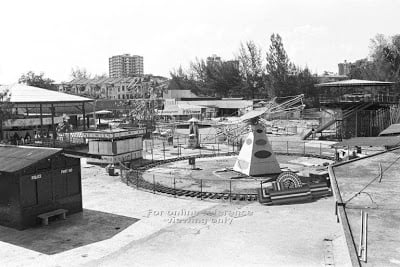
What: The first of three amusement parks, New World Amusement Park entertained night crowds along with Great World and Gay World. With exciting lineups such as a striptease, boxing matches, opera shows and cabaret girls, it was hardly surprising that the amusement park saw crowds ranging from labourers to Europeans. Under Shaw Organisation’s management, New World thrived for the next 40 years from 1923 until the 1960s when it faced competition from discos, shopping centres and television. New World finally closed for good in April 1987.
If you miss this, you might also like: Red light district at Geylang/ Getais?
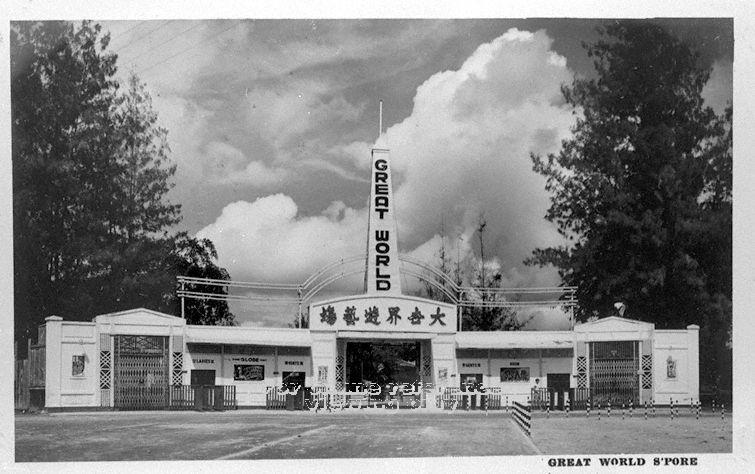
What: The second amusement Park after New World, it was built in 1929 and known to locals as “Tua Seh Kai” in Hokkien. The site was initially a Chinese cemetery, but after redevelopment, the park has attractions such as a nightclub called Flamingo, a famous Cantonese restaurant called Wing Choon Yuen (now known as Spring Court), fun fair with rides like Ghost Train and four cinemas run by Shaw Brothers.
If you miss this, you might also like: No alternatives available. Reminisce with Kelvin Tong’s 2010 film, It’s A Great, Great World, based on the park’s history.
What: Established in 1936 by George Lee Geok Eng, philanthropist Lee Kong Chian’s brother, the $350,000 park was previously known as Happy World, the third amusement park in Singapore. It provided an East-meet-West kind of nightlife entertainment, with ronggeng (a traditional Javanese dance), movies, arcades, gaming, cultural shows, wayang, cabaret performances, and trade shows – a must-visit for couples in the 50s to 70s. Free admission failed to lure visitors in 1987, as the park headed for its gradual demise. In 2000, Eng Wah discontinued the park’s lease. It was eventually demolished together with Geylang Indoor Stadium in 2001.
If you miss this, you might also like: Tough luck!
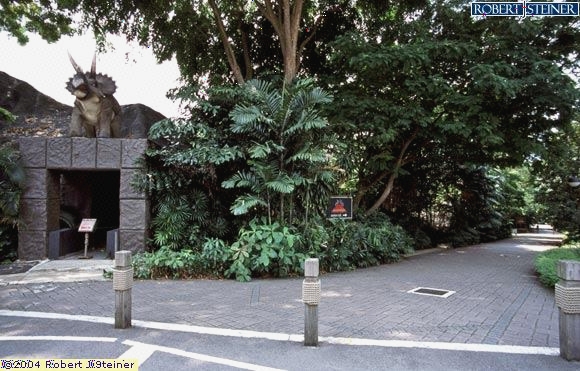
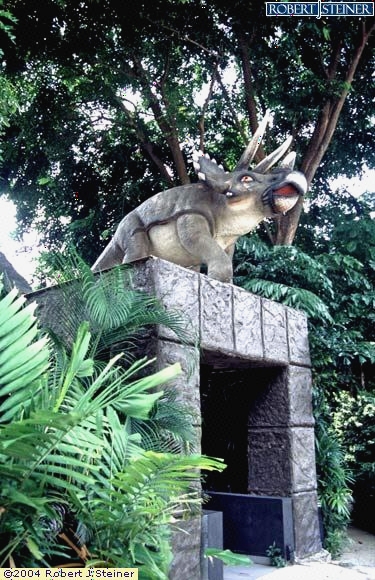
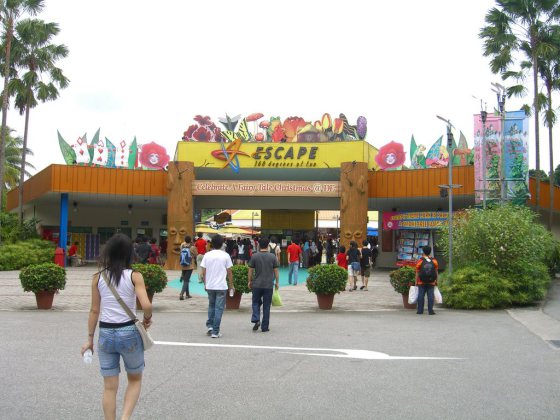
What: The amusement park of yesteryear, Escape Theme Park is an outdoor theme park opened in May 2000. In November 2011, the theme park ceased operations to facilitate redevelopment such as the expansion of Wild Wild Wet, a water park adjacent to it.
If you miss this, you might also like: Universal Studios Singapore
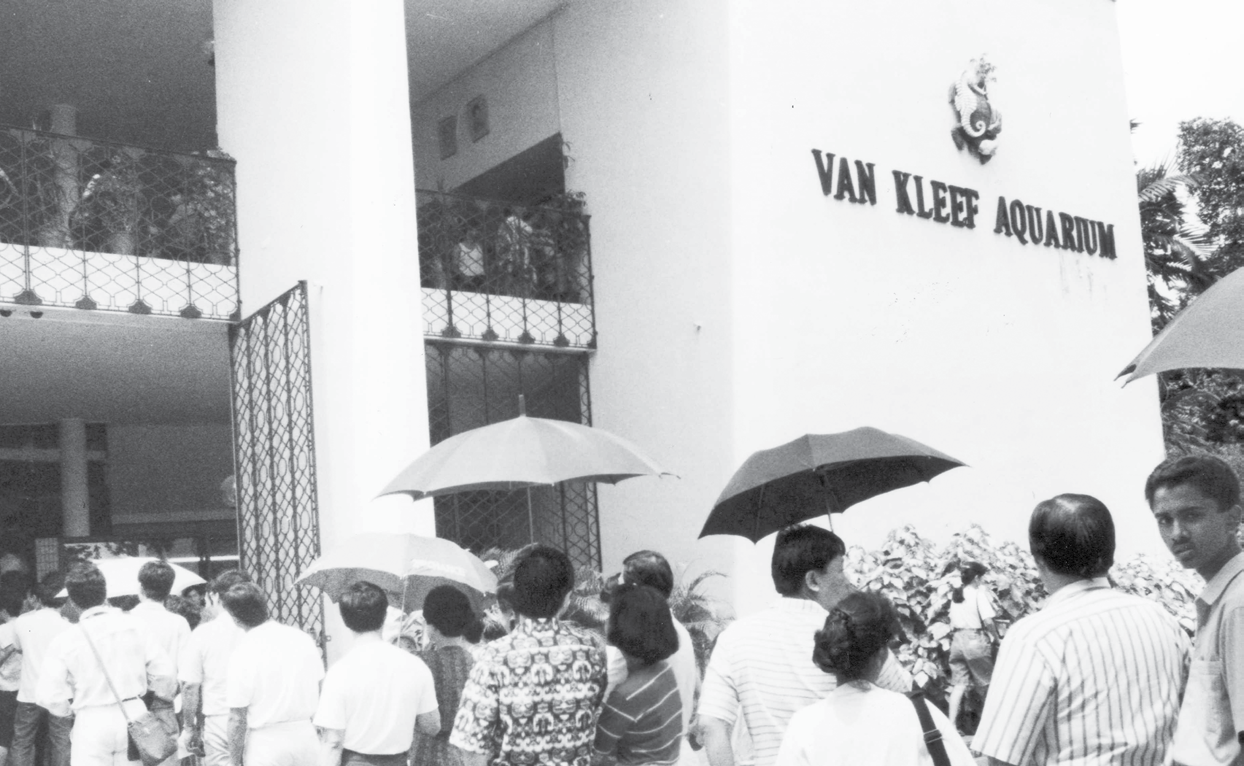
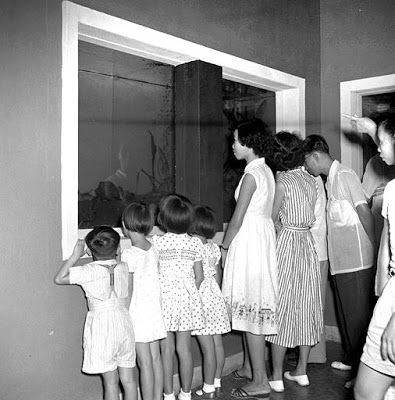
What: In September 1955, a fully-conditioned oceanarium named after Karl Willem Benjamin Van Kleef, a Dutch who resided in Singapore from the 19th to early 20th century, opened its doors. Van Kleef bequeathed his entire fortune to the Singaporean government after his death, for the “embellishment of the town”. The oceanarium housed 6,500 marine creatures of 180 different species. When Underwater World opened in 1991, most visitors went there instead. The Van Kleef Aquarium subsequently closed in 1991, with the building being torn down in 1996.
If you miss this, you might also like: S.E.A Aquarium
Where: On a now-demolished Imbiah Lookout entertainment zone portion on the island
What: The locals also know it as the Musical Fountain, or the Magical Fountain of Sentosa. After 25 years, the Musical Fountain ceased operations on 26 March 2007 and was demolished in the same year. The area could fit more than 5,000 people and five different shows were hosted throughout the years it was in operation. The well-known Magical Sentosa show ran during the fountain’s last five years of operation.
If you miss this, you might also like: The Light & Water Show at Marina Bay Sands
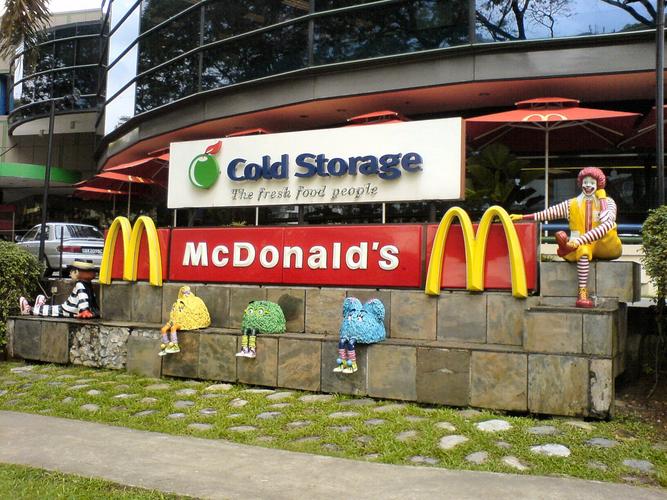
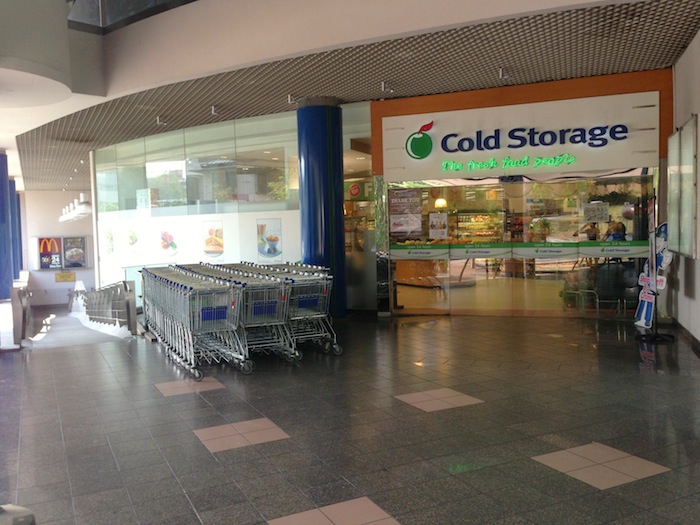
What: Affectionately known as KAP to residents and students who frequented the place, this 5,534.8 square meter space was pulled down for residential and commercial redevelopment after Oxley Holdings’ $150 million acquisition. The McDonald’s corporate headquarters was housed in KAP, along with one of Singapore’s largest McDonald’s, Cold Storage, Spinelli, Island Creamery and Cinta Mania. Since its opening in 1991, King Albert Park ceased operations on 16 March 2014.
If you miss this, you might also like: Bukit Timah Plaza, which is just a stone’s throw away. Same quaint concept, not quite the same awesomeness though.
What: After more than 30 years of service, the iconic East Coast Park McDonald’s closed its doors on 18 March 2012. Its landlord, the National Parks Board had plans for redevelopment in the area and this McDonald’s outlet is intended to be moved to a location 1.5km away, to East Coast Seafood Centre.
If you miss this, you might also like: Kallang McDonald’s
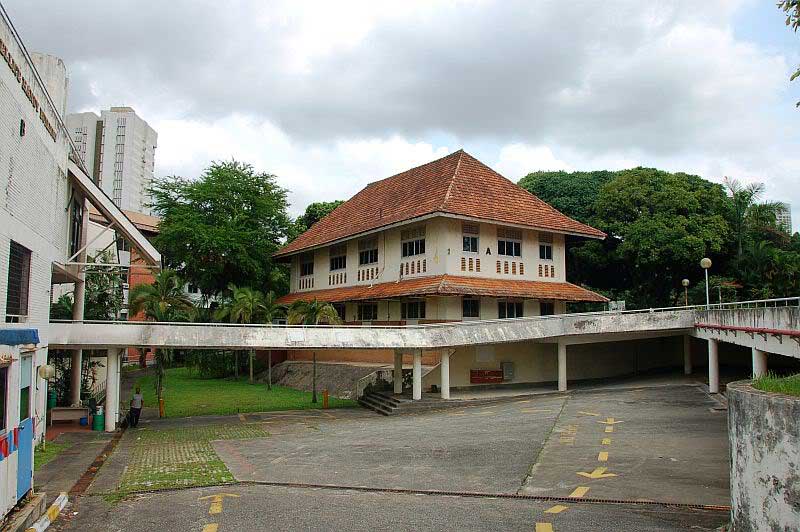
12. Former Methodist Girls School (MGS) at Sophia Hill
What: Founded on 15 August 1887, Miss Sophia Blackmore’s mission was to provide girls an education. Its humble beginnings saw nine girls whose fathers wanted them to be educated in a period where girls were not encouraged to go to school. Their fathers, who were all Tamil businessmen, donated money and furniture, and helped convert the rent-free shophouse into Tamil Girls’ School, the predecessor of MGS. In 1992, the overwhelming number of students resulted in the school’s shift to Blackmore Drive.
If you miss this, you might also like: The current MGS, along Blackmore Drive
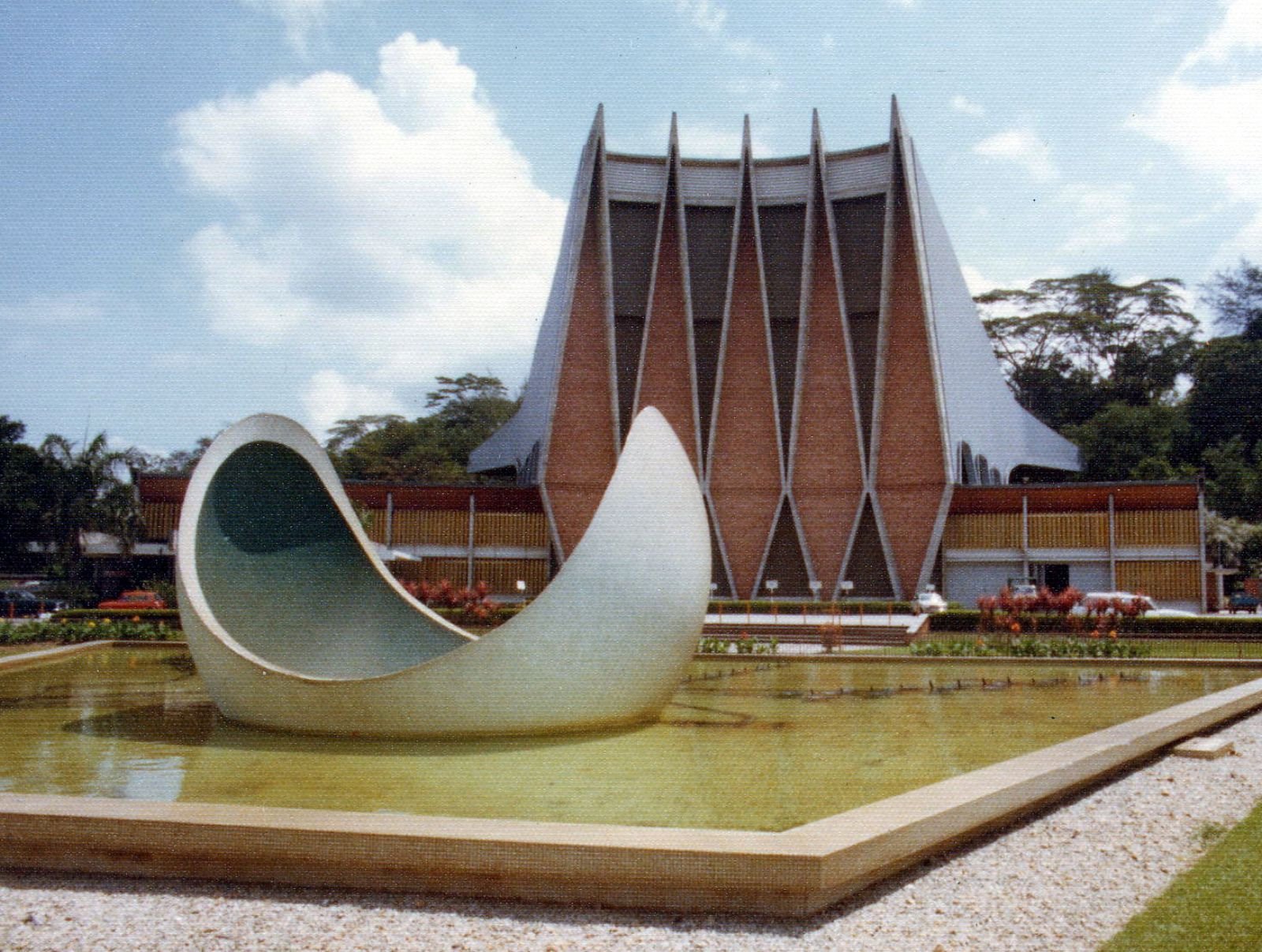
Where: At the corner of Clemenceau Avenue and River Valley Road
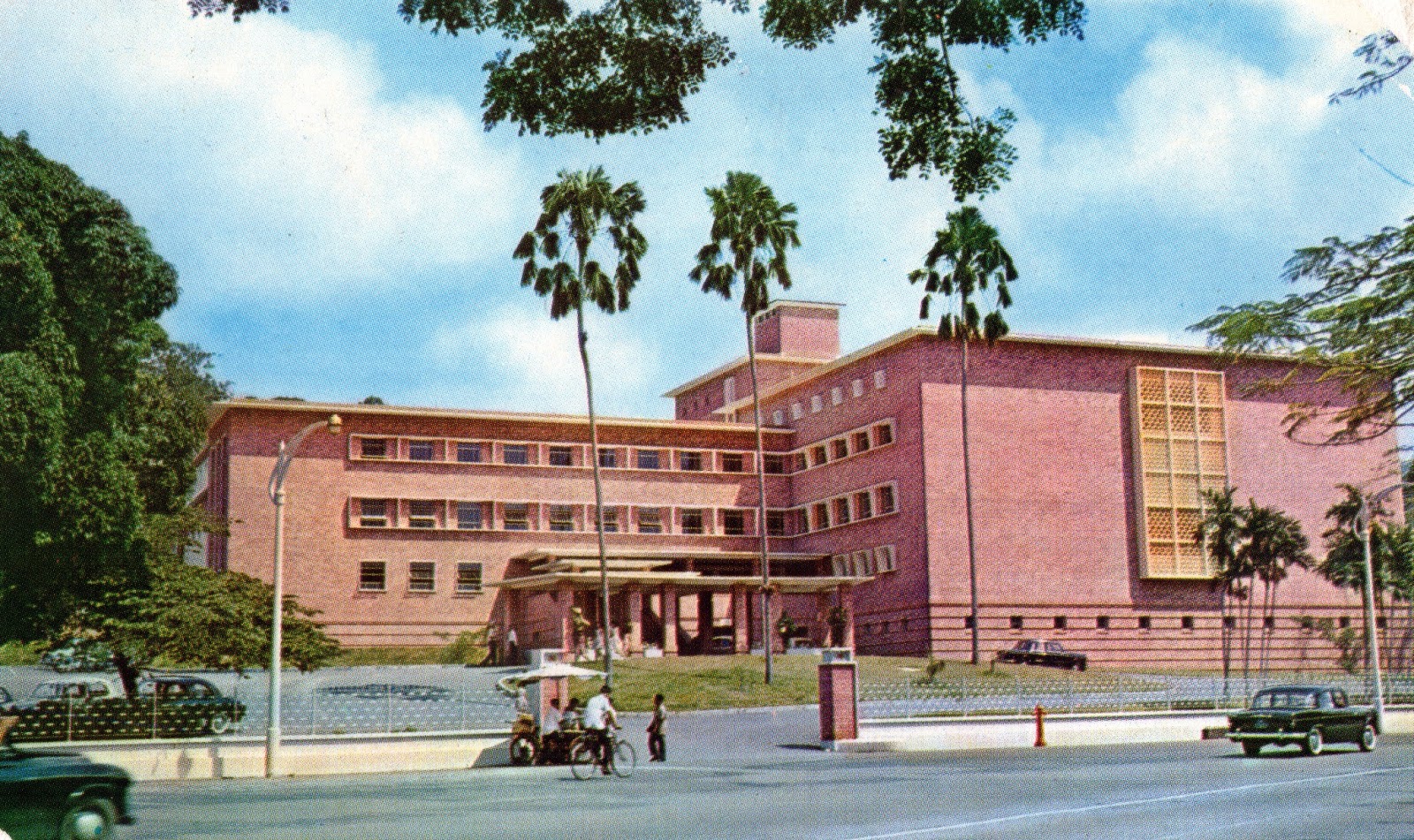
What: To commemorate Singapore’s self-governing achievement in 1959, the National Theatre was erected as a public theatre for concerts, performances and conferences. It was selected as the venue for the first Southeast Asian Cultural Festival in 1963’s opening premiere, despite being only partially completed. In 1984, the theatre was declared structurally unsafe and closed. It was torn down in 1986 for the construction of an expressway.
If you miss this, you might also like: The Esplanade
What: A historical building, the Old National Library Building was completed in 1960. On 31 March 2004, the library was closed despite public dissent, and eventually demolished for the construction of Fort Canning Tunnel to ease traffic to the city. This move resulted in a greater awareness of Singapore’s cultural roots and gained greater public favour of heritage conservation.
If you miss this, you might also like: National Library at Victoria Street
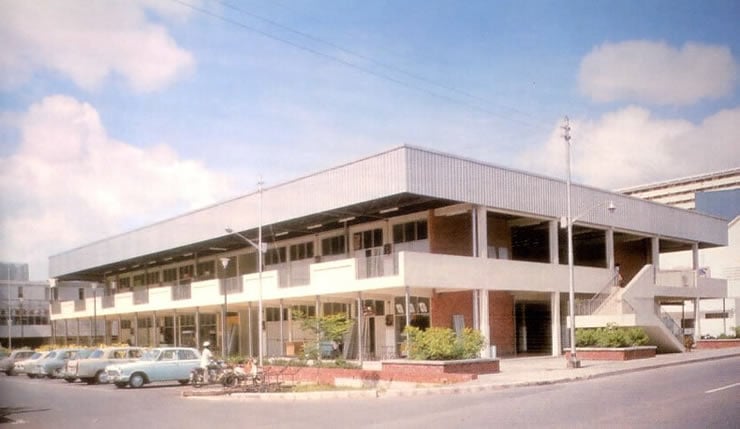
What: A two-storey food centre built in 1969, it housed at least 80 stalls. With delectable local delights like Hainanese chicken rice, Teochew fishball noodle, popiah and char kway teow, Commonwealth Avenue Food Centre was always crowded during lunch hours.
If you miss this, you might also like: Chinatown Food Centre
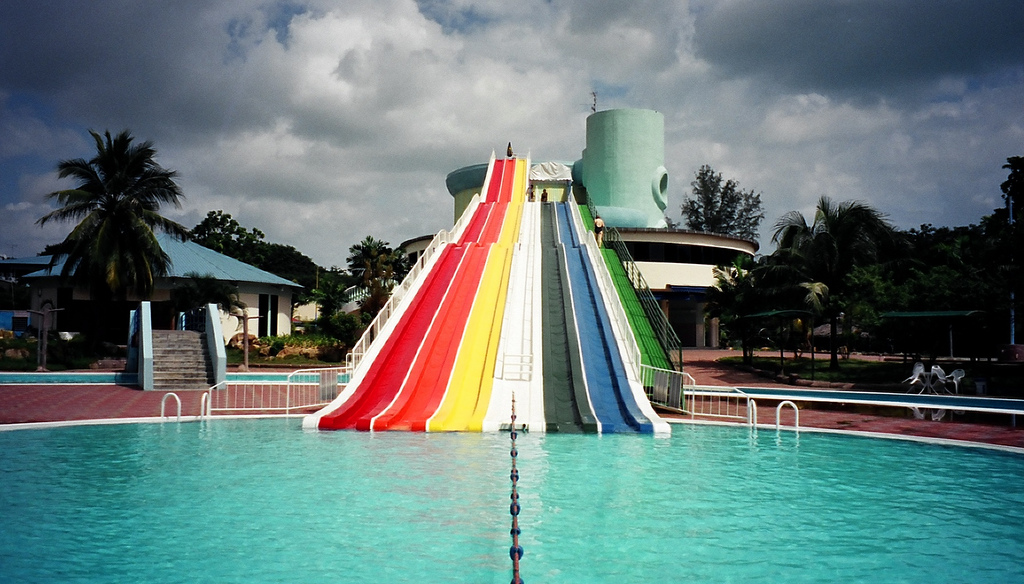
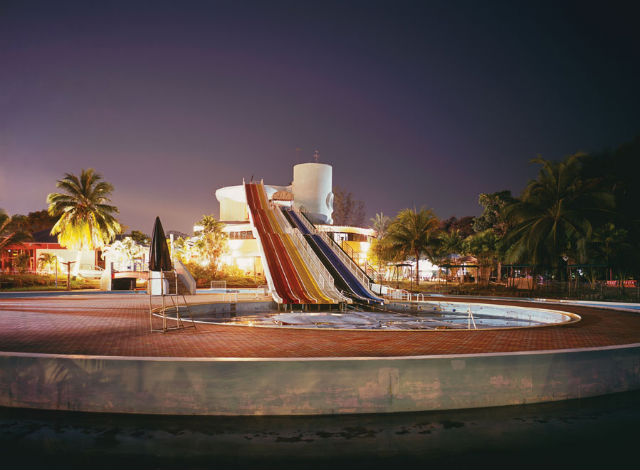
What: A former waterpark that saw a major facelift – now named Playground at Big Splash, a dining and recreation area. Build in 1977, the main attraction of Big Splash waterpark was the 85-metre long water slide, dubbed the world’s highest, longest slide. Its initial popularity declined and it closed in 2006 for redevelopment. The slides were pulled down when Big Splash reopened in March 2008.
If you miss this, you might also like: Sengkang Swimming Complex
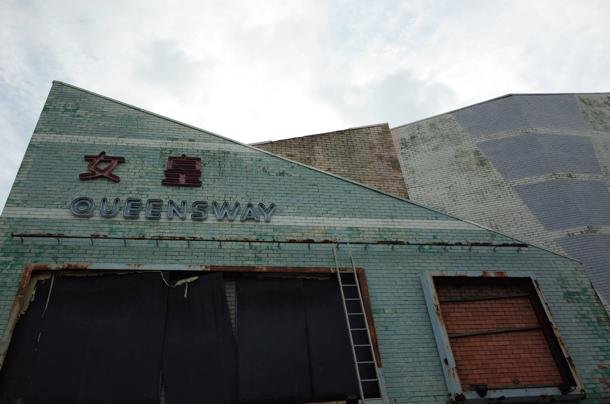
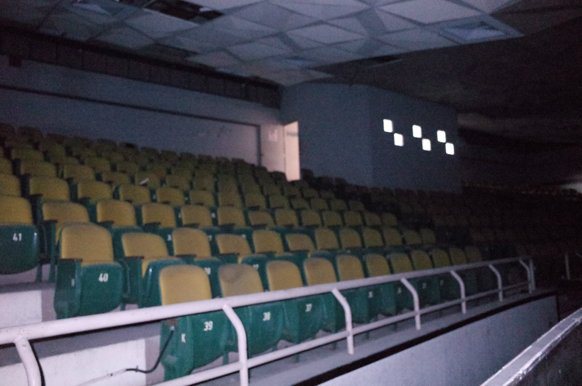
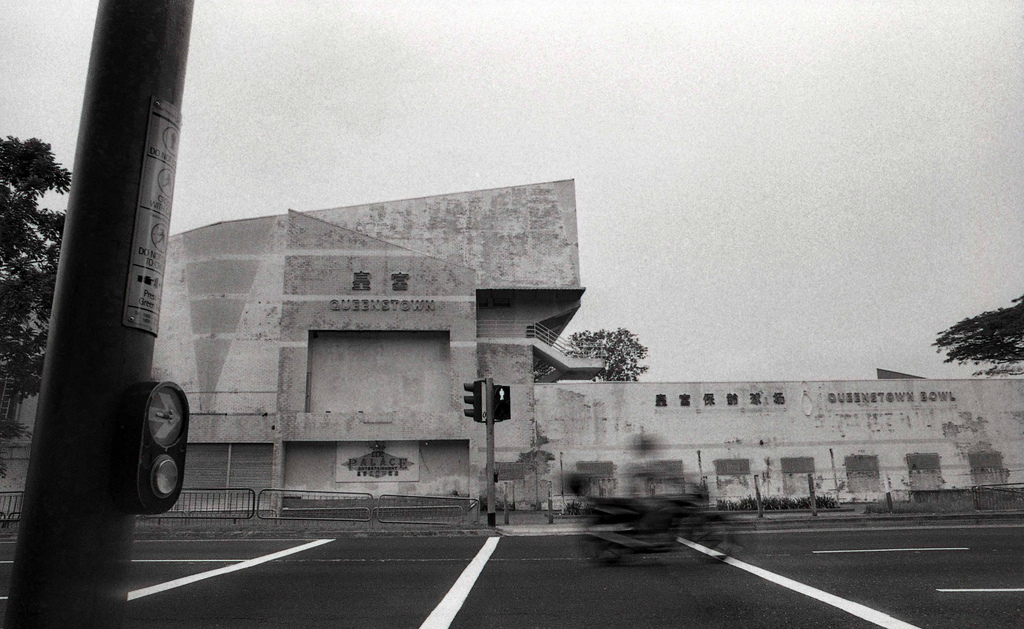
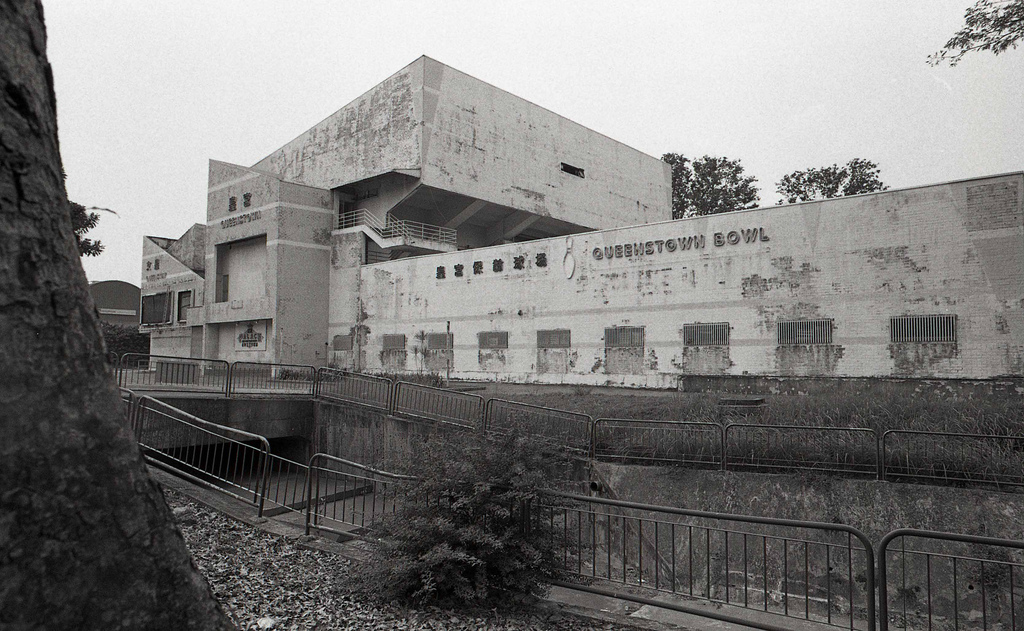
Where: Opposite Queenstown MRT Station, Queensway Centre
What: The 1,715-seater cinema was built in 1977 and became a popular hangout for students and residents. The cinema had two movie halls and two screens, a spectacular feat for its time. Its heyday saw meandering queues outside the box office on weekend nights, with tickets costing around S$6. In 1999, the cinemas ceased operations.
If you miss this, you might also like: Take your pick from the myriad of cinemas sprawled across the island. But in case you can’t make up your mind, we recommend City Square Mall’s Golden Village. Did you know they have an auditorium with a unique 42-seater ‘Couple’s Cinema’?
What: An 18-lane bowling alley that opened in 1976. After Queenstown/ Queensway cinemas ceased operations, the bowling alley lingered on for a few more years before it was gone for good in 2000.
If you miss this, you might also like: Superbowl Marina Square
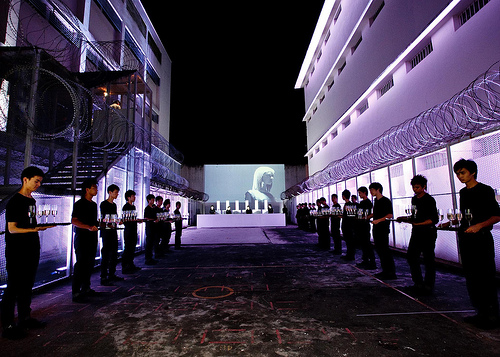
What: Queenstown Remand Prison was officially opened on 23 September 1966 to curb overcrowding at Outram Prison. Famous inmates include author of Singapore, My Home Too, Chee Soon Juan and American teenager Michael Fay.
In 2010, just before Queenstown Remand Prison was slated to be torn down, Calvin Klein spent a night in the Remand Prison to showcase its Spring 2010 collection and invited celebrities like Ethan Ruan, Cynthia Koh, and Allan Wu, amongst many others.
If you miss this, you might also like: Changi Prison (just don’t get locked up for good)
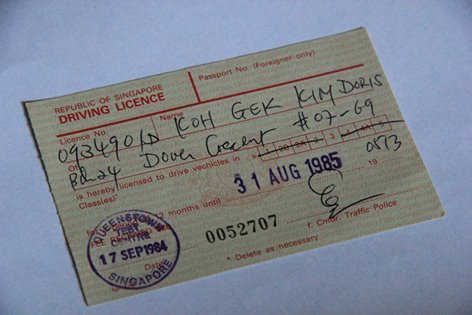
This was how a Provisional Driving License (PDL) at Queenstown Driving Centre looked like:
Where: Between Commonwealth Avenue and Dundee Road
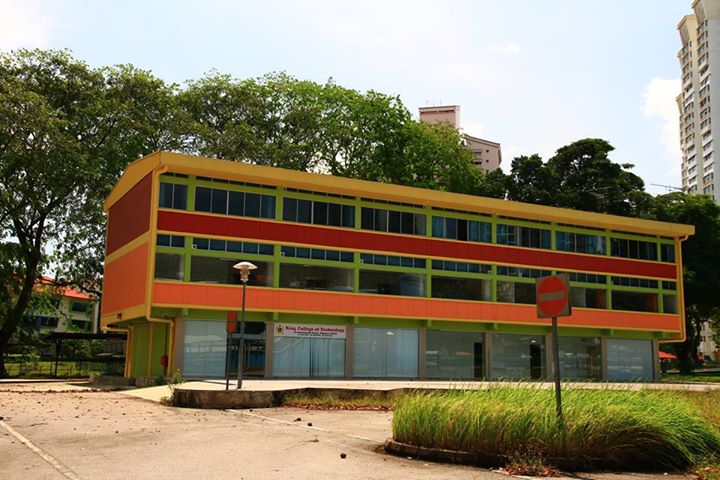
What: The latest on the list to be demolished, the public was invited to Queenstown Driving Centre on 13 December 2014 for the last time to bid farewell. Singapore’s second driving test centre, the Queenstown Driving Test Centre was built in 1968, costing $285,000. The centre was about the size of two football fields of 10,500 square meter. Up to 300 Highway Code and driving tests were conducted a day, with 14 driving instructors. Interestingly, a contrast from today’s computerised theory tests, candidates had to ‘drive’ a miniature toy car modelled with pedestrian crossings and traffic lights.
If you miss this, you might also like: ComfortDelGro Driving Centre, Bukit Batok Driving Centre, Singapore Safety Driving Centre (although there’s nothing to see unless you enjoy car-watching)
How many places on this list have you visited and which are the ones you miss most?