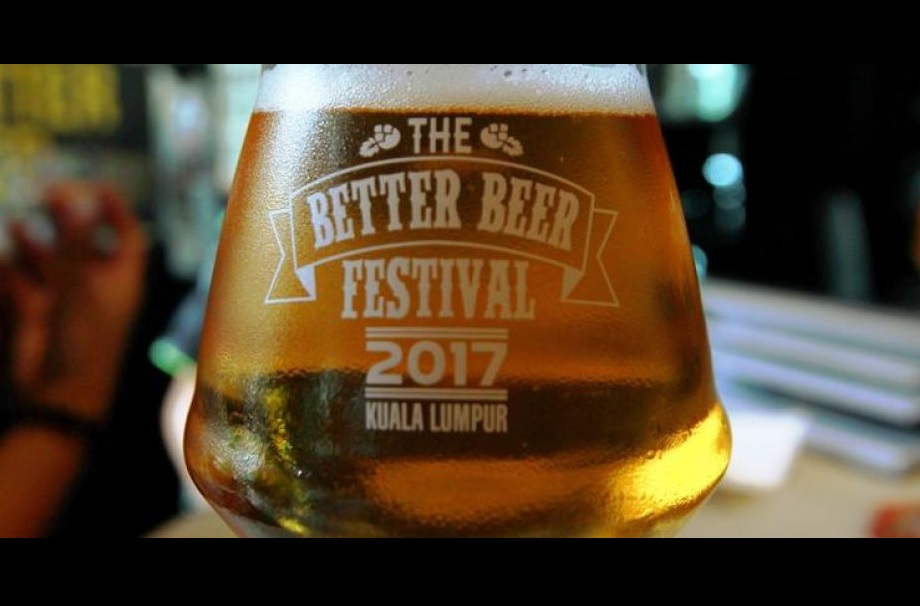
[RESPON KEPADA ‘BETTER BEER FESTIVAL’: Dari Perspektif Agama Di Malaysia]
Sebelum ini kami sudah mengulas mengenai isu arak di dalam pandangan agama-agama dunia, dan kami berpandangan mengikut konteks Malaysia isu arak tidak relevan jika ia diurus di dalam skop kebebasan beragama. Ini kerana majoriti penganut agama di Malaysia adalah Muslim, Buddhis, Hindu, Kristian, dan Sikh yang mana adalah jelas di dalam kitab ajaran agama ini semua mengharamkan arak.
Di Malaysia masyarakat cina bukan Islam adalah golongan yang mendominasi di dalam mengkonsumsi arak. Tidak hairan kerana minuman ini juga dilihat mula berkembang di China. Merujuk jurnal National Geographic: The Birth of Booze, bukti penciptaan arak terawal ditemui di Jiahu, China. Antara bahan yang digunakan adalah jagung, barli, beras, gandum, anggur, tebu dan lain-lain lagi. Ketika itu China masih mengamalkan kepercayaan shamanisme dan agama tradisi nenek moyang. Ia berlaku jauh sebelum lahirnya agama Buddha di India, dan agama Taoisme serta Konfusianisme di China.[1]
Larangan Arak Dalam Agama Buddha
Di dalam Pancasila (lima sila) ajaran Buddha, sila terakhir menyatakan perlu menghindari minuman yang memabukkan. Sebutan di dalam bahasa Pali
“Suramerayamajja pamadatthana veramani sikkhapadam samadiyami” yang bermaksud menahan diri daripada meminum minuman memabukkan. Dan dari ayat ini terdapat banyak pandangan dari kalangan ilmuan Buddha dalam menghurai larangan ini. [2]
Malah ilmuan Buddhis sendiri seperti Master Hsing Yun dalam bukunya The Five Precepts menyatakan sekiranya seseorang itu mengambil sedikit sahaja minuman keras tetap juga dilarang. Begitu juga dengan ilmuan yang lain:
“The Vibhanga states that even as little as a drop the size of a dewdrop on the tip of a balde of grass is enough to constitute a violation. So, having even small glass of wine, even if it does not make one drunk, is a transgression.”[3]
“It it known that intoxicants even in small amounts can make one less sensitive, heedless and easily swayed by the defilements. As one starts to enjoy getting high on intoxicants, the effect becomes addictive and usage increases.”[4]
Larangan Arak Dalam Agama Kristian
Di dalam Perjanjian Lama terdapat banyak ayat mengenai larangan meminum arak:
a) Imamat 10:9,
b) Bilangan 6:3,
c) Ulangan 29:6,
d) Hakim-Hakim 13: 4,
e) 1 Samuel 1: 15,
f) Amsal 20: 1, 31: 4-6,
g) Yesaya 5: 11, 22: 24: 9, 28: 9,
h) Mikha 2: 11
Manakala larangan-larangan dalam perjanjian baru dalam Injil Lukas 1: 15 dan Efesus 5: 18.
Larangan Arak Dalam Agama Hindu
Ayat yang melarang meminum arak dalam kitab suci Hindu:
a) Rigveda buku 8 hymn 2 ayat 12 ,
b) Rigveda Buku 8 hymn 21 ayat 14,
c) Athravaveda 6: 70: 1,
d) kitab Manusmriti 7: 47-50,
e) Manusmriti: 11: 55,
f) Manusmriti 11: 91.
g) Malah di dalam Kitab Manusmriti juga melarang menjual arak dalam Manusmriti 9: 225.
Di dalam Hindu dibezakan diantara minuman Soma dan juga Sura. Soma ialah minuman yang digunakan untuk ritual keagamaan (zaman Vedik) dan dikatakan ia sejenis minuman memabukkan yang banyak kali disebut di dalam Veda (Rig Veda:1:116:7, 8:2:12, 10:131:4-5) tetapi resepi air ini sudah pupus dan tidak dapat dibuat sekarang. Ada yang mengatakan ia dibuat dari susu dan ada dikatakan ia dibuat dari sebuah pohon yang menjalar di gunung.[5]
Manakala Sura pula adalah minuman beralkohol sepertimana arak-arak yang sedia ada pada hari ini.[6] Menurut Madhavi Bhaskar Kokhatkar di dalam jurnalnya Review: Surā, The Liquor And The Vedic Sacrifice mengatakan minuman Sura atau arak ini dilarang di dalam agama Hindu.[7]
Walaupun Veda membenarkan meminum Soma, pada masa yang sama ia juga melarang meminum minuman yang beralkohol (Sura):
“Minda yang lemah orang yang mengambil daging, minuman keras, dadu di papan judi, lelaki yang ghairah (ni-han) pada seorang perempuan- begitu juga biarkan pikiranmu, wahai yang tak terhindar (aghnya) kuatkanlah anakmu.” (Athravaveda: 6: 70: 1)
Ini menunjukkan bahawa meminum minuman keras adalah dilarang malah di dalam kitab Manusmriti terdapat banyak larangan mengenai larangan meminum Sura:
“Killing a Brahmana, drinking (the spirituous liquor called) Sura, stealing (the gold of a Brahmana), adultery with a Guru’s wife, and associating with such (fenders), they declare (to be) mortal sins (mahapataka).” (Manusmriti: 11: 55)
“A twice-born man who has (intentionally) drunk, through delusion of mind, (the spirituous liquor called) Sura shall drink that liquor boiling hot; when his body has been completely scalded by that, he is freed from his guilt.” (Manusmriti 11: 91)
Malah tidak menjadi isu apabila ketua Menteri negeri Bihar, Nitish Kumar mengharamkan arak di negeri majoriti Hindu itu pada awal April 2016.
Larangan Arak Dalam Agama Sikh
Dalam kitab agama Sikh Guru Granth Sahib Ji himpunan Guru Gobing Singh terdapat larangan meminum arak menurunkan kecerdasan dan merosakkan fikiran:
ਜਿਤੁ ਪੀਤੈ ਮਤਿ ਦੂਰਿ ਹੋਇ ਬਰਲੁ ਪਵੈ ਵਿਚਿ ਆਇ ॥
“Drinking the wine, his intelligence departs, and madness enters his mind” (Sri Guru Granth Sahib: hlm 554)
Di dalam agama Sikh juga terdapat 5 larangan asas antaranya:
1) Tidak boleh potong rambut
2) Tidak boleh berkelakuan buruk
3) Tidak boleh merokok
4) Tidak boleh memakan daging yang disembelih
5) Tidak boleh minum arak
Larangan Arak Dalam Agama Islam
Di dalam Islam, jika mahu dibandingkan bilangan dalil larangan minuman keras berbanding agama lain, tidaklah sebanyak terdapat di dalam Bible dan juga kitab-kitab Hindu. Akan tetapi oleh disebabkan muslim itu bermaksud seseorang yang tunduk patuh kepada arahan Allah maka kuantiti bilangan larangan itu bukan perkara utama kerana apa yang utama adalah mereka mengikut segala aturan yang disebutkan di dalam kitab suci. Sebab itu dilihat orang Islam lebih sensetif terhadap larangan ini. Di dalam al Quran terdapat beberapa ayat yang menyebut mengenai larangan arak:
a) Surah al-Ma’idah: 90,
b) b) Surah Al-Baqarah: 219,
c) c) Surah an-Nahl: 97
Amalan Agama Menggunakan Arak
Adapun sebahagian agama animisme dan agama penyembah roh, kebiasaannya mereka akan menggunakan arak sebagai ritual keagamaan mereka. Hal ini boleh dilihat sebahagian besar Cult di Afrika dan masyarakat Afrika Amerika yang menggunakan arak di dalam amalan mereka seperti ajaran Candomble, Kumina, Voodoo, Umbanda, Quimbanda, Santeria dan lain-lain.
Disamping itu juga, terdapat juga ajaran Kristian khususnya yang turut menggunakan arak di dalam ritual mereka. Sebab itu apabila dilihat sebahagian Kristian seperti Black Christ turut menggunakan arak disebabkan sinkretisme amalan masyarakat (animisme) mereka dengan ajaran Kristian yang disampaikan oleh pendakyah Kristian sehingga wujudnya pengambilan arak di dalam agama. Akan tetapi di Malaysia, perkara ini tidak ada dan tidak berlaku. Maka ia tidak boleh menjadi hujah kepada ia adalah anjuran ritual agama.
Kesimpulan
Jika dibandingkan antara kebaikan dan keburukkan dari kesan meminum arak nescaya senarai keburukkannya terlalu banyak untuk disenaraikan. Malah dengan pengambilan arak juga manusia boleh terjebak dengan jenayah yang lain-lain kerana akal mereka sudah tidak stabil lagi. Sebab itu terdapat akta mengenai kesalahan memandu dengan pengaruh alkohol di seluruh dunia. Malah jika difikir secara logik, sekiranya seorang individu yang mabuk boleh memberi kesan yang mudharat kepada orang awam apatah lagi sekiranya perkara itu dilakukan secara besar-besaran, pasti impak dan kesan dari orang yang mabuk itu memberi kesan yang lebih teruk kepada orang awam.
Demikian itu, isu ini tidak relevan hanya dibincangkan di bawah rangka kebebasan beragama kerana tidak ada agama di Malaysia yang ‘membebaskan’ meminum arak. Kedua, isu ini perlu juga dibincang dibawah kesan dan mudharat yang bakal menimpa dari pesta orang ramai yang mabuk boleh memberi impak yang buruk kepada masyarakat. Ketiga, program sebegini tidak menguntungkan masyarakat dan negara malah membawa kepada kerosakkan moral, fizikal dan juga mental masyarakat.
Oleh itu masyarakat masyarakat muslim, buddhis, kristian, hindu, dan sikh yang benar-benar mengikut ajaran agama perlulah bersatu untuk menjauhi bahana arak yang jelas memberi kesan buruk kepada masyarakat. Nilailah isu ini dari sudut yang luas dan bukan sahaja hanya fikir untuk keseronokkan dan keuntungan penjualan arak sahaja.
Seorang manusia yang waras dan rasional sudah pasti akan menjauhi arak. Sebuah kisah sebagai penutup yang diceritakan oleh ilmuan Buddhis Master Hsing Yun dalam bukunya The Five Precepts:
“There once was a man who wanted to “just have a little drink,” but he did not have a dish of food to go with it. Seeing that his next-door neighbour was raising an old hen that was cackling away, he stole the hen and killed it to make a dish to eat while he drank his liquor. Thus he had broken the precepts against killing and stealing in one fell swoop. When the lady of the house next door came home and asked about her hen, the man told her that he had not seen it, thereby breaking the precept against lying. By now the man was a bit drunk, and seeing how beautiful the woman was, he started flirting with her and touching her in an indecent manner.”
“Consequently, he also broke the precept against sexual misconduct. It was because of consuming intoxicants that all five precepts were broken in one stroke.”
Dengan hanya bermula sedikit ia boleh menyebabkan manusia melanggar semua hukum hakam dan ia diumpamakan ibu segala kejahatan. Sesuai dengan sebuah hadis mengatakan: الخمر أم الخبائث “Arak itu ibu segala kejahatan” (Silsalat al-Hadith as-Sahiha no: 1854).
Nota akhir:
[1] Lihat – (February 2017) Journal National Geographic: The Birth Of Booze Our 9000 year Love Affair With Alcohol, vol 231 no 2, hlm 48-49
[2] Lihat Aggacita Bhikkhu (2010). The Importance of Being Morally Virtuous, Sasanarakkha Buddhist Sanctuary, Taiping, hlm 65-71 / Lihat Bikhu Dhammavuddho Mahathera, (2011). Pesanan Buddha, Sangha Foundation, Perak hlm 4 / Lihat – (2014). Buddha & Me: For Biginners, Ti-Ratana Buddhist Society, Kuala Lumpur, hlm 41 / Dr. K. Dhammananda, (2002). What Buddhists Believe, Buddhist Missionary Society Malaysia, Kuala Lumpur, hlm 210-211.
[3] Lihat Veberable Fa Xun (2011). One Life Five Precepts, Shi Faxun, hlm 73
[4] Lihat Chan Khoon San (2002). Introductory Course in Buddhism, Selangor Buddhist Association, Kuala Lumpur, hlm 89
[5] Lihat Mark Cartwright (2016). Ancient History Encyclopedia: Soma – http://www.ancient.eu/Soma/
[6] https://beerinindia.wordpress.com/tag/sura/
[7] Madhavi Bhaskar Kokhatkar (1999). Surā, The Liquor And The Vedic Sacrifice, D.K Printworld, India, hlm 140
R&D Team MRM
Source: Firdaus Wong Wai Hung (Official)


 Yet another friend chimed in and said that CNA did mention ‘Deepavali’ as well as ‘Diwali’ and so it is ok. He said that if an organisation totally replaces ‘Deepavali’ with ‘Diwali’ it would be wrong and that Jurong Point Shopping Centre has done precisely that.