Japan’s crown prince has warned of the need to remember World War II “correctly”, in a rare foray into an ideological debate as nationalist politicians seek to downplay the country’s historic crimes.
In an unusual intervention in the discussion, Naruhito’s mild-mannered broadside was being interpreted in some circles as a rebuke to Prime Minister Shinzo Abe, a key figure in the right-wing drive to minimise the institutionalised system of wartime sex slavery.
“Today when memories of war are set to fade, I reckon it is important to look back our past with modesty and pass down correctly the miserable experience and the historic path Japan took from the generation who know the war to the generation who don’t,” Naruhito said.
The comments, released Monday on the prince’s 55th birthday come as Abe’s controversial views on history roil relations with China and South Korea, and cause unease in Washington.
Abe has openly said he wants a more sympathetic telling of the history of the first half of the 20th century, a period marked by brutal expansionism in Asia and warring with China and the West.
The prime minister last week appointed a 16-member panel to advise him on a statement he is set to make later this year to mark the 70th anniversary of Japan’s surrender.
Abe has said he will largely stand by Tokyo’s previous apologies, but amid growing anger in China and South Korea over the “comfort women” system, speculation is mounting that he will seek to downplay the issue.
Mainstream historians agree that up to 200,000 women, predominantly from Korea, were forced into sexual slavery during WWII.
Right wing Japanese insist there is no documentary proof that the Japanese state or its military were involved in the system on the Korean peninsula and reject official guilt. That position, which is hardening, angers South Korea and China.
Both countries will be carefully watching any official pronouncement on the war.
While Japan’s newspapers remained staid in their coverage of Naruhito’s comments, social media users leapt on them.
“This definitely contains a warning against Shinzo Abe, doesn’t it?” tweeted @Kirokuro.
“It is a regular recognition (of history), but these comments by the crown prince stand out because Prime Minister Abe’s views on the constitution and history are outrageous,” said @kazu_w50
Asked about his views on war and peace, Naruhito told reporters: “It was very painful that many precious lives were lost, many people suffered and felt deep sorrow in the world including in Japan.”
“It is important that we never forget people who died in the war… (and we must) deepen our appreciation for our past so as not to repeat the horrors of war and to foster a love of peace,” he said.
Old buildings and infrastructure have to be demolished to make way for the new, in the face of rapid urbanisation and development of contemporary Singapore. Here are 20 places in Singapore that no longer exist, some making its disappearance more quietly than the others.
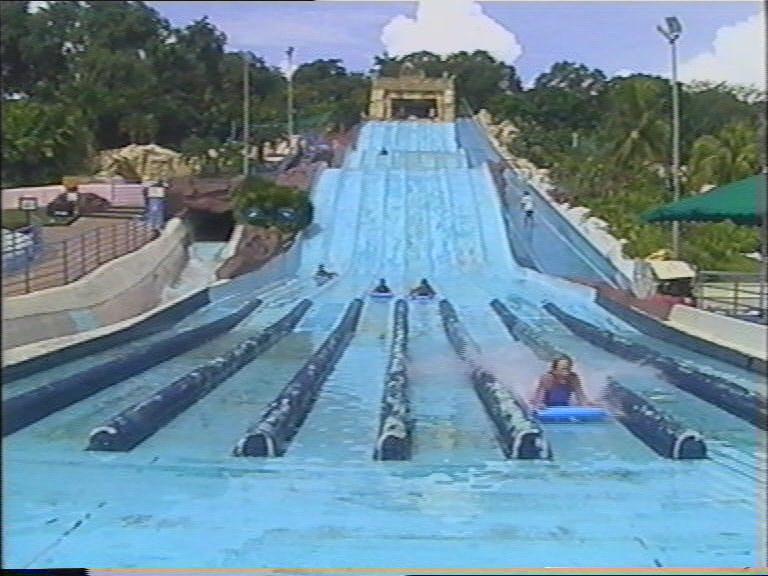
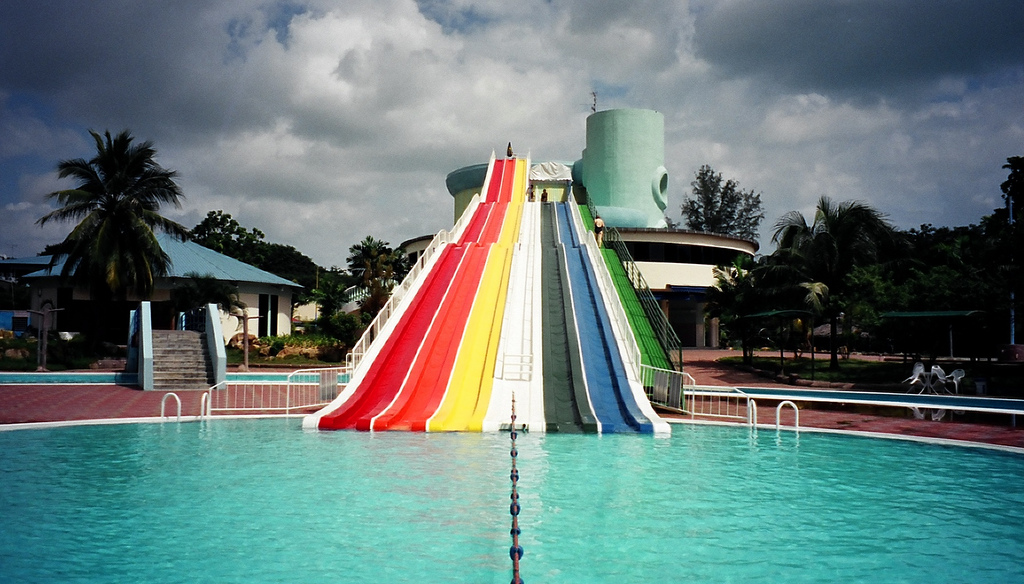
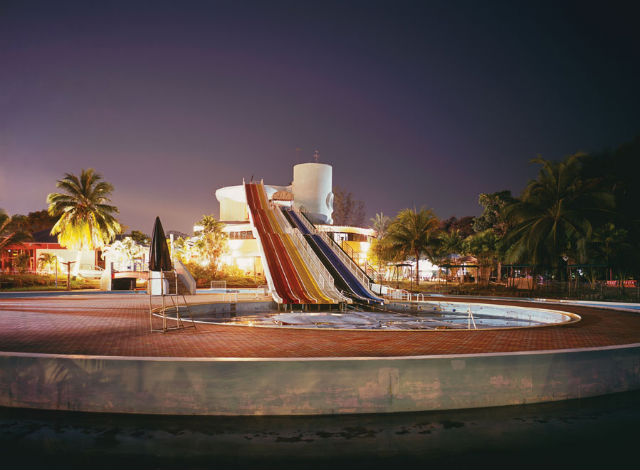
Where: Sentosa, where Universal Studios Singapore sits now
What: An iconic attraction in the 90’s, the $54 million water theme park was opened from December 1994 to 2 November 2002. The water park’s focal point was a huge eight-lane slide with water currents so hasty it could launch riders in mid-air momentarily. The compulsory entrance fee to Sentosa, on top of Fantasy Island’s entrance fee, coupled with inaccessibility due to limited SBS buses going into Sentosa, was a deterrent for many. Its demise was eventually accelerated with numerous media coverage of accidents and 2 deaths at the theme park.
If you miss this, you might also like: Wild Wild Wet
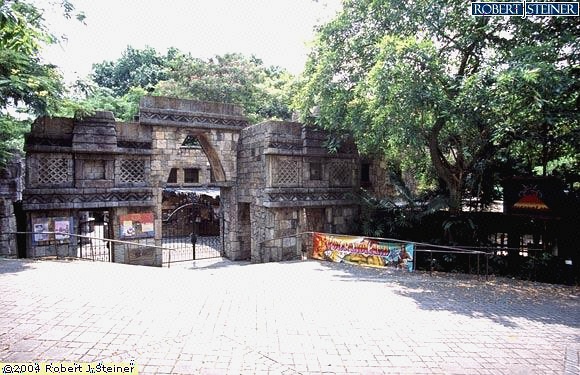
Where: Sentosa, No. 7, Artillery Avenue, before the Integrated Resort appeared
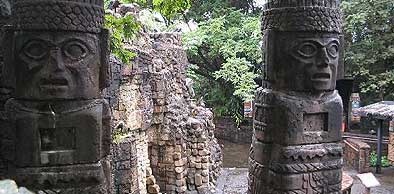
What: While Singapore may not have natural volcanoes, Volcano Land featured an artificial volcano, complete with Mystic Mayan motifs and scenery. A mythological explorer and his robot join visitors on their journey, which first starts with an ancient excavation. At the end, the Volcano Land show finishes off with a ‘volcanic eruption’.
If you miss this, you might also like: Science Centre, maybe?
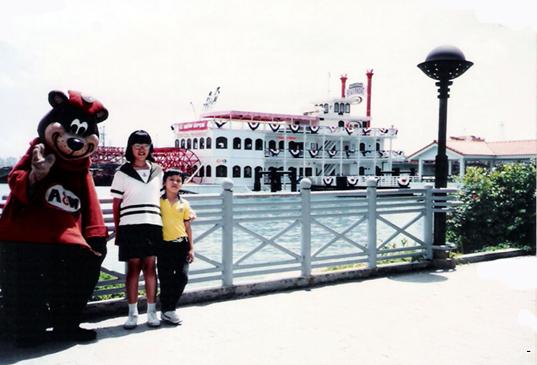
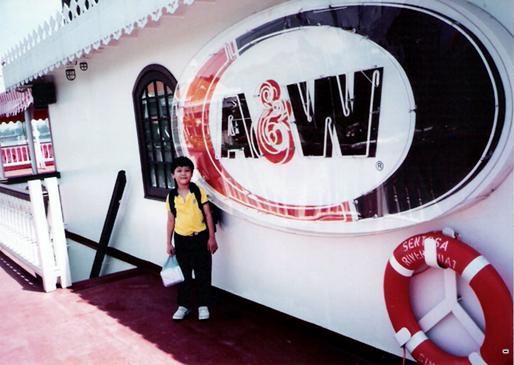
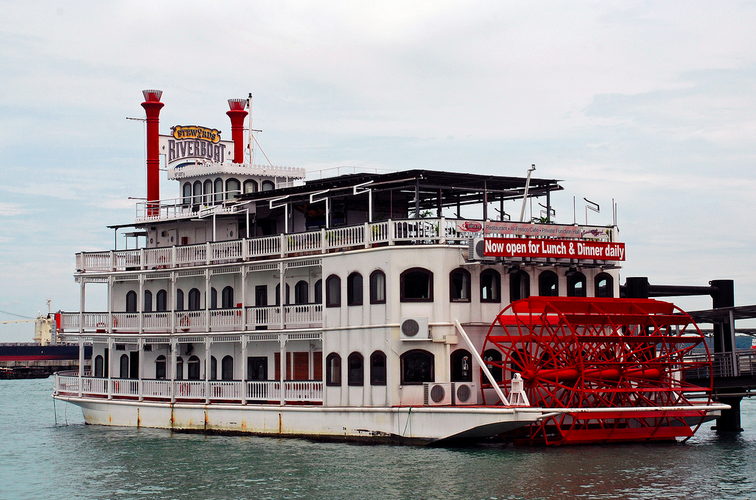
What: Built in 1991, this boat was home to Singapore’s floating A&W restaurant at Sentosa. Sadly, A&W fast food chain can no longer be found on the shores of Singapore. This vessel has since been revamped, now known as Stewords Riverboat and relocated to Marina South Pier, housing Santa Fe Tex-Mex Grill and Breaking Bread.
If you miss this, you might also like: Da bao A&W from Batam and smuggle dine onboard Stewords Riverboat at Marina South Pier
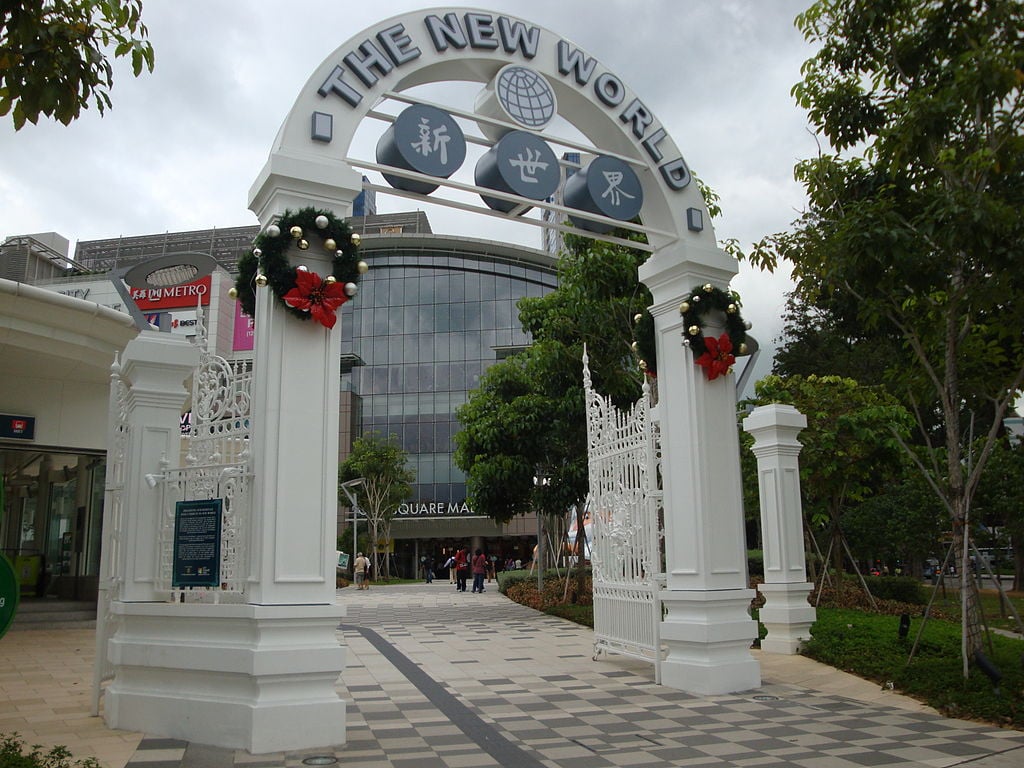
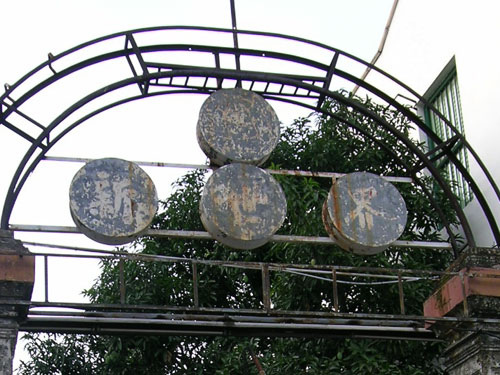
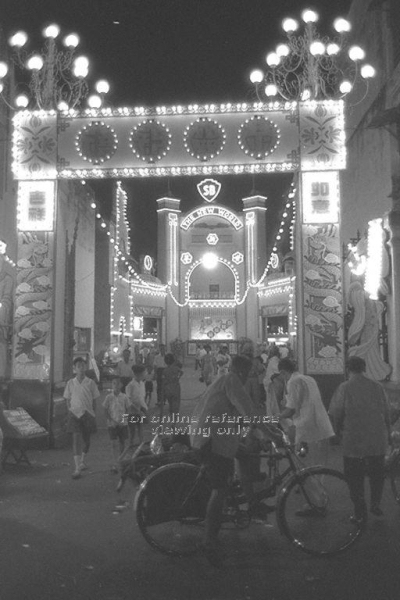
What: The first of three amusement parks, New World Amusement Park entertained night crowds along with Great World and Gay World. With exciting lineups such as a striptease, boxing matches, opera shows and cabaret girls, it was hardly surprising that the amusement park saw crowds ranging from labourers to Europeans. Under Shaw Organisation’s management, New World thrived for the next 40 years from 1923 until the 1960s when it faced competition from discos, shopping centres and television. New World finally closed for good in April 1987.
If you miss this, you might also like: Red light district at Geylang/ Getais?
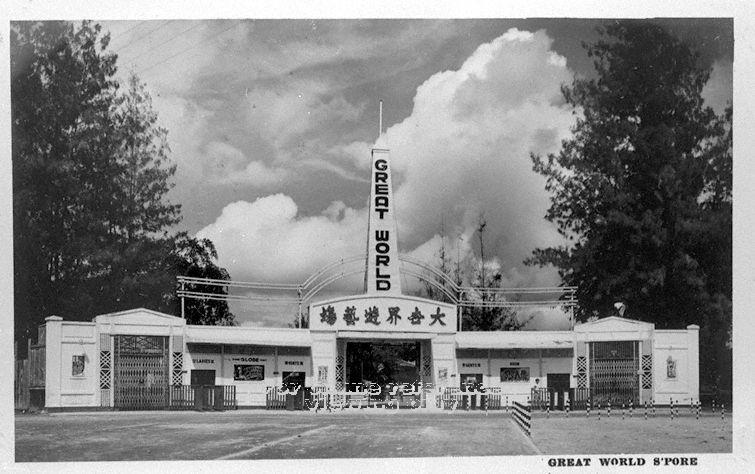
What: The second amusement Park after New World, it was built in 1929 and known to locals as “Tua Seh Kai” in Hokkien. The site was initially a Chinese cemetery, but after redevelopment, the park has attractions such as a nightclub called Flamingo, a famous Cantonese restaurant called Wing Choon Yuen (now known as Spring Court), fun fair with rides like Ghost Train and four cinemas run by Shaw Brothers.
If you miss this, you might also like: No alternatives available. Reminisce with Kelvin Tong’s 2010 film, It’s A Great, Great World, based on the park’s history.
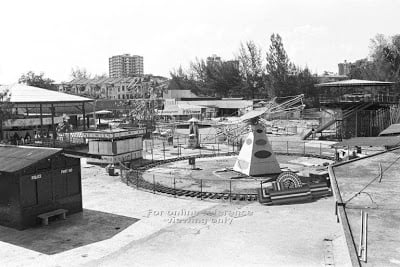
What: Established in 1936 by George Lee Geok Eng, philanthropist Lee Kong Chian’s brother, the $350,000 park was previously known as Happy World, the third amusement park in Singapore. It provided an East-meet-West kind of nightlife entertainment, with ronggeng (a traditional Javanese dance), movies, arcades, gaming, cultural shows, wayang, cabaret performances, and trade shows – a must-visit for couples in the 50s to 70s. Free admission failed to lure visitors in 1987, as the park headed for its gradual demise. In 2000, Eng Wah discontinued the park’s lease. It was eventually demolished together with Geylang Indoor Stadium in 2001.
If you miss this, you might also like: Tough luck!
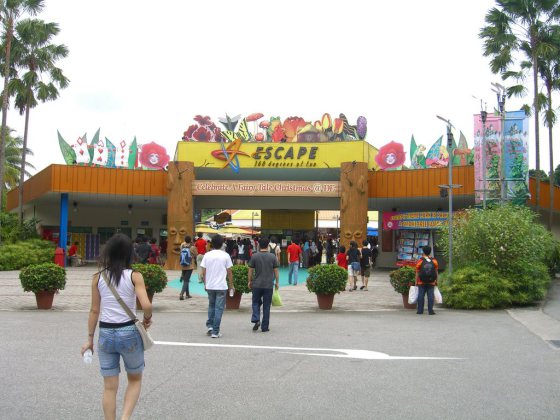
What: The amusement park of yesteryear, Escape Theme Park is an outdoor theme park opened in May 2000. In November 2011, the theme park ceased operations to facilitate redevelopment such as the expansion of Wild Wild Wet, a water park adjacent to it.
If you miss this, you might also like: Universal Studios Singapore
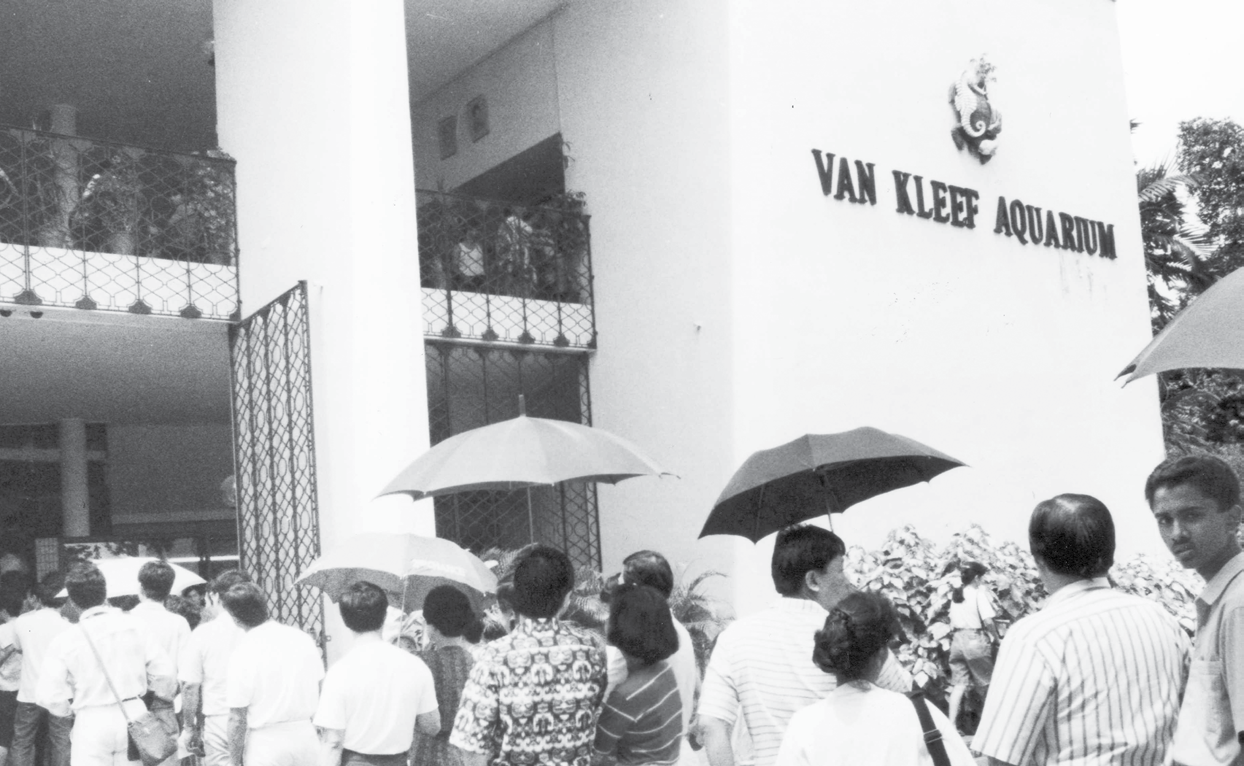
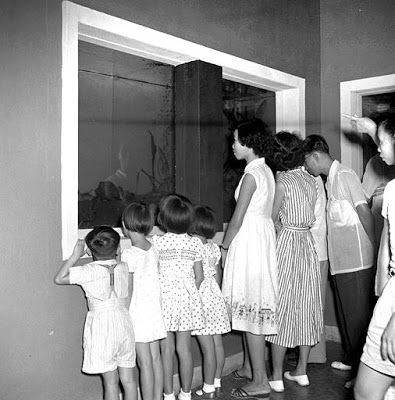
What: In September 1955, a fully-conditioned oceanarium named after Karl Willem Benjamin Van Kleef, a Dutch who resided in Singapore from the 19th to early 20th century, opened its doors. Van Kleef bequeathed his entire fortune to the Singaporean government after his death, for the “embellishment of the town”. The oceanarium housed 6,500 marine creatures of 180 different species. When Underwater World opened in 1991, most visitors went there instead. The Van Kleef Aquarium subsequently closed in 1991, with the building being torn down in 1996.
If you miss this, you might also like: S.E.A Aquarium
Where: On a now-demolished Imbiah Lookout entertainment zone portion on the island
What: The locals also know it as the Musical Fountain, or the Magical Fountain of Sentosa. After 25 years, the Musical Fountain ceased operations on 26 March 2007 and was demolished in the same year. The area could fit more than 5,000 people and five different shows were hosted throughout the years it was in operation. The well-known Magical Sentosa show ran during the fountain’s last five years of operation.
If you miss this, you might also like: The Light & Water Show at Marina Bay Sands
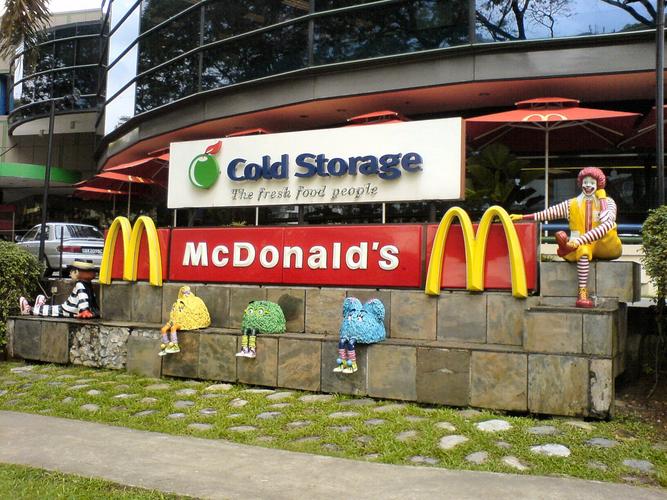
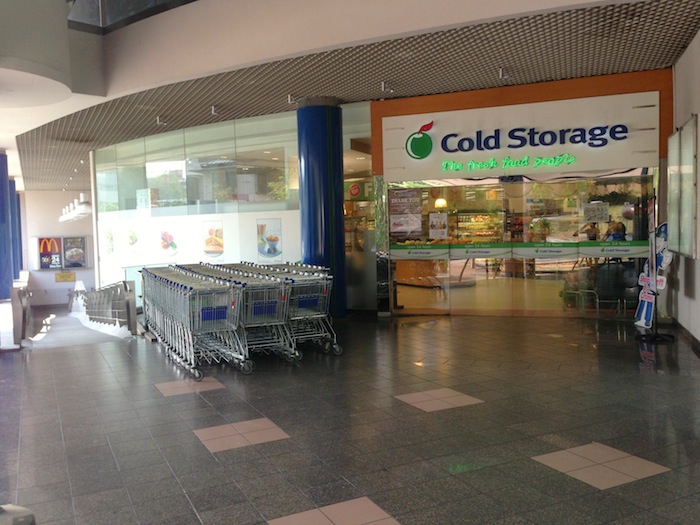
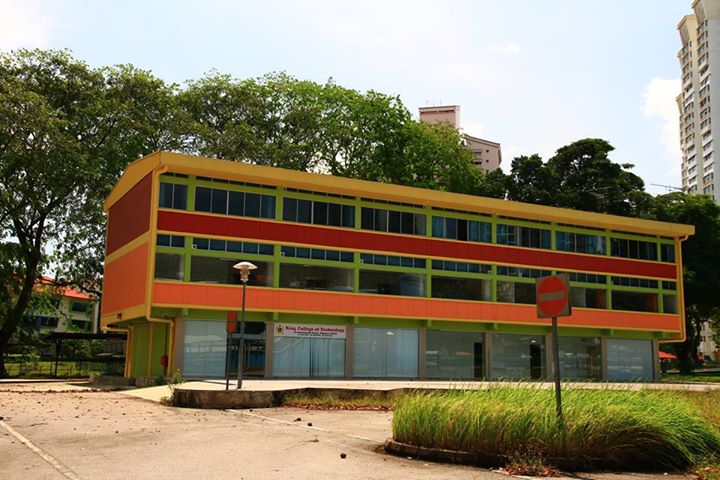
What: Affectionately known as KAP to residents and students who frequented the place, this 5,534.8 square meter space was pulled down for residential and commercial redevelopment after Oxley Holdings’ $150 million acquisition. The McDonald’s corporate headquarters was housed in KAP, along with one of Singapore’s largest McDonald’s, Cold Storage, Spinelli, Island Creamery and Cinta Mania. Since its opening in 1991, King Albert Park ceased operations on 16 March 2014.
If you miss this, you might also like: Bukit Timah Plaza, which is just a stone’s throw away. Same quaint concept, not quite the same awesomeness though.
What: After more than 30 years of service, the iconic East Coast Park McDonald’s closed its doors on 18 March 2012. Its landlord, the National Parks Board had plans for redevelopment in the area and this McDonald’s outlet is intended to be moved to a location 1.5km away, to East Coast Seafood Centre.
If you miss this, you might also like: Kallang McDonald’s
12. Former Methodist Girls School (MGS) at Sophia Hill
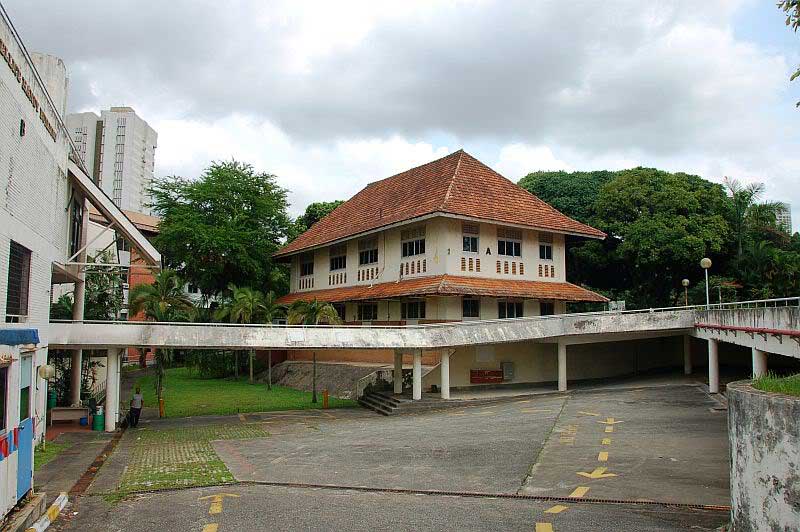
What: Founded on 15 August 1887, Miss Sophia Blackmore’s mission was to provide girls an education. Its humble beginnings saw nine girls whose fathers wanted them to be educated in a period where girls were not encouraged to go to school. Their fathers, who were all Tamil businessmen, donated money and furniture, and helped convert the rent-free shophouse into Tamil Girls’ School, the predecessor of MGS. In 1992, the overwhelming number of students resulted in the school’s shift to Blackmore Drive.
If you miss this, you might also like: The current MGS, along Blackmore Drive
Where: At the corner of Clemenceau Avenue and River Valley Road
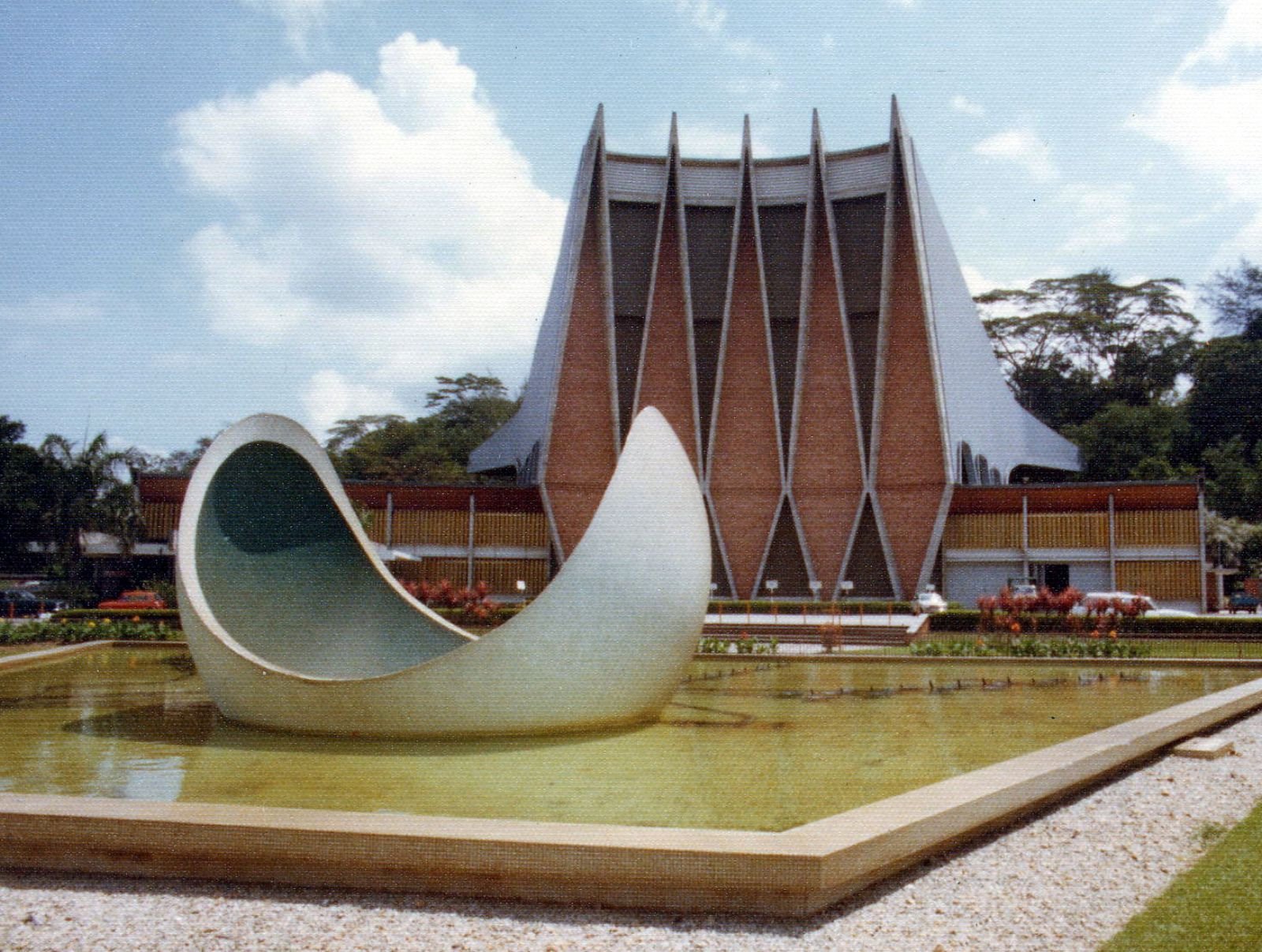
What: To commemorate Singapore’s self-governing achievement in 1959, the National Theatre was erected as a public theatre for concerts, performances and conferences. It was selected as the venue for the first Southeast Asian Cultural Festival in 1963’s opening premiere, despite being only partially completed. In 1984, the theatre was declared structurally unsafe and closed. It was torn down in 1986 for the construction of an expressway.
If you miss this, you might also like: The Esplanade
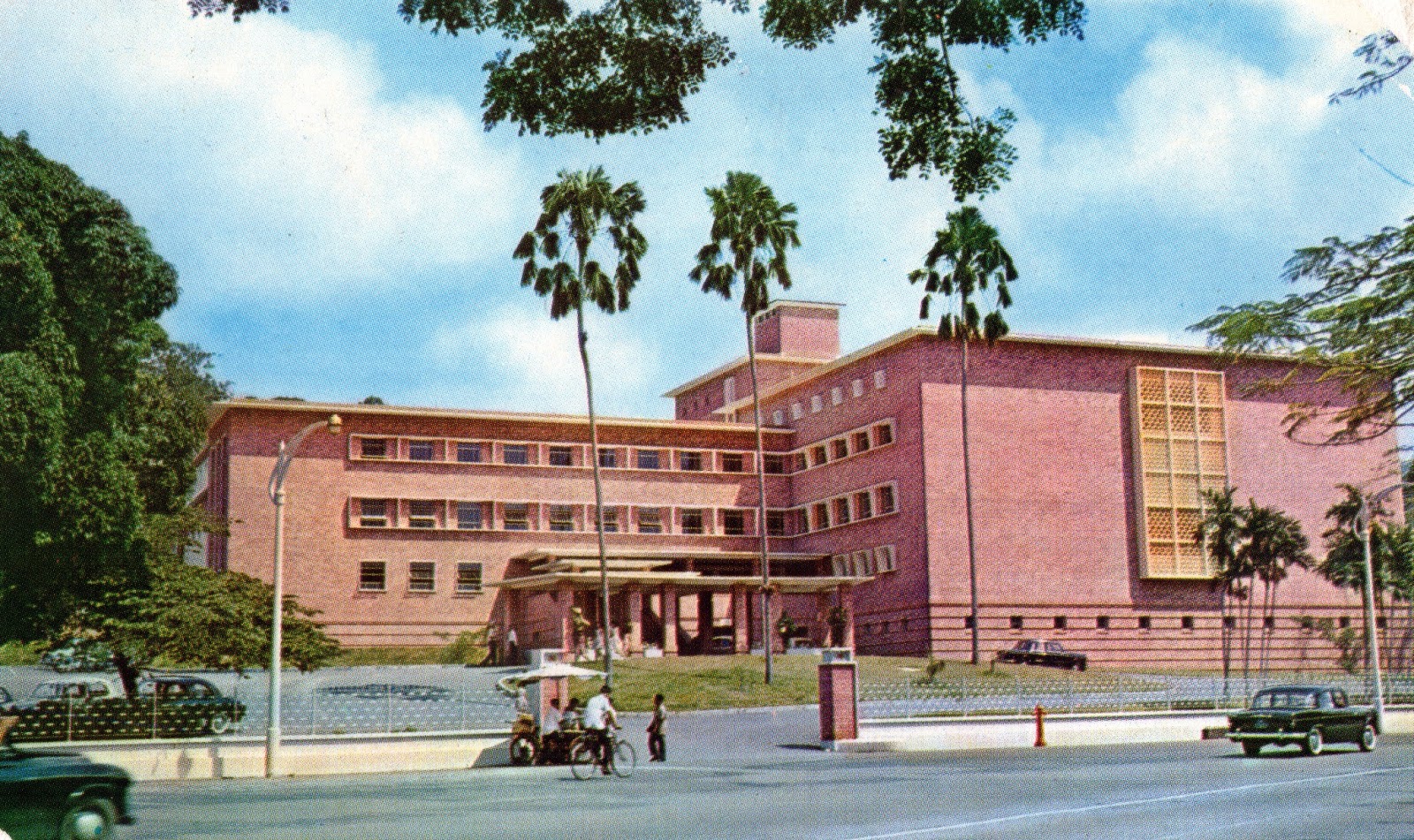
What: A historical building, the Old National Library Building was completed in 1960. On 31 March 2004, the library was closed despite public dissent, and eventually demolished for the construction of Fort Canning Tunnel to ease traffic to the city. This move resulted in a greater awareness of Singapore’s cultural roots and gained greater public favour of heritage conservation.
If you miss this, you might also like: National Library at Victoria Street
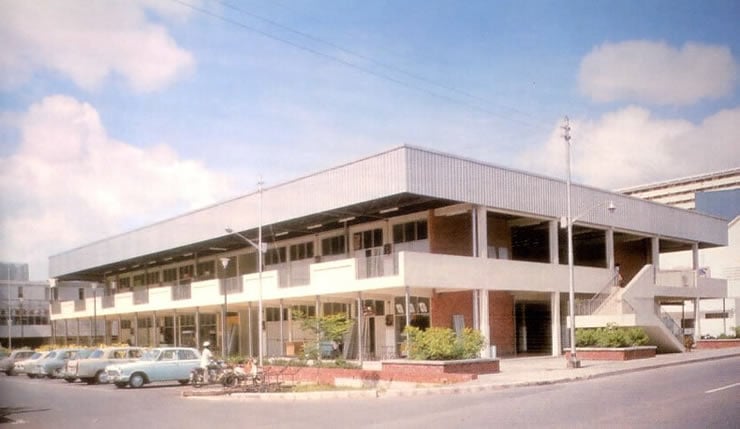
What: A two-storey food centre built in 1969, it housed at least 80 stalls. With delectable local delights like Hainanese chicken rice, Teochew fishball noodle, popiah and char kway teow, Commonwealth Avenue Food Centre was always crowded during lunch hours.
If you miss this, you might also like: Chinatown Food Centre
What: A former waterpark that saw a major facelift – now named Playground at Big Splash, a dining and recreation area. Build in 1977, the main attraction of Big Splash waterpark was the 85-metre long water slide, dubbed the world’s highest, longest slide. Its initial popularity declined and it closed in 2006 for redevelopment. The slides were pulled down when Big Splash reopened in March 2008.
If you miss this, you might also like: Sengkang Swimming Complex
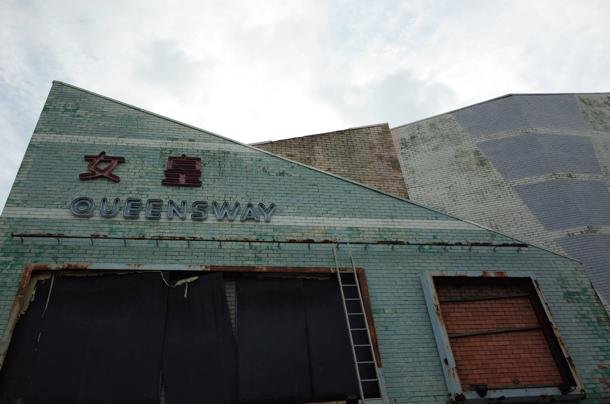
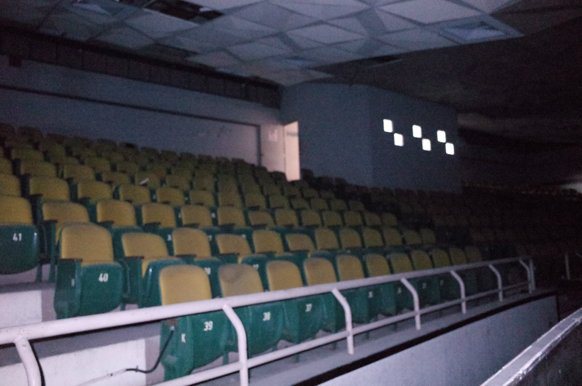
Where: Opposite Queenstown MRT Station, Queensway Centre
What: The 1,715-seater cinema was built in 1977 and became a popular hangout for students and residents. The cinema had two movie halls and two screens, a spectacular feat for its time. Its heyday saw meandering queues outside the box office on weekend nights, with tickets costing around S$6. In 1999, the cinemas ceased operations.
If you miss this, you might also like: Take your pick from the myriad of cinemas sprawled across the island. But in case you can’t make up your mind, we recommend City Square Mall’s Golden Village. Did you know they have an auditorium with a unique 42-seater ‘Couple’s Cinema’?
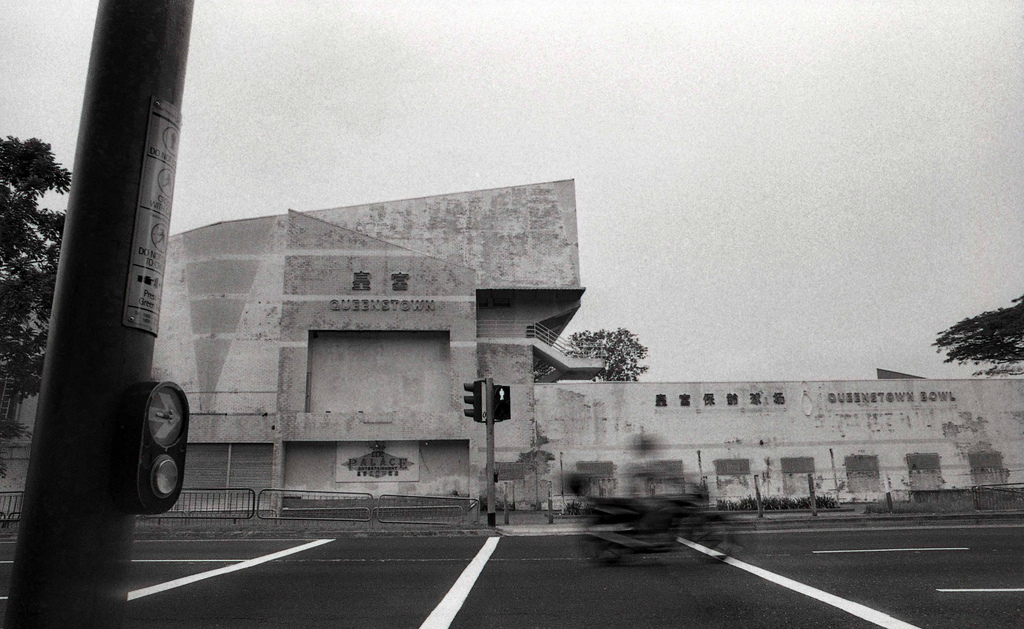
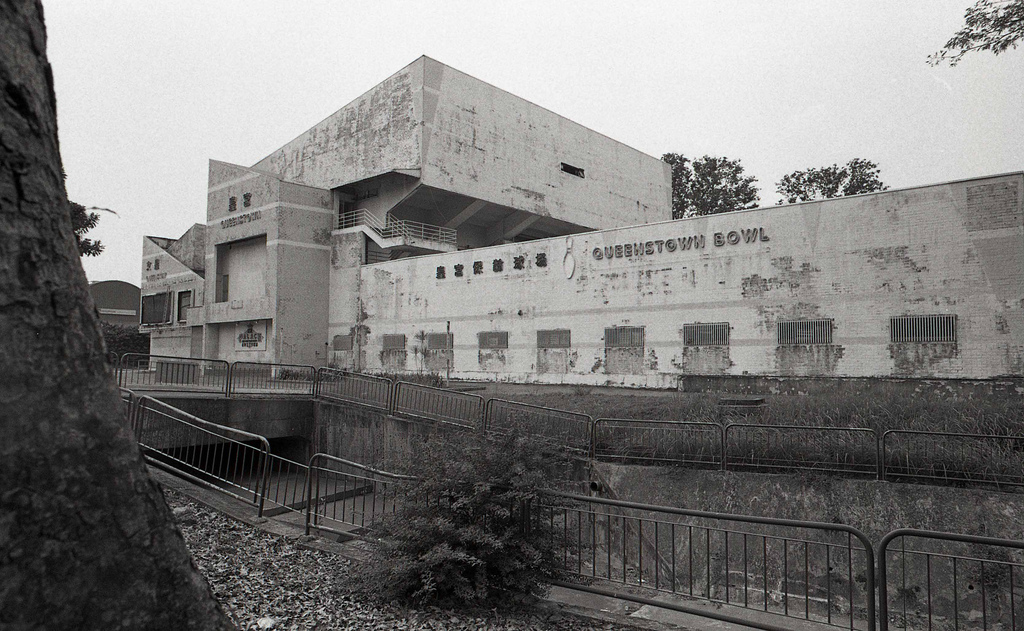
What: An 18-lane bowling alley that opened in 1976. After Queenstown/ Queensway cinemas ceased operations, the bowling alley lingered on for a few more years before it was gone for good in 2000.
If you miss this, you might also like: Superbowl Marina Square
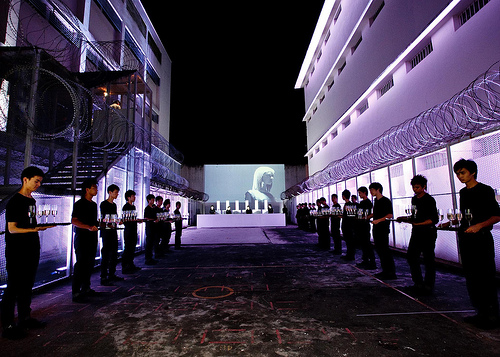
What: Queenstown Remand Prison was officially opened on 23 September 1966 to curb overcrowding at Outram Prison. Famous inmates include author of Singapore, My Home Too, Chee Soon Juan and American teenager Michael Fay.
In 2010, just before Queenstown Remand Prison was slated to be torn down, Calvin Klein spent a night in the Remand Prison to showcase its Spring 2010 collection and invited celebrities like Ethan Ruan, Cynthia Koh, and Allan Wu, amongst many others.
If you miss this, you might also like: Changi Prison (just don’t get locked up for good)
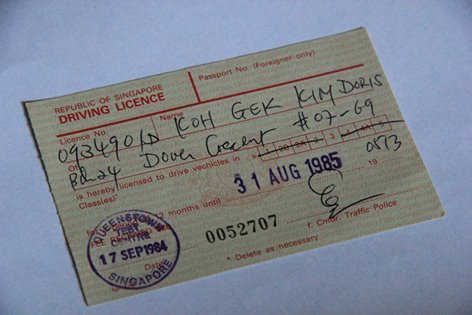
This was how a Provisional Driving License (PDL) at Queenstown Driving Centre looked like:
Where: Between Commonwealth Avenue and Dundee Road
What: The latest on the list to be demolished, the public was invited to Queenstown Driving Centre on 13 December 2014 for the last time to bid farewell. Singapore’s second driving test centre, the Queenstown Driving Test Centre was built in 1968, costing $285,000. The centre was about the size of two football fields of 10,500 square meter. Up to 300 Highway Code and driving tests were conducted a day, with 14 driving instructors. Interestingly, a contrast from today’s computerised theory tests, candidates had to ‘drive’ a miniature toy car modelled with pedestrian crossings and traffic lights.
If you miss this, you might also like: ComfortDelGro Driving Centre, Bukit Batok Driving Centre, Singapore Safety Driving Centre (although there’s nothing to see unless you enjoy car-watching)
How many places on this list have you visited and which are the ones you miss most?
Many Muslims and non-Muslims alike claim that Islam is a religion of peace and that violence perpetrated in the name of Islam is actually due to distortions or misunderstandings of the religion.
There are those, however, who would say that Islam is not innocent of its militant and murderous adherents.
They often cite verses of the Quran, such as Al-Tawbah (9):5, which says: “But when the forbidden months are past, then fight and slay the Pagans wherever ye find them, and seize them, beleaguer them, and lie in wait for them in every stratagem (of war).”
To make matters worse, it is always possible to find historical cases of the brutal treatment of Christians by Muslims.
A case in point is the 11th century Fatimid ruler, Abu Ali Mansur Tariq al-Hakim. Al-Hakim was known in the West as the “Mad Caliph” because of the brutal manner in which he treated religious minorities. The persecution of Christians and Jews began under his reign in AD1004 when he decreed that Christians would no longer be allowed to celebrate Easter.
Al-Hakim is also known to have forced Jews and Christians to become Muslims at the point of a sword, and to have destroyed numerous churches and other Christian holy sites in Palestine and Egypt, including the Church of the Holy Sepulchre in Jerusalem in 1009.
But Al-Hakim was thought to be mentally unstable and his reign was seen by even Western historians to be a departure from the norm on how Christians and Jews were treated in Islamic empires.
We are reminded of this barbarism today by the actions of the Islamic State in Iraq and Syria (ISIS) under Abu Bakr Al-Baghdadi. After capturing large areas of Iraq and Syria earlier this year, ISIS began to target Christians and other religious minorities, subjecting them to harassment, arrest, violence and conversion on pain of death. Archbishop Athanasius Toma Dawod of the Syriac Orthodox Church said that ISIS had burned churches and old religious texts, damaged crosses and statues of the Virgin Mary, and converted churches into mosques.
It is also important to point out that ISIS also targets Muslims who run afoul of the authorities. It was reported that a man who was caught eating during the fasting month was crucified for three days while a woman who committed adultery was stoned to death.
How do we reconcile the idea of Islam as a religion of peace, with the verses of the Quran that appear to support the violence perpetrated against Christians, such as those during the reigns of Al-Hakim and Al-Baghdadi?
There are two ways to deal with this question. One is to show that these verses are to be interpreted in their historical contexts. The other is to demonstrate how Muslims in history were guided by Islamic ideals and acted towards non-Muslim minorities.
The Quran in Al-Tawbah (9):13 asks: “Will ye not fight people who violated their oaths, plotted to expel the Messenger, and took the aggressive by being the first (to assault) you?” This makes it clear that the exhortation to fight mentioned a few verses earlier referred to cases of defence against aggressors. However, even this was highly regulated as Muslims were forbidden to fight during four sacred months.
Furthermore, the historical fact is that Muslims in general adhered to the Quranic ideal of showing tolerance and compassion to Jews and Christians who lived in Muslim-ruled lands. The Quran in Al-Mumtahanah (60):8 says: “Allah forbids you not, with regard to those who fight you not for (your) Faith nor drive you out of your homes, from dealing kindly and justly with them: for Allah loveth those who are just.”
It was in this spirit that the Prophet Muhammad dealt with the Christians of his time.
Any Muslim who fails to protect the life, property and honour of Christians is not only acting in contrast to Islamic tradition but is also violating the oath made by the Holy Prophet Muhammad.
This was stated by the Prophet himself in the Ashtiname or Covenant, a kind of charter that he signed which granted protection to the monks of Saint Catherine’s Monastery.
In fact, the Prophet said: “(W)hosoever of my nation shall presume to break my promise and oath… destroys the promise of God… (and) becomes worthy of the curse, whether he be the King himself, or a poor man, or whatever person he may be.”
The Prophet had made many such covenants with Christians.
Another historical event worthy of mention is the surrender of Jerusalem to the Caliph Omar in AD637. The Caliph travelled to Jerusalem in order to accept the surrender of the city from the Patriarch Sophronius. Sophronius then invited Omar to pray in the Church of the Holy Sepulchre. Omar declined the invitation for fear that his praying there may set a precedent that may eventually lead to the conversion of the church to a mosque.
These early historical examples of the gracious treatment of Christians by Muslims were not exceptions, but the rule. They continued throughout Islamic history.
Spain under Muslim rule, Al-Andalus, particularly between the 8th and 11th centuries, was known as a golden age of Jewish history, when Jewish philosophy and culture made advances. At a time when Jews were persecuted elsewhere in Europe, Andalusia’s Jews flourished, even taking up high positions in government.
The Ottoman Empire (1299-1023) went beyond tolerance and accepted non-Muslim minorities, granting them protection and religious freedoms. By the 16th century, the Ottomans established control over large parts of Europe, ruling over large Christian populations. Sultan Mehmed developed a system in which each religious community, or millet, elected its own leader and enforced its own religious laws. Orthodox Christians constituted a millet; the Jews another.
A proper approach to the interpretation of Quranic texts, involving a correct contextual understanding of its meanings, and the study of Islamic history, will reveal that tolerance and acceptance of non-Muslim minorities were the norm.
While Muslim empires were not liberal according to the standards of modern democracies, they were certainly progressive in comparison to their contemporaries when it came to dealing with religious minorities. Deviations from the norm were treated as violations by most Muslim themselves. This was true of Al-Hakim and is certainly the case with ISIS today.
The problem lies not with Islam the religion, but with ideological interpretations of it. The purest of ideas in a text can be reinterpreted in line with evil interests. All ideologies, religious or secular, have been subjected to this.