Tag: Rohingya

  • Muslim States Discuss Rohingya Crisis

    Muslim States Discuss Rohingya Crisis

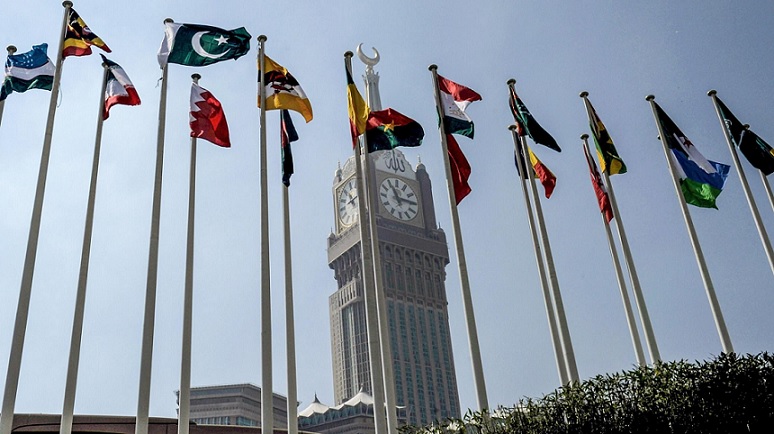
    The Organisation of Islamic Cooperation (OIC) is holding a special meeting in Kuala Lumpur on Thursday (Jan 19) called by Malaysia to discuss measures to deal with the conflict affecting the Muslim Rohingya minority in Myanmar.

    The OIC represents 57 states and acts as the collective voice of the Muslim world.

  • Wanita Dirogol Secara Sistematik Di Myanmar

    Wanita Dirogol Secara Sistematik Di Myanmar

    Ketika  tentera kerajaan Myanmar semakin menghampiri kampung Pwint Phyu Chaung, penduduk hanya mempunyai beberapa pilihan.

    Noor Ankis, 25 yang membuat keputusan untuk tidak melarikan diri mengatakan beliau dipaksa melutut dan kemudian dipukul sebelum dibawa ke suatu tempat rahsia untuk dirogol tentera kerajaan.

    Rashida Begum, 22 pula memilih untuk terjun ke dalam sebuah sungai bersama tiga anaknya. Seorang anak Rashidah yang masih bayi hanyut dan gagal dijumpai dalam kejadian tersebut.

    Cerita-cerita dari pelarian Myanmar ini yang kini tinggal di Bangladesh memberikan gambaran jelas mengenai keganasan tentera kerajaan sejak beberapa bulan lepas.

    Kisah mereka juga selari dengan laporan yang didedahkan oleh pertubuhan-pertubuhan hak asasi manusia.

    Dalam laporan tersebut, tentera kerajaan memasuki kampung-kampung di utara Rakhine dan melepaskan tembakan secara rawak, menembak pelancar roket dan memusnahkan kediaman sementara kanak-kanak dan wanita dirogol secara sistematik.

    Dari imej satelit yang didedahkan Humans Right Watch (HRW), kira-kira 1,500 kediaman telah dimusnahkan.

    Kempen kekejaman kerajaan Myanmar pula kini beralih ke arah selatan dan didakwa tidak akan berhenti sehingga kumpulan etnik Muslim, Rohingya dihapuskan.

    “Kami tak tahu langkah tentera kerajaan seterusnya, tapi kami tahu serangan ke atas orang awam sedang berterusan, kata Matthew Smith dari kumpulan Fortify Rights, dipetik laporan Irish Times.

    Lawan pengganas konon

    Sebuah suruhanjaya yang ditubuhkan kerajaan minggu lalu menafikan dakwaan pembunuhan beramai-ramai yang dilakukan tentera kerajaan di kampung-kampung yang telah dikepung.

    Para wartawan dan para penyiasat dari kumpulan hak asasi manusia pula dilarang menjejakkan kaki ke kampung-kampung tersebut.

    Myanmar menafikan melakukan sebarang pencabulan hak asasi, kecuali kejadian polis Myanmar yang dirakam membelasah penduduk Rohingya.

    [ARTIKEL BERKAITAN: Video polis Myanmar pukul etnik Rohingya viral]

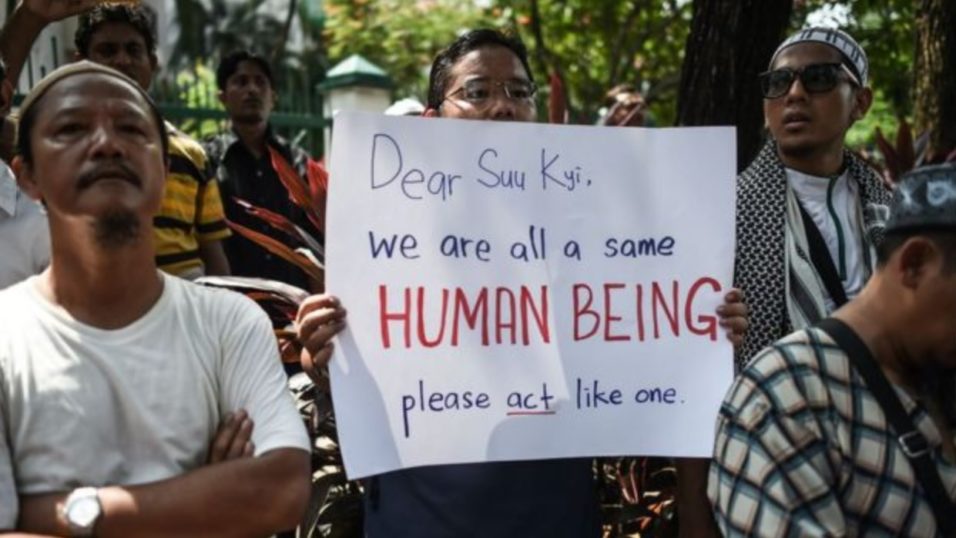
    Penerima Hadiah Nobel, Aung San Suu Kyii pula dikecam kerana berdiam diri dan ketawa apabila soalan-soalan berkenaan penindasan etnik Rohingya ditujukan kepadanya.

    Kempen kekejaman kerajaan dilaporkan bermula pada Oktober selepas sembilan anggota polis dibunuh dan dipercayai dilakukan kumpulan pemberontak bersenjata dari etnik Rohingya.

    Sehingga kini, tiada sebarang suspek kejadian dikenal pasti.

    Kerajaan Myanmar menyifatkan orang ramai ‘tersalah anggap’ mengenai kempennya yang menyasarkan penduduk etnik Rohingya.

    Sehingga kini, dianggarkan 65,000 pelarian etnik Rohingya sudah melarikan diri ke Bangladesh, kata laporan Organisasi Migrasi Antarabangsa (IOM).

    Semua dirogol, semua dibakar

    Tentera kerajaan dilaporkan pergi dari rumah ke rumah untuk menangkap lelaki dewasa dan kemudian merogol wanita dan membakar rumah.

    Kampung Kyet Yoepin yang mengandungi 245 kediaman musnah dalam operasi dua hari pertengahan Oktober lepas, kata HRW.

    Muhammad Shafiq yang berusia 20-an mengatakan askar kerajaan akan membariskan lelaki berasingan dari wanita.

    Ketika seorang askar memegang tangan kakaknya, Shafiq melawan dan beliau dibelasah dengan teruk oleh tentera kerajaan dan ditinggalkan untuk mati.

    Shafiq kemudian melarikan diri bersama anaknya sambil dihujani peluru yang dilepaskan tentera kerajaan.

    Beliau kemudian bersembunyi di sebuah jelapang padi dan melihat dari jauh kampung Kyet Yoepin dibakar oleh kerajaan.

    “Dah tak ada rumah lagi. Semua sudah dibakar,” kata Shafiq.

    Tentera kerajaan suka wanita muda

    Noor Ankis mengatakan tentera kerajaan membongkar semua rumah pada waktu pagi untuk mencari wanita muda.

    “Mereka kumpulkan kesemua wanita beramai-ramai dan membawa mereka ke satu tempat.

    “Yang mana mereka suka, mereka rogol. Di tempat itu, hanya ada tentera kerajaan dan wanita, tiada orang lain,” jelas Noor Ankis.

    Sufayat Ullah, 20 terjaga dari lena tidur selepas dikejutkan dengan bunyi tembakan.

    “Tentera menggunakan parang apabila mereka sudah dekat dengan penduduk.

    “Kalau jauh, mereka tembak,” kata Sufayat mengingati kejadian ngeri berkenaan.

    Sufayat melepaskan diri selepas terjun ke dalam sungai dan berenang sejauh yang boleh.

    Beliau tinggal di dalam air selama dua hari sebelum mendapat tahu tentera kerajaan telah membakar kediaman keluarga. Ibu, ayah dan dua adik beradiknya ditinggalkan di dalam rumah yang sedang dibakar dan maut.

    “Saya rasa tidak tenteram. Mereka sudah bunuh ibu dan ayah saya. Apa lagi yang tinggal untuk saya di dunia ini?” katanya sambil mengelap air mata.


    Source: SinarHarian

  • Ethnic Rakhine MPs Refuse To Meet UN Envoy Probing Rohingya Abuse

    Ethnic Rakhine MPs Refuse To Meet UN Envoy Probing Rohingya Abuse

    The ruling party in Myanmar’s Rakhine state government said Friday (Jan 13) it refused to meet a UN envoy who is probing allegations of horrific abuse of Rohingya Muslims by security forces in the region.

    Yanghee Lee, the UN special rapporteur on Myanmar, was expected to hold talks with members of the Arakan National Party in the state capital Sittwe, before travelling north to an area under military lockdown on Saturday.

    Lee has faced threats and been branded a “whore” by Buddhist hardliners on previous visits for her criticism of how Myanmar treats the Rohingya, a stateless group that has suffered years of poverty and repression.

    They have been targeted by security forces during a three-month crackdown in northern Rakhine that the UN said has seen at least 65,000 Rohingya flee across the border to Bangladesh.

    “They offered to meet with us from their side but we have no plans to meet them,” the vice president of ANP, Khine Pyi Soe, said of Lee’s arrival.

    “I don’t think that meeting with them is very important,” he added.

    Lee’s spokesman could not be immediately reached for comment.

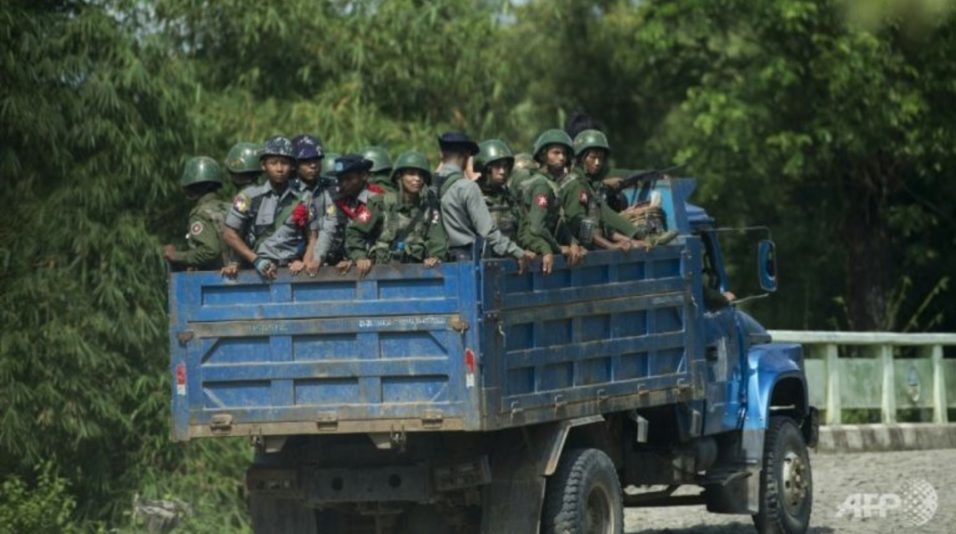
    Parts of northern Rakhine have been under military control since October as the army launches “clearance operations” to find Rohingya insurgents allegedly behind deadly raids on police border posts.

    The crisis has drawn a storm of international criticism for the elected government of Aung San Suu Kyi, which took power in March.

    Lee has slammed the lockdown as “unacceptable” and called for an international investigation into claims troops have raped, murdered and tortured civilians from the Muslim minority.

    Ahead of her trip, she said violence in Rakhine had contributed to “disquiet regarding the direction that the new government is taking in its first year”.

    Muslim-majority Malaysia has lashed out at Nobel laureate Suu Kyi for not stopping the violence, and next week will host foreign ministers from the Organisation of Islamic Cooperation for talks on the crisis.

    Bangladesh has urged Myanmar’s government to end the violence and take back the thousands of refugees that have entered already overcrowded camps along the border.

    “Bangladesh has demanded (the) quick restoration of (a) normal situation in Rakhine state so that Myanmar nationals… can quickly go back home,” foreign minister A.H. Mahmood Ali said after meeting Myanmar’s special envoy in Dhaka this week.

    Myanmar’s foreign ministry said the two sides had “agreed to commence consultations for verification and repatriation” of those who had fled the lockdown.


    Source: CNA

  • Myanmar, Bangladesh Bersetuju Mulakan Rundingan Mengenai Pelarian Rohingya

    Myanmar, Bangladesh Bersetuju Mulakan Rundingan Mengenai Pelarian Rohingya

    Myanmar bersetuju untuk memulakan rundingan dengan Bangladesh berhubung 65,000 Muslim Rohingya yang melarikan diri dari wilayah Rakhine di Myanmar sejak serangan-serangan dilancarkan ke atas tiga pondok kawalan dekat sempadan yang memisahkan kedua-dua negara itu tiga bulan yang lalu.

    Demikian menurut seorang pegawai kanan Myanmar pada Khamis (12 Jan).

    Pemimpin Myanmar Aung San Suu Kyi mengerahkan seorang utusan khas ke Dhaka minggu ini untuk memulihkan hubungan antara kedua-dua negara jiran itu, yang menyifatkan kaum Rohingya sebagai bukan masalah negara masing-masing.

    Perdana Menteri Bangladesh Sheikh Hasina memberitahu Timbalan Menteri Ehwal Luar Kyaw Tin pada Rabu (11 Jan) bahawa Myanmar harus mengambil semula kesemua “warga Myanmar” di Bangladesh, menurut jurucakap Bangladesh.

    Aye Aye Soe, ketua pengarah kementerian ehwal luar Myanmar, berkata kedua-dua negara itu akan memulakan rundingan mengenai “proses pengenalan dan pengesahan”.

    “Jika mereka mendapati bahawa mereka berasal dari Myanmar, mereka akan dihantar balik ke negara asal mereka pada masa yang sesuai,” jelasnya, sambil menambah bahawa “tiada garis masa” bagi rundingan tersebut.

    Persetujuan itu adalah satu petanda baik yang jarang-jarang berlaku dalam hubungan kedua-dua negara itu, yang sering dirumitkan dengan seramai 500,000 orang Rohingya yang tinggal di Bangladesh selepas melarikan diri dari penindasan selama berpuluh-puluh tahun di Myanmar.

    Pertubuhan Bangsa-Bangsa Bersatu turut menyatakan bahawa lagi 65,000 orang Rohingya sudah melarikan diri dari Rakhine ke Bangladesh sejak serangan-serangan yang meragut nyawa sembilan pegawai polis di sempadan Myanmar pada 9 Oktober.

    Para penduduk dan pelarian berkata bahawa askar dan polis membelasah, menyerang secara seksual dan melakukan pembunuhan secara beramai-ramai, serta sewenang-wenangnya memberkas para penduduk kampung dan membakar rumah mereka.

    Myanmar bagaimanapun menolak keras dakwaan tersebut.

    Source: BERITAMEDIACORP

  • ‘There Are No Homes Left’: Rohingya Tell Of Rape, Fire And Death in Myanmar

    ‘There Are No Homes Left’: Rohingya Tell Of Rape, Fire And Death in Myanmar

    When the Myanmar military closed in on the village of Pwint Phyu Chaung, everyone had a few seconds to make a choice.

    Noor Ankis, 25, chose to remain in her house, where she was told to kneel to be beaten, she said, until soldiers led her to the place where women were raped. Rashida Begum, 22, chose to plunge with her three children into a deep, swift-running creek, only to watch as her baby daughter slipped from her grasp.

    Sufayat Ullah, 20, also chose the creek. He stayed in the water for two days and finally emerged to find that soldiers had set his family home on fire, leaving his mother, father and two brothers to asphyxiate inside.

    These accounts and others, given over the last few days by refugees who fled Myanmar and are now living in Bangladesh, shed light on the violence that has unfolded in Myanmar in recent months as security forces there carry out a brutal counterinsurgency campaign.

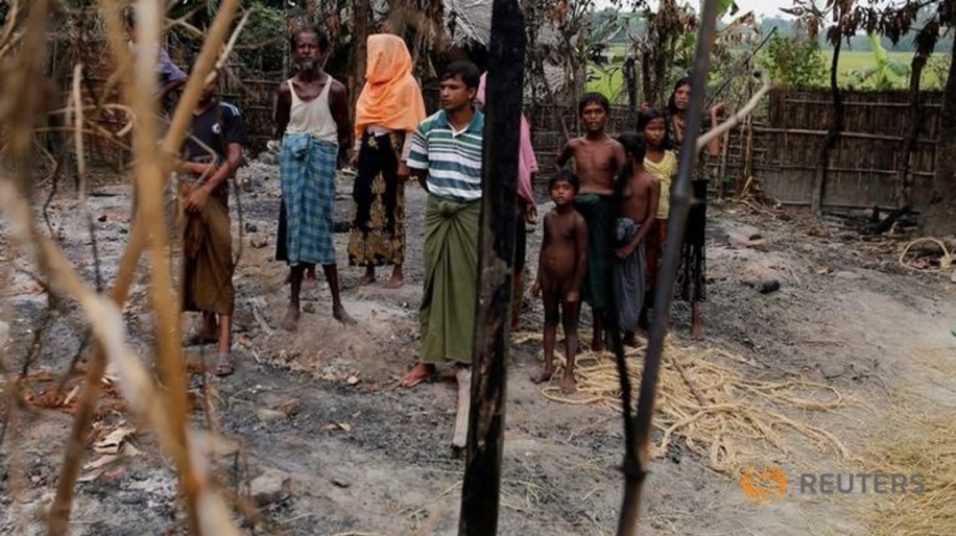
    Their stories, though impossible to confirm independently, generally align with reports by human rights organizations that the military entered villages in northern Rakhine State shooting at random, set houses on fire with rocket launchers, and systematically raped girls and women. At least 1,500 homes were razed, according to an analysis of satellite images by Human Rights Watch.

    The campaign, which has moved south in recent weeks, seems likely to continue until Myanmar’s government is satisfied that it has fully disarmed the militancy that has arisen among the Rohingya, a Muslim ethnic group that has been persecuted for decades in majority-Buddhist Myanmar.

    “There is a risk that we haven’t seen the worst of this yet,” said Matthew Smith of Fortify Rights, a nongovernmental organization focusing on human rights in Southeast Asia. “We’re not sure what the state security forces will do next, but we do know attacks on civilians are continuing.”

    A commission appointed by Myanmar’s government last week denied allegations that its military was committing genocide in the villages, which have been closed to Western journalists and human rights investigators. Officials have said Rohingya forces are setting fire to their own houses and have denied most charges of human rights abuses, with the exception of a beating that was captured on video. Myanmar’s leader, Daw Aung San Suu Kyi, the recipient of a Nobel Peace Prize, has been criticized for failing to respond more forcefully to the violence.

    The military campaign, which the government describes as a “clearing” operation, has largely targeted civilians, human rights groups say. It has sent an estimated 65,000 Rohingya fleeing across the border to Bangladesh, according to the International Organization for Migration.

    “They started coming in like the tide,” said Dudu Miah, a Rohingya refugee who is chairman of the management committee at the Leda refugee camp, near the border with Myanmar. “They were acting crazy. They were a mess. They were saying, ‘They’ve killed my father, they’ve killed my mother, they’ve beaten me up.’ They were in disarray.”

    Soldiers were attacking villages just across the Naf River, which separates Myanmar from Bangladesh, so close that Bangladeshis could see columns of smoke rise from burning villages on the other side, said Nazir Ahmed, the imam of a mosque that caters to Rohingyas.

    He said it was true that some Rohingya, enraged by years of mistreatment by Myanmar forces, had organized themselves into a crude militant force, but that Myanmar had dramatically exaggerated its proportions and seriousness.

    Rohingyas are “frustrated, and they are picking up sticks and making a call to defend themselves,” he said. “Now, if they find a farmer who has a machete at home, they say, ‘You are engaged in terrorism.’”

    An analysis released last month by the International Crisis Group took a serious view of the new militant group, which it says is financed and organized by Rohingya émigrés in Saudi Arabia. Further violence, it warned, could accelerate radicalization among the Rohingya, who could become willing instruments of transnational jihadist groups.

    Muhammad Shafiq, who is in his mid-20s, said he was at home with his family when he heard gunfire. Soldiers in camouflage banged on the door, then shot at it, he said. When he let them in, he said, “they took the women away, and lined up the men.”

    Mr. Shafiq said that when a soldier grabbed his sister’s hand, he lunged at him, fearful the soldier intended to rape her, and was beaten so severely that the soldiers left him for dead. Later, he bolted with one of his children and was grazed by a soldier’s bullet on his elbow. He crawled for an hour on his hands and knees through a rice field, then watched, from a safe vantage point, as troops set fire to what remained of Kyet Yoepin.

    “There are no homes left,” he said. “Everything is burned.”

    Jannatul Mawa, 25, who is from the same village, said she crawled toward the next village overnight, passing the shadowy forms of dead and wounded neighbors.

    “Some were shot, some were killed with a blade,” she said. “Wherever they could find people, they were killing them.”

    Dozens more families are from Pwint Phyu Chaung, which was near the site of a clash between militants and soldiers on Nov. 12.

    According to Amnesty International, the militants scattered into neighboring villages. When army troops followed them, several hundred men from Pwint Phyu Chaung resisted, using crude weapons like farm implements and knives, the report said. A Myanmar army lieutenant colonel was shot dead, and the troops called in air support from two attack helicopters.

    Mumtaz Begum, 40, said she was awakened at dawn when security forces approached the village from both sides and began searching for adult men in each house.

    She said she and her daughter were told to kneel down outside their home with their hands over their heads and were beaten with bamboo clubs.

    She said her 10-year-old son was shot through the leg, her daughter’s husband was arrested, and her own husband was one of dozens of men and boys in the village who were killed by soldiers armed with guns or machetes that night. Villagers, she said, “laid the bodies down in a line in the mosque and counted them.”

    Ms. Begum’s daughter, Noor Ankis, 25, said the next morning soldiers went from house to house looking for young women.

    “They grouped the women together and brought them to one place,” she said. “The ones they liked they raped. It was just the girls and the military, no one else was there.”

    She said the idea of trying to escape flickered through her head, but she was overcome by fatalism. “I felt there was no point in being alive,” she said.

    Ms. Ankis pulled her head scarf low, for a moment, removing a tear. She said she had been thinking about her husband.

    “I think about how he took care of me after we got married,” she said. “How will I see him again?”

    Sufayat Ullah, 20, a madrasa student, said that he was home with his family on the morning of the attack and that the first thing he registered was the sound of gunfire. He realized quickly, he said, that he could only survive by escaping. “When they found people close by, they attacked them with machetes,” he said. “If they were far away, they shot them.”

    Mr. Ullah ran from the house and bolted for the creek at the edge of town, and he dived in, swimming as far as he could. He said he spent much of the next two days underwater, finally scrambling onto the bank near a neighboring village. Only then did he learn that his mother, father and two brothers had burned to death inside the family house.

    “I feel no peace,” he said, covering his face with his hands and weeping. “They killed my father and mother. What is left for me in this world?”

    Source: nytimes