Category: Agama

  • Hijabs Turning Heads As Advertisers Realise Potential In Muslim Market

    Hijabs Turning Heads As Advertisers Realise Potential In Muslim Market

    The hijab – one of the most visible signs of Islamic culture – is going mainstream, with advertisers, media giants and fashion firms promoting images of the traditional headscarf in ever more ways.

    Last week, Apple previewed 12 new emoji characters to be launched later this year, one of a woman wearing a hijab.

    Major fashion brands from American Eagle to Nike are creating hijabs, while hijab-wearing models have started gracing Western catwalks and the covers of top fashion magazines.

    Many Muslim women cover their heads with the hijab in public as a sign of modesty, although some critics see it as a sign of female oppression.

    But there is one thing most can agree on: When it comes to the hijab, there is money to be made.

    “In terms of the bottom line, absolutely they’re good for business… it’s a huge market and they are incredibly brand-savvy, so they want to spend their money,” said Ms Shelina Janmohamed, vice-president of Ogilvy Noor, a consultancy offering advice on how to build brands that appeal to Muslim audiences.

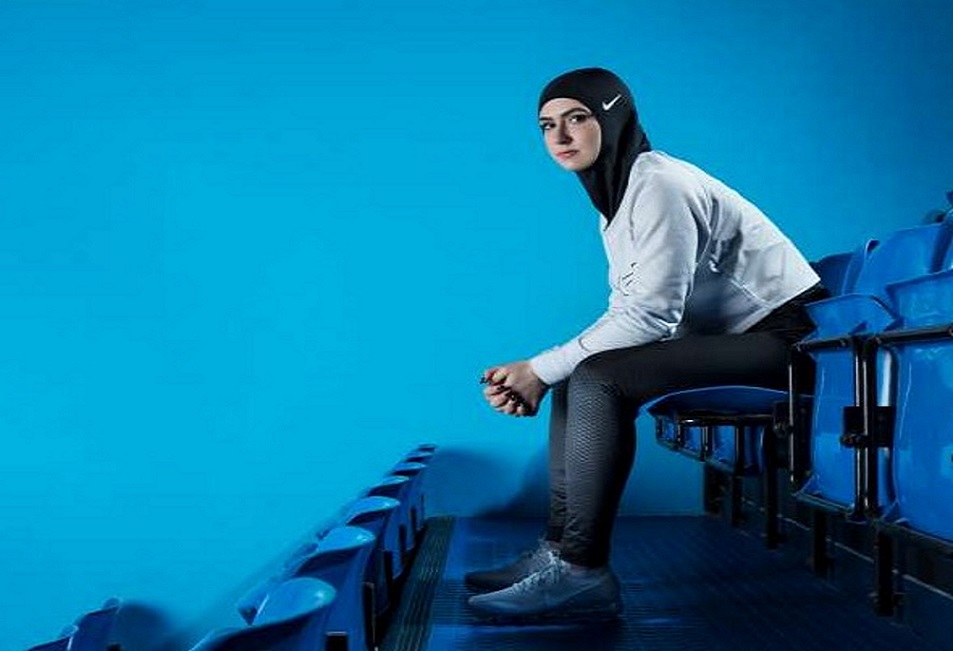
    Nike announced that it is using its prowess in the sports and leisure market to launch a breathable mesh hijab in spring next year, becoming the first major sports apparel maker to offer a traditional Islamic headscarf designed for competition.

    Last month, Vogue Arabia featured on its cover the first hijabi model to walk the international runway, Somali-American Halima Aden, who gained international attention last year when she wore a hijab and burkini during the Miss Minnesota USA pageant.

    “Every little girl deserves to see a role model that’s dressed like her, resembles her, or even has the same characteristics as her,” she said in a video on her Instagram account.

    Hijabs have also become more visible in Western advertising campaigns for popular retailers such as H&M and Gap.

    Ms Amani al-Khatahtbeh, founder of online publication Muslim- Girl.com, said from New York: “Brands, especially, are in a very strategic and potent position to propel that social good, to change the attitudes of society and really push us forward and take us to that next step.”

    In Nigeria, a medical student has become an Instagram sensation for posting images of a hijab-wearing Barbie, describing hers as a “modest doll” – unlike the traditional version. And mothers in Pittsburgh have started making and selling hijabs for Barbies in a bid to make play more inclusive.

    However, Ms al-Khatahtbeh warned of the potential for the young Muslim market to be exploited just for profit without any effort to promote acceptance and integration. “It can easily become exploitative by profiting off of communities that are being targeted right now, or it could be a moment that we turn into a very, very empowering one,” she said.

    Frustrated when she could not find an image to represent her and her friends on her iPhone keypad, Saudi teenager Rayouf Alhumedhi started an online campaign, the Hijab Emoji Project.

    She proposed the idea of the emoji last year to coding consortium Unicode that manages the development of new emojis, she said on her campaign’s website, helping to prompt Apple to create its hijab-wearing emoji.

    Ms Janmohamed of Ogilvy Noor said: “It’s only really in the last 18 to 24 months – perhaps three years – that bigger, mainstream brands have started to realise that young Muslim consumers are really an exciting opportunity.”

    A global Islamic economy report conducted by Thomson Reuters showed that in 2015, revenues from “modest fashion” bought by Muslim women were estimated at US$44 billion, with designers Dolce & Gabbana, Uniqlo and Burberry entering the industry.

    Ms Janmohamed, author of the memoir Love In A Headscarf, sees young hijabi representation in the digital communications and fashion space a step forward for tolerance.

    “It feels particularly empowering for young people to see themselves represented. So today, I think it is the least that consumers expect and anyone who doesn’t do it is actually falling behind.”


    Source: www.straitstimes.com
  • Metal Detectors To Be Removed From Al Aqsa Mosque

    Metal Detectors To Be Removed From Al Aqsa Mosque

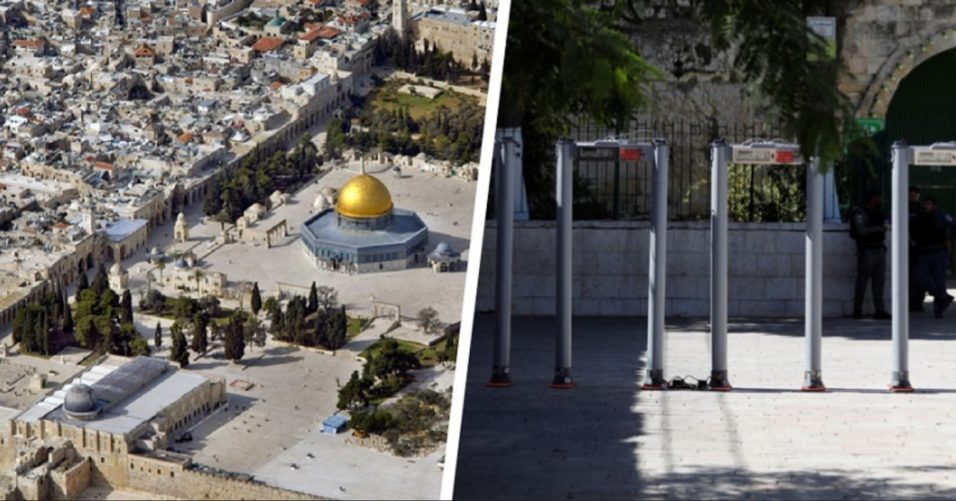
    Israel will begin removing the illegitimate metal detectors it installed at the entrances of the Al Aqsa Mosque compound following protests around the world.

    Palestinians have refused to enter the mosque compound through the metal detectors to avoid legitimizing Israel’s control over Al Aqsa mosque. Under international law, Israel has no authority over the site.

    However, demands by protesters to remove newly installed security cameras has not been fulfilled.

    May Allah grant us all the ability to pray at Al Aqsa Mosque.


    Source: http://ilmfeed.com

  • Provocative Korean Drama ‘Man Who Dies To Live’, Is Offensive To Muslims

    Provocative Korean Drama ‘Man Who Dies To Live’, Is Offensive To Muslims

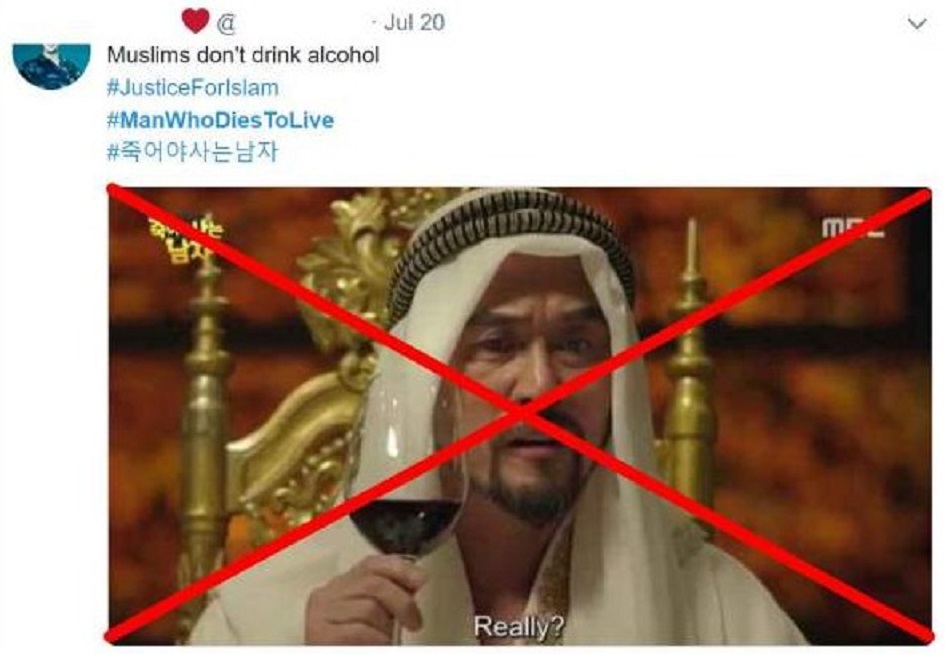
    A Korean comedy drama series, Man Who Dies To Live, has earned the ire of Muslims throughout the world because of scenes that many netizens say are offensive to Islam and portray a false image of Muslims.

    The drama, which was broadcast on MBC TV in Korea since 19 July, tells the story of Jang Dal Goo, who travels to a Muslim country in the Middle East, becomes wealthy and lives a decadent life under the name of Saeed Fahd Ali. The story follows his exploits and his return to Korea to reunite with his long-lost daughter and husband.

    In some scenes, Jang, who is dressed in stereotypical Arab thawb, headscarf and black robes, is openly seen meeting women dressed in hijabs and revealing swimsuits. He is also shown in one scene drinking wine for breakfast. In one of the drama’s posters, he also poses with his feet raised and placed near a book, which looks like the Quran.

    Twitter and Instagram users have raised a storm over the drama. Muslims netizens have instituted a boycott campaign and several movements to stop MBC from airing the show. They have also created a #JusticeForIslam and x-marked the drama’s posters as a way of showing their displeasure.

    Twitter user, @Sarw_Dope, wrote: “Never place the Quran that way next to a man’s foot. Stop disrespecting Islam and Arabs.”

    MBC has been forced to apologize on its official social media accounts, but defended the airing of the drama and said that all characters and events in the film were entirely fictional.

    “MBC has no intention in distorting any particular religion, culture or people,” its statement said in Arabic, Korean and English. “And we sincerely apologise for any harm that may have caused to the viewers in regards to the drama.”

    MBC said it would take “extreme caution in production from now onwards”.


    Source: www.allsingaporestuff.com

  • [Malaysia] Bersyukurlah Jadi Melayu, Bangsa Dunia Yang Hebat

    [Malaysia] Bersyukurlah Jadi Melayu, Bangsa Dunia Yang Hebat

    PETALING JAYA: Datuk Seri Salleh Said Keruak berkata sejumlah setengah bilion orang Melayu tersebar di seluruh dunia dari Australia ke Amerika Syarikat, dan berkata orang Melayu perlu bersyukur mereka tergolong sebahagian daripada mereka kerana mempunyai jati diri dan mengekalkan tradisi tidak kira di mana mereka berada.

    “Sebagai bangsa Melayu, bersyukurlah dengan anugerah Allah ini. Kekalkan tradisi kehebatan ini supaya nasib bangsa ini tidak terjadi seperti tragedi yang menimpa bangsa Palestin, Syria, Afghanistan, Iraq dan Rohingya yang sedang bergelora dan ditindas di tanah air sendiri,” tulis bendahari Umno itu dalam catatan blog hari ini.

    Katanya, diaspora Melayu mewakili 9% penduduk dunia, dan mereka terbukti berjaya kerana memiliki sifat jati diri dan kerajinan, seperti yang boleh dilihat dengan pelantikan orang Melayu untuk jawatan penting di negara lain.

    Beliau memberi contoh Melayu Sri Lanka, Samara Vijayatungga dan Melayu Cape, Abdullah Kadi Abdus Salaam, di samping Melayu yang mula menetap di kawasan baharu seperti Datuk Mohd Aris Ahmad yang dilantik menjadi Datuk Bandar Winsford di England pada 1989, dan usahawan New York, Datuk Fathol Razak Abdul Rawak.

    “Kehebatan diaspora bangsa ini diiktiraf dunia. Bangsa ini sudah mampu menjadi duta Melayu global untuk terus bersaing dengan bangsa-bangsa lain di peringkat antarabangsa,” kata menteri komunikasi dan multimedia itu.

    Katanya, kehebatan diaspora Melayu adalah disebabkan sifat mereka yang rajin, berani dan berjiwa besar.

    “Selain itu adalah faktor agama Islam, keterbukaan minda, pengamalan budaya dan bahasa Melayu yang turut menjadikan mereka hebat.”


    Source: www.freemalaysiatoday.com

  • Masjid Haji Muhammad Salleh (Palmer Road) Reopens Today After Completion Of Upgrading Works

    Masjid Haji Muhammad Salleh (Palmer Road) Reopens Today After Completion Of Upgrading Works

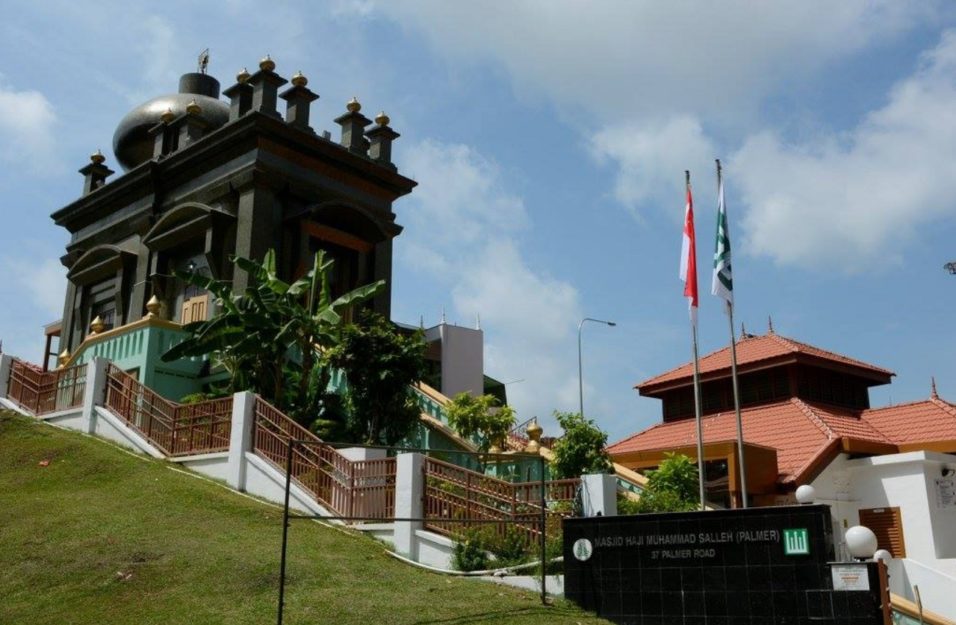
    Masjid Haji Muhammad Salleh (Palmer Road) reopens today after completion of upgrading works to its facilities and main prayer spaces. Situated at the edge of Central Business District and Shenton Way, the 114-year old spiritual sanctuary now provides additional prayer space for 200 congregants (from 700 to 900).

    Upgrading works also include repainting, replacement of mosque’s entrance gate and roof tile, new perimeter fencing, re-carpeting of prayer hall and re-tiling of the mosque’s open area.

    The mosque, which is within close proximity to the upcoming Prince Edward MRT station, is also equipped with new features such as a handicapped toilet, customer service office, glass canopy for a new extended prayer space, a platform lift and two additional classrooms.

    No automatic alt text available.

    Image may contain: indoor

    Image may contain: outdoor

    Image may contain: plant and outdoor

    Source: Islamic Religious Council of Singapore (MUIS)

deneme bonusu