Tan Tock Seng Hospital (TTSH) has fired nurse Ello Ed Mundsel Bello for making “offensive online comments”. The hospital announced this in a Facebook post on Friday (Jan 9).
The hospital had reviewed three online posts made by him in 2014 that touched on race and religion. One was an “offensive Facebook comment on Singapore”, while the other two comments on religion were made on his Google Plus page, TTSH said.
“Mr Bello has confirmed that he had made these three posts,” the hospital said, describing the comments as “highly irresponsible and offensive to Singapore and religion”.
“His conduct goes against our staff values of respect, professionalism and social responsibility. As a public healthcare institution, we take a very serious view and have zero tolerance on conduct that is offensive and detrimental to multi-cultural harmony in Singapore,” said TTSH.
The employee in question had joined the hospital in Oct last year and was under probation. TTSH had said on Jan 4 on its Facebook page that Mr Bello had claimed that his Facebook account was hacked.
A day later on Jan 5, the hospital made another posting that described this as a “serious matter” and that it does not “condone behaviours or comments that are irresponsible and offensive, and will take the appropriate disciplinary action where necessary”.
The dismissal is independent of the ongoing police investigation of alleged posts made in January 2015, the hospital added. “We are still in full cooperation with the police on the alleged comments”.
What was supposed to be a value-for-money porridge buffet for a group of colleagues turned into a stomach churning experience after a customer allegedly spotted a dead rat in one of the restaurant’s free-flow dishes.
Caron Chan was with four other colleagues at Hot Pot Culture’s porridge buffet at Marina Square when they made the grisly find.
According to her, a colleague had spotted what she thought was a rat’s tail in a vegetable dish. Chan then proceeded to scoop out the rest of the mystery meat, to discover to her disgust that it was a whole rat carcass.
She then approached a staff member.
“The staff member didn’t even react quickly, she handled something else first, then came to us and told another employee to remove it. She just said sorry and that they would serve a new batch,” said Chan.
“What about the other customers who already ate it? That was so gross. They should have quickly stopped operations.”
Completely turned off by their find, Chan and her colleagues left the restaurant without paying, but informed the table next to them, which had already eaten the dish.
“The lady at the table next to us told us that she was still charged by the restaurant. She has already lodged a complaint with the National Environment Agency,” said Chan, who posted photos of the rat dish on her Facebook account, which has since gone viral with almost 200 shares.
When Yahoo! Singapore called Hot Pot Culture, the manager on duty said she was unaware of the rat incident.
“As far as I know, I just heard that the dish wasn’t fresh and so we replaced it,” she said.
When pressed further for information from the management, she took down the contact of this reporter and said the owner would be in touch.
Yahoo! Singapore has contacted the National Environment Agency for comment.
Beberapa peningkatan dan pembaikan dalam Skim Pengiktirafan Asatizah (ARS) akan dilaksanakan sepanjang tiga tahun mulai tahun ini hingga 2017.
Antaranya termasuk pengumpulan mata yang fleksibel, masa kursus dan medium penyampaian kursus yang pelbagai variasi, serta menaik taraf sistem portal dan pangkalan data ARS.
Demikian menurut Mufti Negara, Dr Mohamed Fatris Bakaram, dalam majlis menjunjung budi bagi menghargai sumbangan para anggota Lembaga Pengiktirafan Asatizah (ARB), yang turut dihadiri oleh Menteri Bertanggungjawab bagi Masyarakat Islam, Dr Yaacob Ibrahim, di Akademi Majlis Ugama Islam Singapura (MUIS) hari ini.
Menurut Mufti, skim yang diperkenalkan sedekad lalu untuk memperkasa asatizah dengan ilmu pengetahuan itu, perlu dipastikan terus berdaya saing.
Beliau berharap ARS akan menjadi satu skim yang boleh dijadikan model di rantau ini dan di benua lain. Menurut penelitian beliau, skim itu telah mencapai ke tahap sekarang ini dengan kesungguhan anggota-anggota ARB.
Tambah Mufti: “Cetusan untuk menginstitusikan skim ARS ini, merupakan satu keputusan yang sangat tepat. Ia dilihat memberi manfaat yang sangat besar, bukan hanya untuk golongan kepimpinan agama sahaja, (tetapi juga) para asatizah yang merupakan kumpulan sasaran. Malah manfaatnya dapat diraih juga oleh seluruh masyarakat Singapura.”
Pengerusi ARB, Ustaz Haji Ali Mohamed, juga berpendapat skim itu perlu diperbaiki dari masa ke masa sesuai dengan keperluan. Beliau berharap dalam jangka panjang, skim ARS boleh memainkan peranan besar dalam membangunkan potensi asatizah setempat.
Sehingga bulan ini, lebih 1,750 asatizah berdaftar di bawah skim ARS.
Dr Mohammad Hannan Hassan, Naib Dekan Akademi MUIS, juga berharap peningkatan terhadap ARS akan menjadikannya lebih berwibawa dan dapat terus memperkasa para asatizah.
Old buildings and infrastructure have to be demolished to make way for the new, in the face of rapid urbanisation and development of contemporary Singapore. Here are 20 places in Singapore that no longer exist, some making its disappearance more quietly than the others.
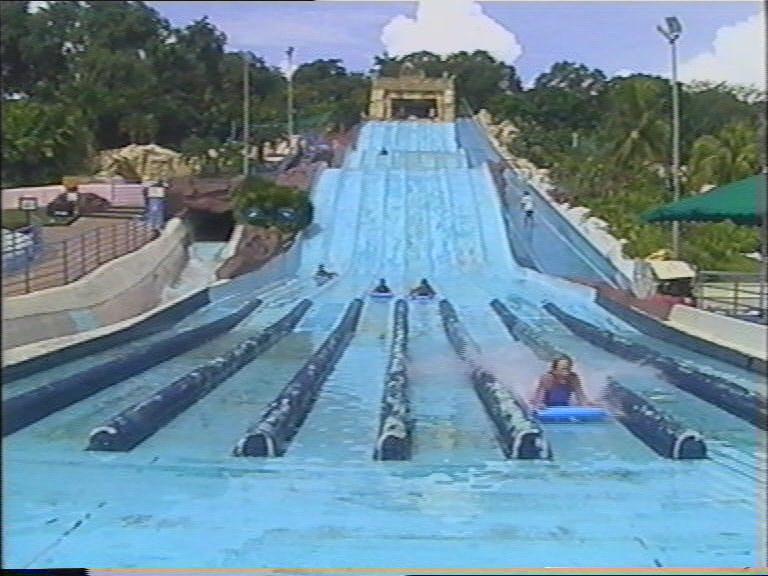
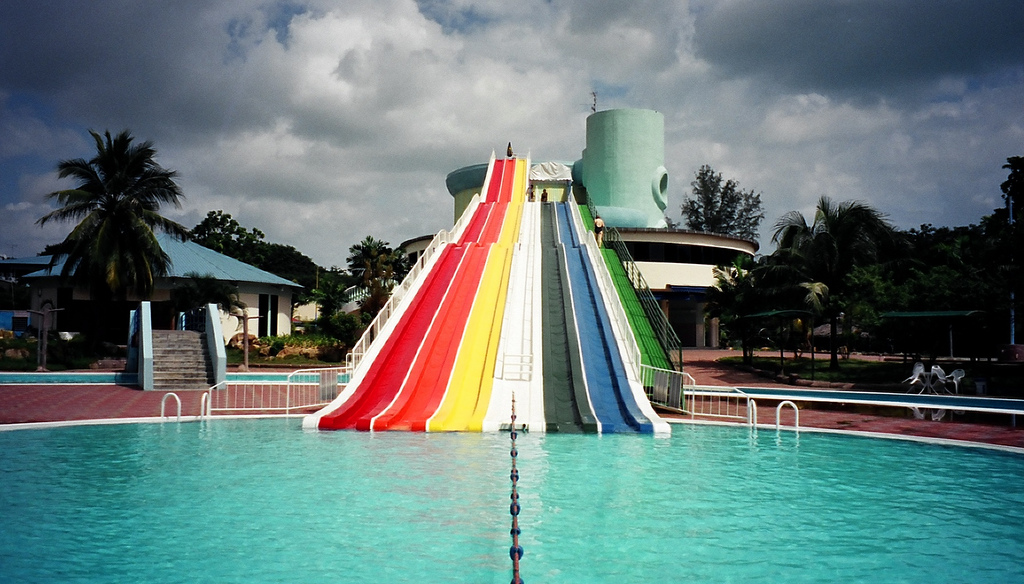
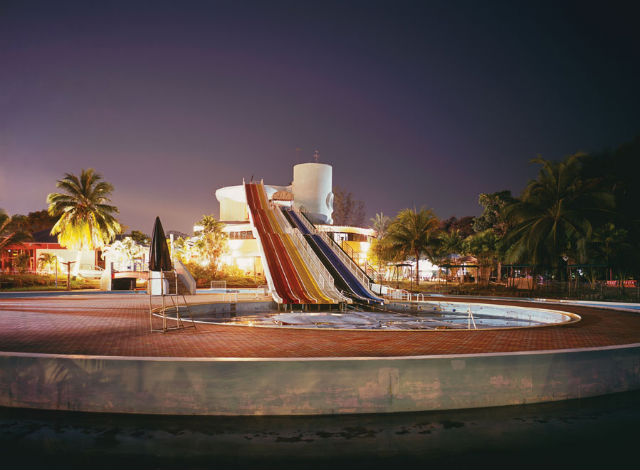
Where: Sentosa, where Universal Studios Singapore sits now
What: An iconic attraction in the 90’s, the $54 million water theme park was opened from December 1994 to 2 November 2002. The water park’s focal point was a huge eight-lane slide with water currents so hasty it could launch riders in mid-air momentarily. The compulsory entrance fee to Sentosa, on top of Fantasy Island’s entrance fee, coupled with inaccessibility due to limited SBS buses going into Sentosa, was a deterrent for many. Its demise was eventually accelerated with numerous media coverage of accidents and 2 deaths at the theme park.
If you miss this, you might also like: Wild Wild Wet
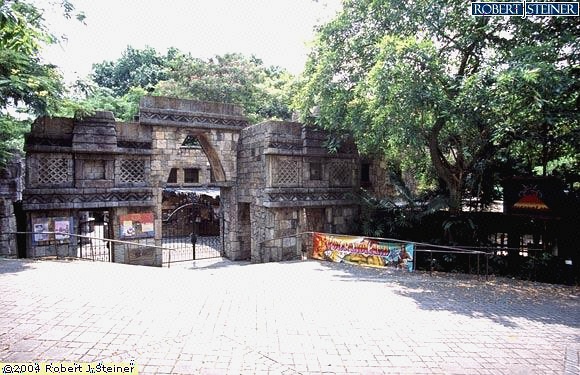
Where: Sentosa, No. 7, Artillery Avenue, before the Integrated Resort appeared
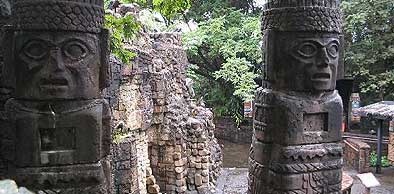
What: While Singapore may not have natural volcanoes, Volcano Land featured an artificial volcano, complete with Mystic Mayan motifs and scenery. A mythological explorer and his robot join visitors on their journey, which first starts with an ancient excavation. At the end, the Volcano Land show finishes off with a ‘volcanic eruption’.
If you miss this, you might also like: Science Centre, maybe?
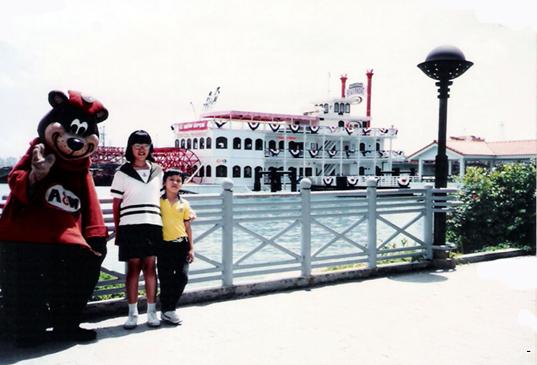
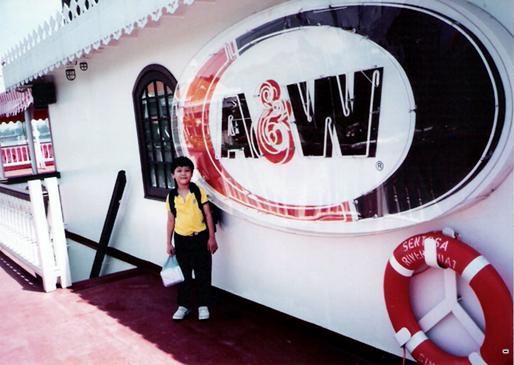
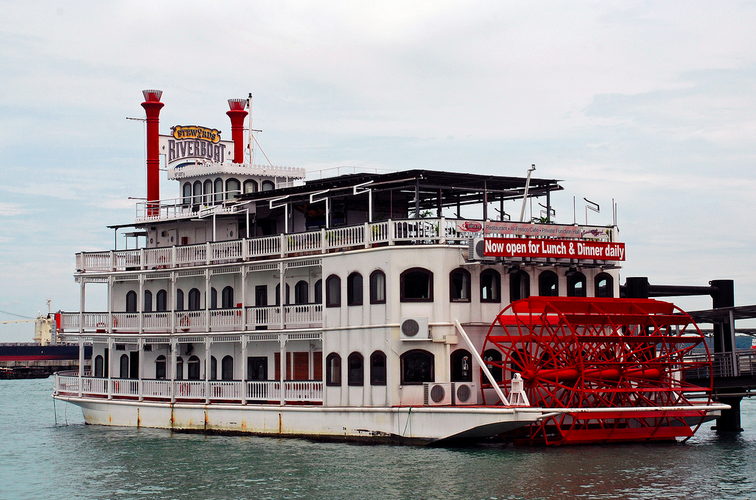
What: Built in 1991, this boat was home to Singapore’s floating A&W restaurant at Sentosa. Sadly, A&W fast food chain can no longer be found on the shores of Singapore. This vessel has since been revamped, now known as Stewords Riverboat and relocated to Marina South Pier, housing Santa Fe Tex-Mex Grill and Breaking Bread.
If you miss this, you might also like: Da bao A&W from Batam and smuggle dine onboard Stewords Riverboat at Marina South Pier
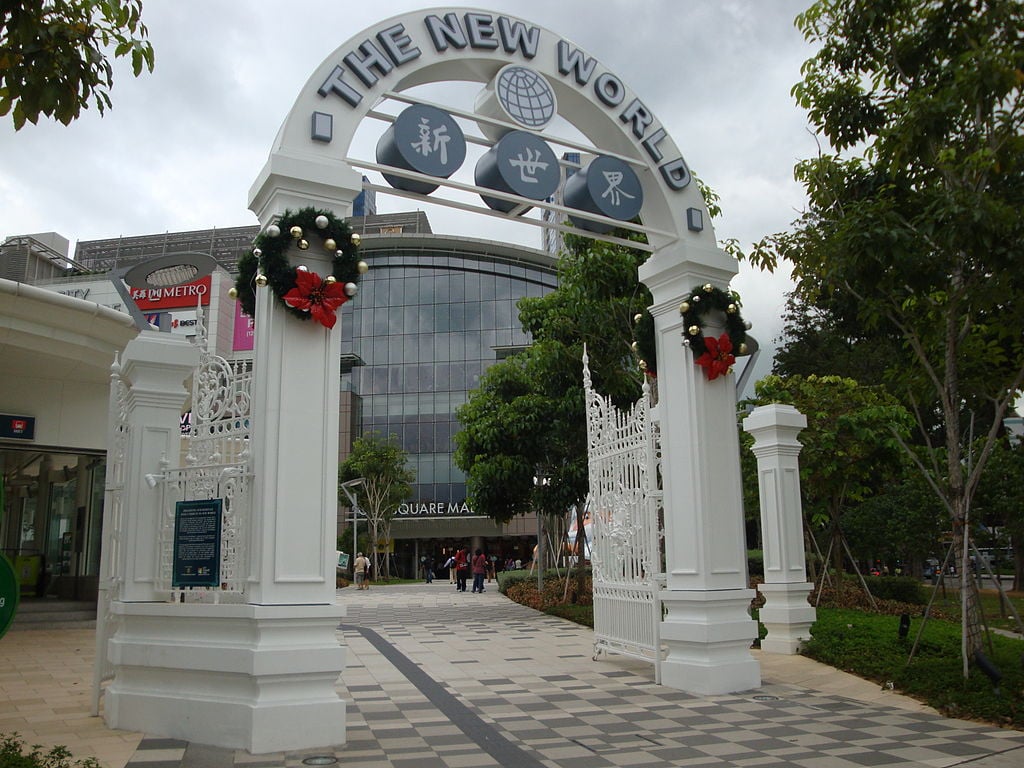
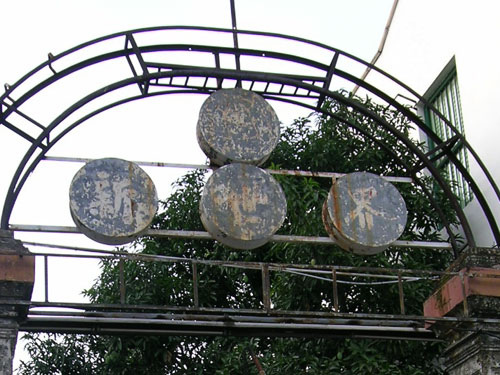
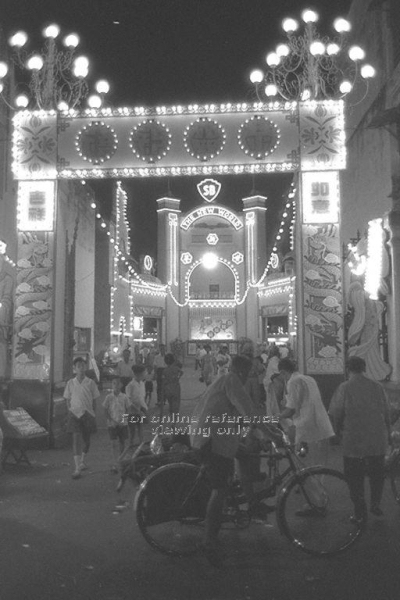
What: The first of three amusement parks, New World Amusement Park entertained night crowds along with Great World and Gay World. With exciting lineups such as a striptease, boxing matches, opera shows and cabaret girls, it was hardly surprising that the amusement park saw crowds ranging from labourers to Europeans. Under Shaw Organisation’s management, New World thrived for the next 40 years from 1923 until the 1960s when it faced competition from discos, shopping centres and television. New World finally closed for good in April 1987.
If you miss this, you might also like: Red light district at Geylang/ Getais?
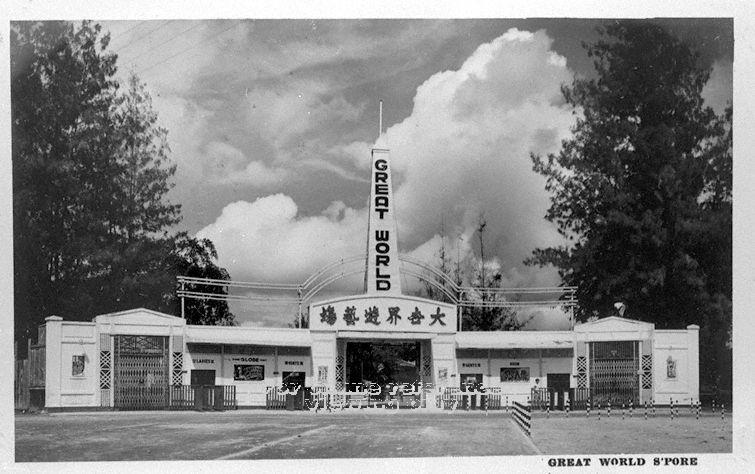
What: The second amusement Park after New World, it was built in 1929 and known to locals as “Tua Seh Kai” in Hokkien. The site was initially a Chinese cemetery, but after redevelopment, the park has attractions such as a nightclub called Flamingo, a famous Cantonese restaurant called Wing Choon Yuen (now known as Spring Court), fun fair with rides like Ghost Train and four cinemas run by Shaw Brothers.
If you miss this, you might also like: No alternatives available. Reminisce with Kelvin Tong’s 2010 film, It’s A Great, Great World, based on the park’s history.
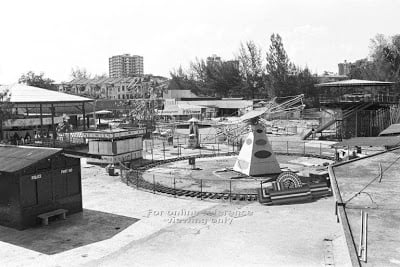
What: Established in 1936 by George Lee Geok Eng, philanthropist Lee Kong Chian’s brother, the $350,000 park was previously known as Happy World, the third amusement park in Singapore. It provided an East-meet-West kind of nightlife entertainment, with ronggeng (a traditional Javanese dance), movies, arcades, gaming, cultural shows, wayang, cabaret performances, and trade shows – a must-visit for couples in the 50s to 70s. Free admission failed to lure visitors in 1987, as the park headed for its gradual demise. In 2000, Eng Wah discontinued the park’s lease. It was eventually demolished together with Geylang Indoor Stadium in 2001.
If you miss this, you might also like: Tough luck!
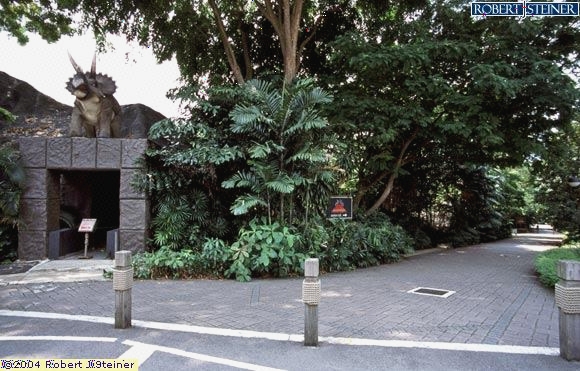
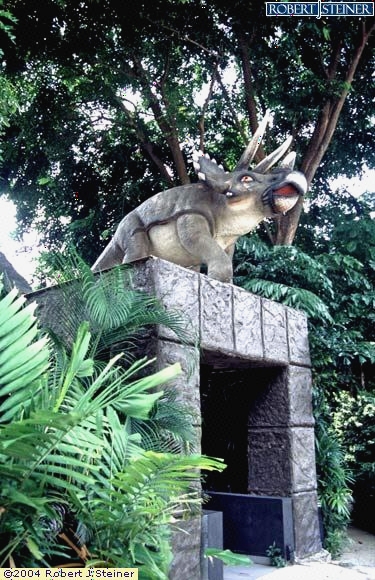
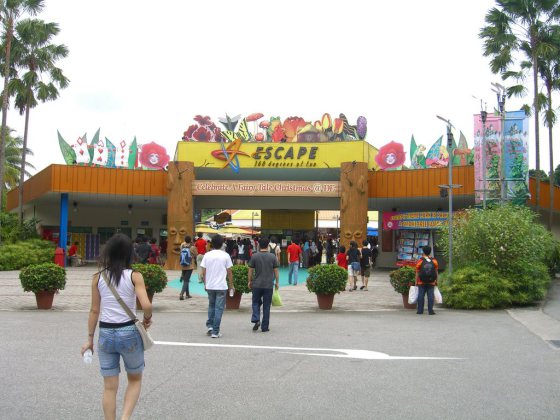
What: The amusement park of yesteryear, Escape Theme Park is an outdoor theme park opened in May 2000. In November 2011, the theme park ceased operations to facilitate redevelopment such as the expansion of Wild Wild Wet, a water park adjacent to it.
If you miss this, you might also like: Universal Studios Singapore
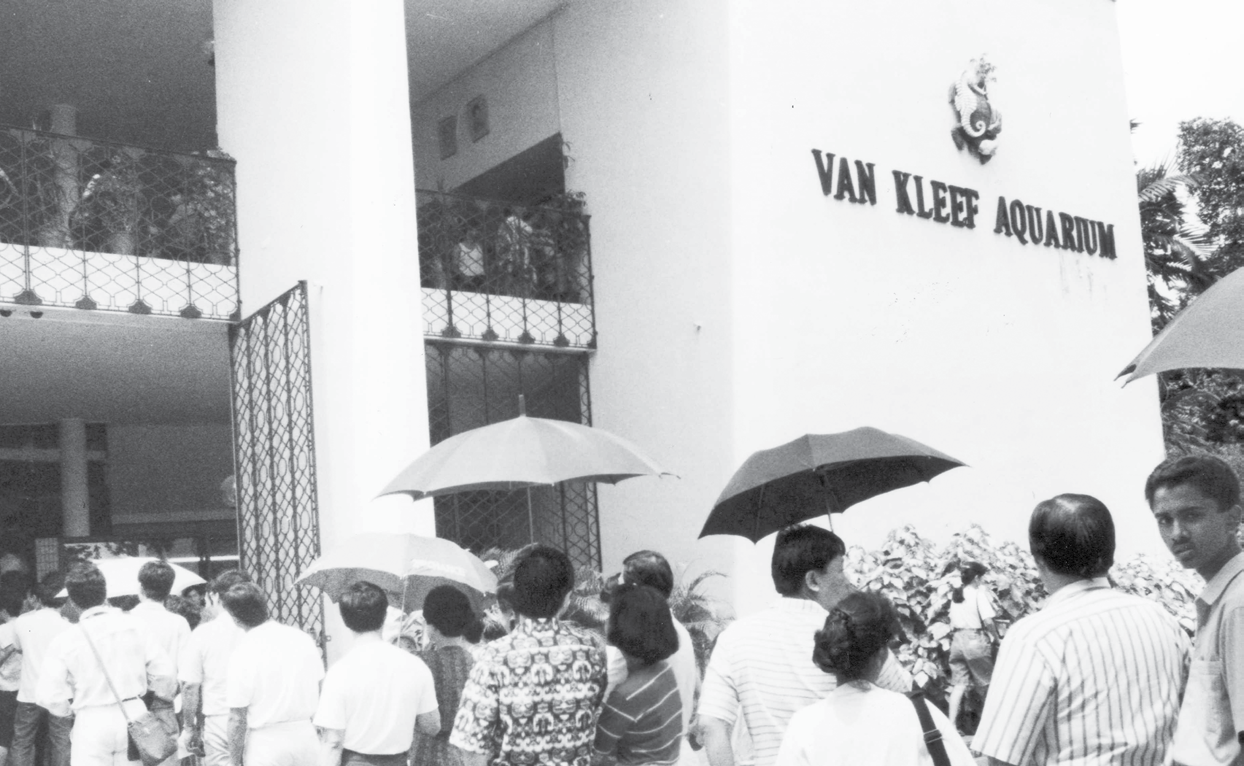
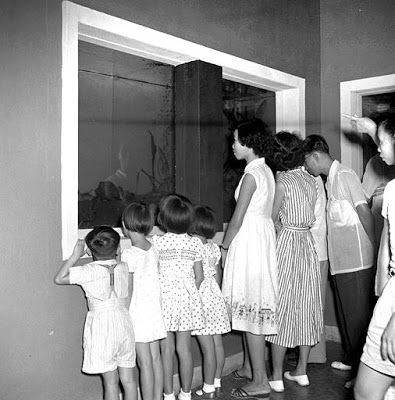
What: In September 1955, a fully-conditioned oceanarium named after Karl Willem Benjamin Van Kleef, a Dutch who resided in Singapore from the 19th to early 20th century, opened its doors. Van Kleef bequeathed his entire fortune to the Singaporean government after his death, for the “embellishment of the town”. The oceanarium housed 6,500 marine creatures of 180 different species. When Underwater World opened in 1991, most visitors went there instead. The Van Kleef Aquarium subsequently closed in 1991, with the building being torn down in 1996.
If you miss this, you might also like: S.E.A Aquarium
Where: On a now-demolished Imbiah Lookout entertainment zone portion on the island
What: The locals also know it as the Musical Fountain, or the Magical Fountain of Sentosa. After 25 years, the Musical Fountain ceased operations on 26 March 2007 and was demolished in the same year. The area could fit more than 5,000 people and five different shows were hosted throughout the years it was in operation. The well-known Magical Sentosa show ran during the fountain’s last five years of operation.
If you miss this, you might also like: The Light & Water Show at Marina Bay Sands
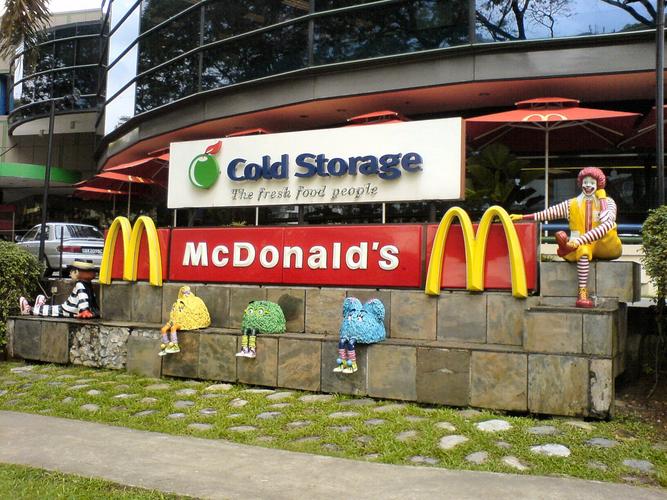
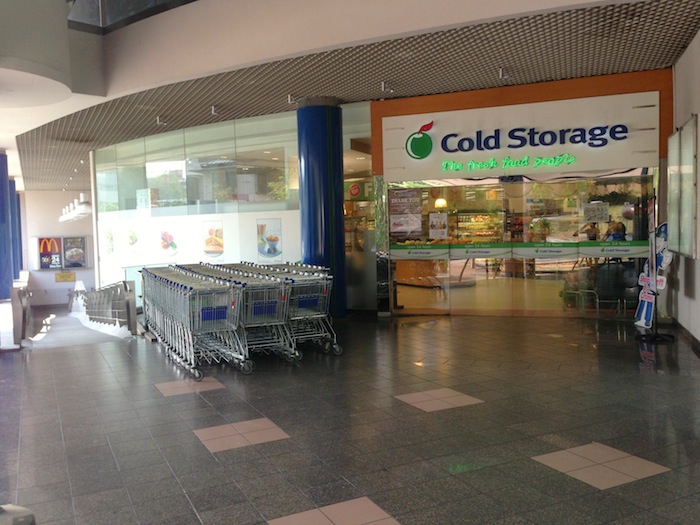
What: Affectionately known as KAP to residents and students who frequented the place, this 5,534.8 square meter space was pulled down for residential and commercial redevelopment after Oxley Holdings’ $150 million acquisition. The McDonald’s corporate headquarters was housed in KAP, along with one of Singapore’s largest McDonald’s, Cold Storage, Spinelli, Island Creamery and Cinta Mania. Since its opening in 1991, King Albert Park ceased operations on 16 March 2014.
If you miss this, you might also like: Bukit Timah Plaza, which is just a stone’s throw away. Same quaint concept, not quite the same awesomeness though.
What: After more than 30 years of service, the iconic East Coast Park McDonald’s closed its doors on 18 March 2012. Its landlord, the National Parks Board had plans for redevelopment in the area and this McDonald’s outlet is intended to be moved to a location 1.5km away, to East Coast Seafood Centre.
If you miss this, you might also like: Kallang McDonald’s
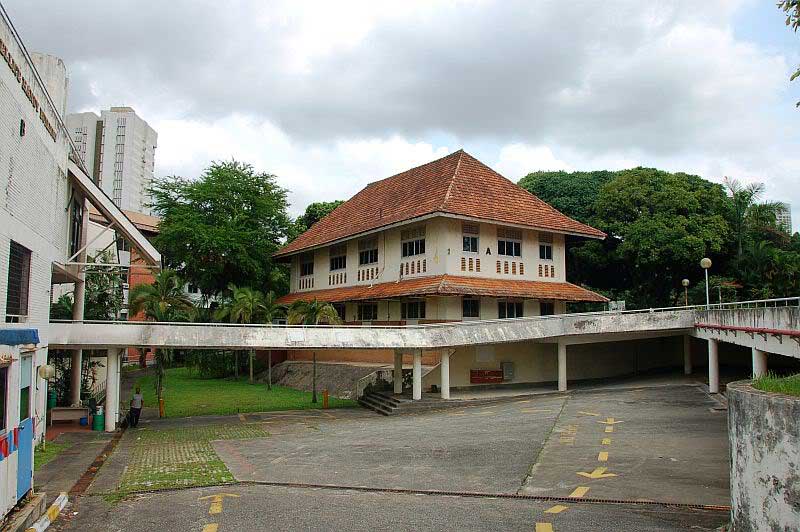
12. Former Methodist Girls School (MGS) at Sophia Hill
What: Founded on 15 August 1887, Miss Sophia Blackmore’s mission was to provide girls an education. Its humble beginnings saw nine girls whose fathers wanted them to be educated in a period where girls were not encouraged to go to school. Their fathers, who were all Tamil businessmen, donated money and furniture, and helped convert the rent-free shophouse into Tamil Girls’ School, the predecessor of MGS. In 1992, the overwhelming number of students resulted in the school’s shift to Blackmore Drive.
If you miss this, you might also like: The current MGS, along Blackmore Drive
Where: At the corner of Clemenceau Avenue and River Valley Road
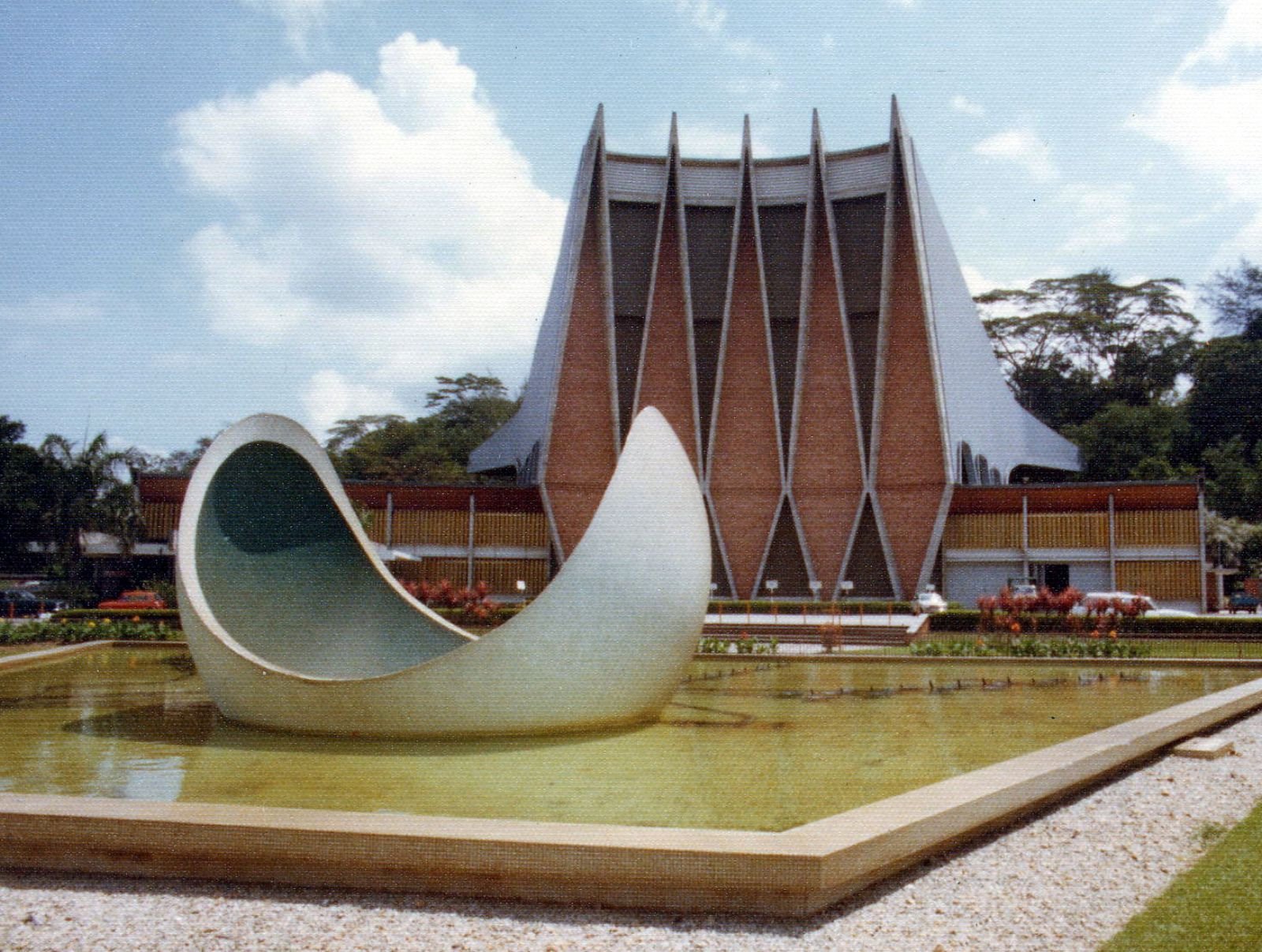
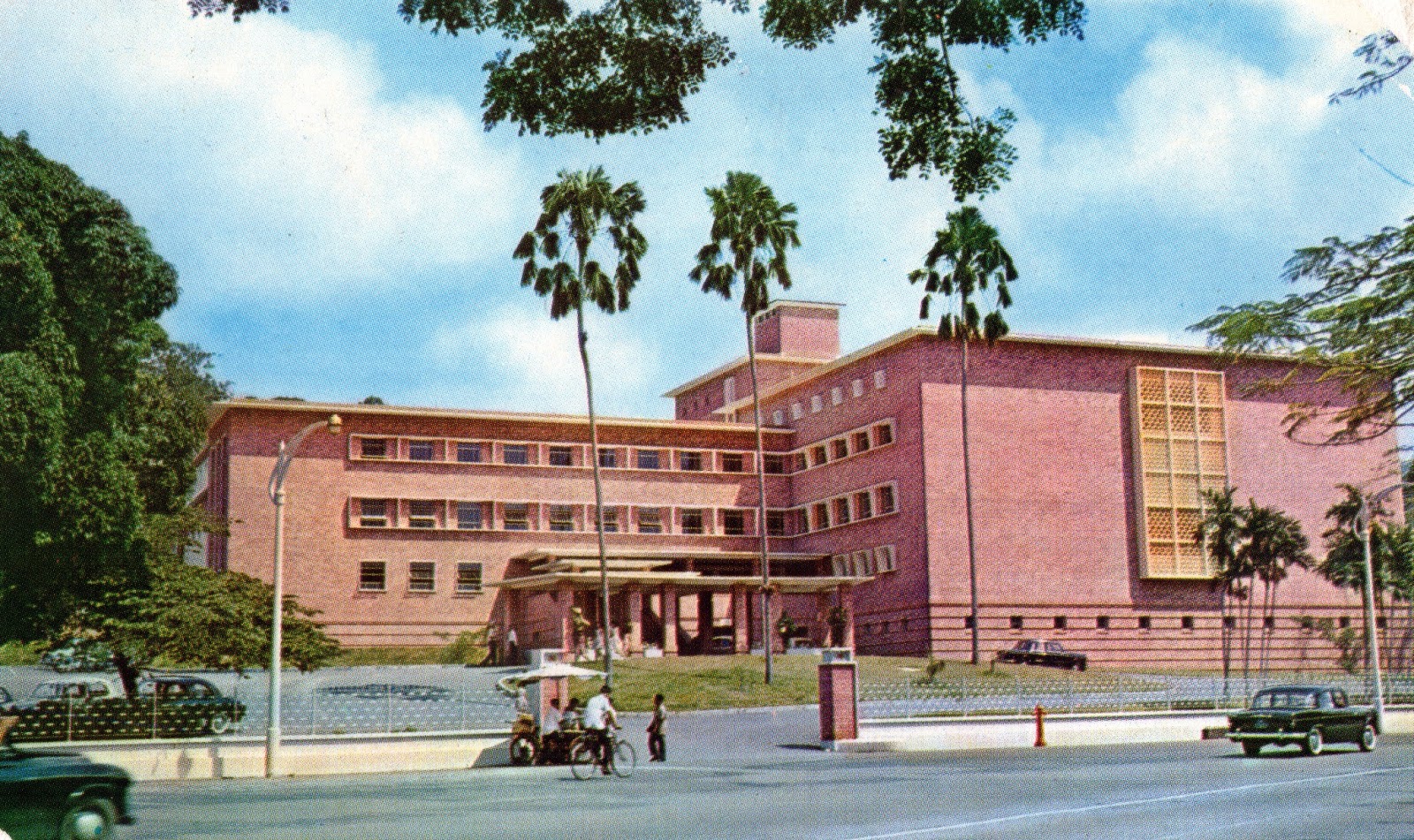
What: To commemorate Singapore’s self-governing achievement in 1959, the National Theatre was erected as a public theatre for concerts, performances and conferences. It was selected as the venue for the first Southeast Asian Cultural Festival in 1963’s opening premiere, despite being only partially completed. In 1984, the theatre was declared structurally unsafe and closed. It was torn down in 1986 for the construction of an expressway.
If you miss this, you might also like: The Esplanade
What: A historical building, the Old National Library Building was completed in 1960. On 31 March 2004, the library was closed despite public dissent, and eventually demolished for the construction of Fort Canning Tunnel to ease traffic to the city. This move resulted in a greater awareness of Singapore’s cultural roots and gained greater public favour of heritage conservation.
If you miss this, you might also like: National Library at Victoria Street
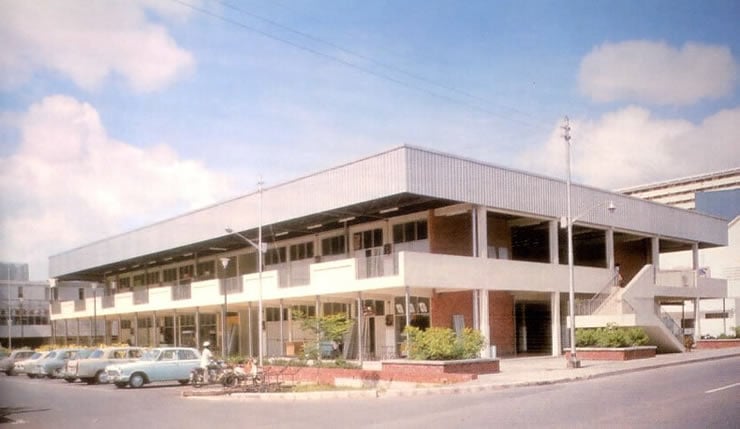
What: A two-storey food centre built in 1969, it housed at least 80 stalls. With delectable local delights like Hainanese chicken rice, Teochew fishball noodle, popiah and char kway teow, Commonwealth Avenue Food Centre was always crowded during lunch hours.
If you miss this, you might also like: Chinatown Food Centre
What: A former waterpark that saw a major facelift – now named Playground at Big Splash, a dining and recreation area. Build in 1977, the main attraction of Big Splash waterpark was the 85-metre long water slide, dubbed the world’s highest, longest slide. Its initial popularity declined and it closed in 2006 for redevelopment. The slides were pulled down when Big Splash reopened in March 2008.
If you miss this, you might also like: Sengkang Swimming Complex
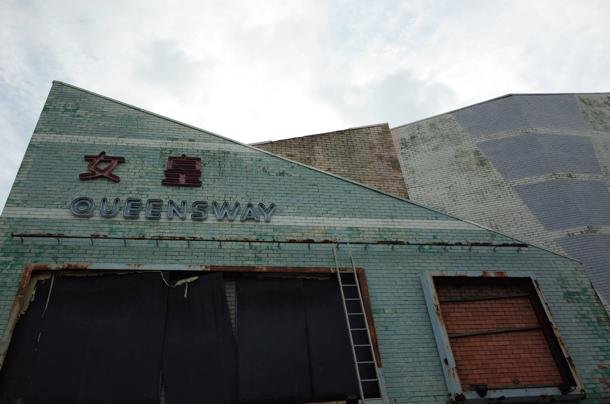
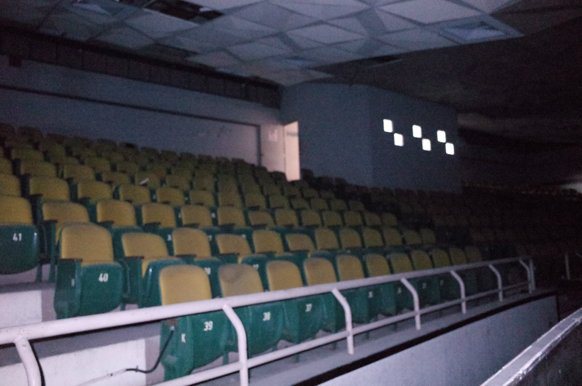
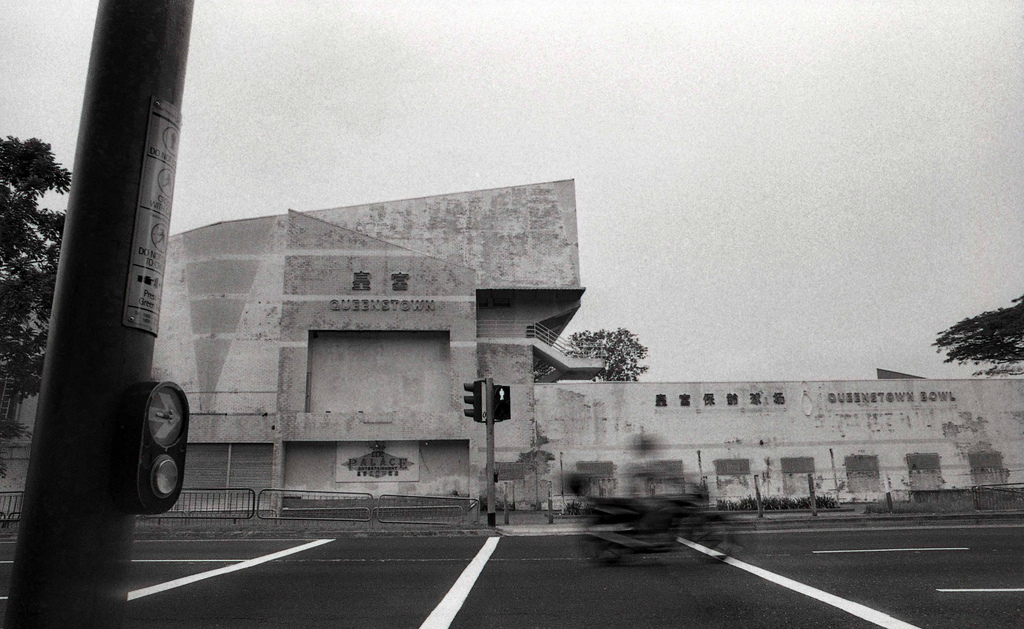
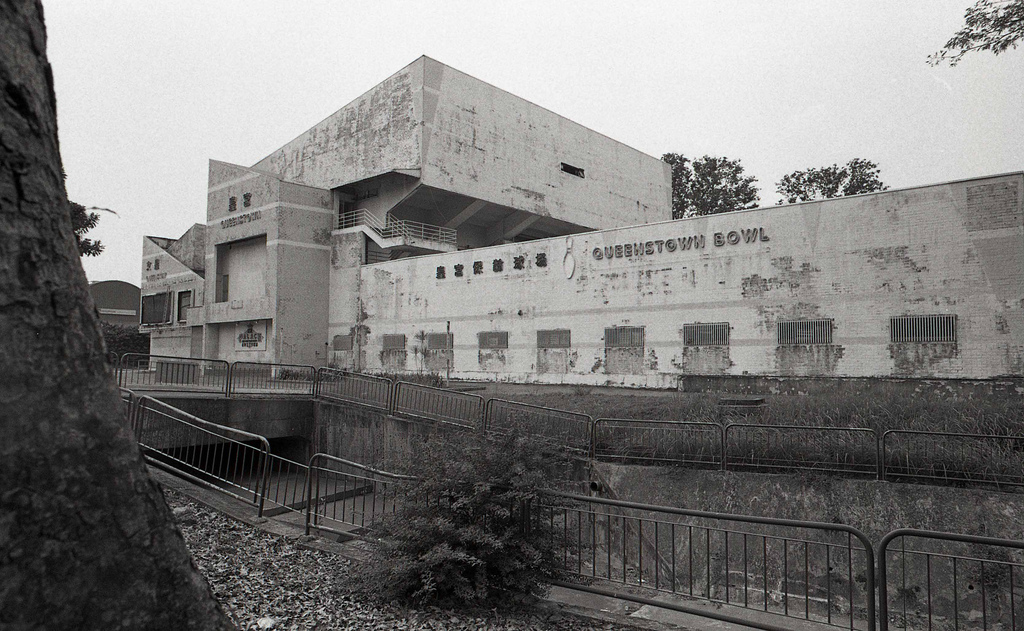
Where: Opposite Queenstown MRT Station, Queensway Centre
What: The 1,715-seater cinema was built in 1977 and became a popular hangout for students and residents. The cinema had two movie halls and two screens, a spectacular feat for its time. Its heyday saw meandering queues outside the box office on weekend nights, with tickets costing around S$6. In 1999, the cinemas ceased operations.
If you miss this, you might also like: Take your pick from the myriad of cinemas sprawled across the island. But in case you can’t make up your mind, we recommend City Square Mall’s Golden Village. Did you know they have an auditorium with a unique 42-seater ‘Couple’s Cinema’?
What: An 18-lane bowling alley that opened in 1976. After Queenstown/ Queensway cinemas ceased operations, the bowling alley lingered on for a few more years before it was gone for good in 2000.
If you miss this, you might also like: Superbowl Marina Square
What: Queenstown Remand Prison was officially opened on 23 September 1966 to curb overcrowding at Outram Prison. Famous inmates include author of Singapore, My Home Too, Chee Soon Juan and American teenager Michael Fay.
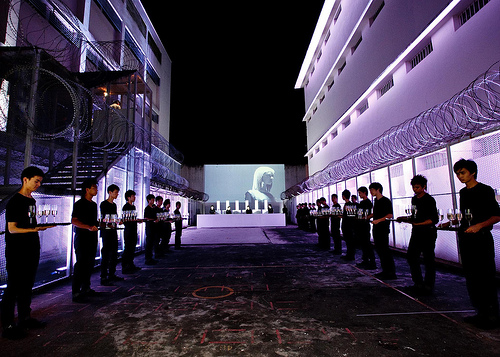
In 2010, just before Queenstown Remand Prison was slated to be torn down, Calvin Klein spent a night in the Remand Prison to showcase its Spring 2010 collection and invited celebrities like Ethan Ruan, Cynthia Koh, and Allan Wu, amongst many others.
If you miss this, you might also like: Changi Prison (just don’t get locked up for good)
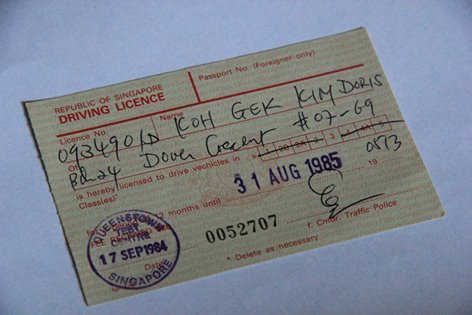
This was how a Provisional Driving License (PDL) at Queenstown Driving Centre looked like:
Where: Between Commonwealth Avenue and Dundee Road
What: The latest on the list to be demolished, the public was invited to Queenstown Driving Centre on 13 December 2014 for the last time to bid farewell. Singapore’s second driving test centre, the Queenstown Driving Test Centre was built in 1968, costing $285,000. The centre was about the size of two football fields of 10,500 square meter. Up to 300 Highway Code and driving tests were conducted a day, with 14 driving instructors. Interestingly, a contrast from today’s computerised theory tests, candidates had to ‘drive’ a miniature toy car modelled with pedestrian crossings and traffic lights.
If you miss this, you might also like: ComfortDelGro Driving Centre, Bukit Batok Driving Centre, Singapore Safety Driving Centre (although there’s nothing to see unless you enjoy car-watching)
How many places on this list have you visited and which are the ones you miss most?
Four people were yesterday charged with cheating a ministry and three statutory boards by inflating the expenditure on Hari Raya decorative lights.
Three of the four charged were former members of the Malay-Muslim community organisation Majlis Pusat — its former secretary-general Saharudin Kassim, Gazaly Malek and Abdul Ghani Tahir. Local businessman Salleh Sam was the fourth to be charged.
They face between five and 11 charges of abetting to cheat the then Ministry of Community Development, Youth and Sports, Singapore Tourism Board, National Population and Talent Division and the Tote Board by inflating the expenses in amounts ranging from S$130,768 to S$351,241 in 2011 and 2012.
Saharudin was also accused of conspiring with Abdul Ghani and Gazaly to falsify the income and expenditure statement of Majlis Pusat’s Hari Raya light-up and celebrations in 2011 — and again in 2012 with Gazaly — inflating the expenses as a result.
In total, the ministry and statutory boards disbursed S$914,511 to Majlis Pusat for the lights.