Tag: Halal food

  • Should Food Delivery Services Here Have 2 Delivery Boxes For Halal And Non-Halal?

    Should Food Delivery Services Here Have 2 Delivery Boxes For Halal And Non-Halal?

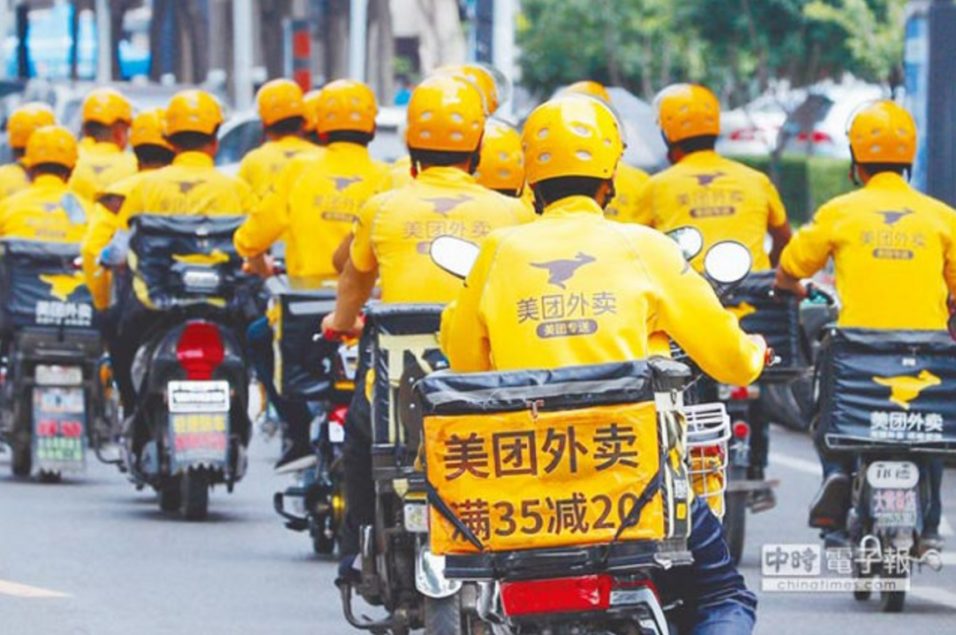
    China’s Meituan stirred up controversy online after announcing that it will begin offering separate logistics infrastructure for halal food, causing Chinese netizens to condemn the company for “discriminating against” non-Muslims while also worrying about the “rise of Islam” in their country.

    Meituan couriers on bikes will now be armed with two delivery boxes, a normal one for non-halal food and a smaller one for halal food. Netizens viewed the change as discriminatory and vowed that they will delete the app en masse.

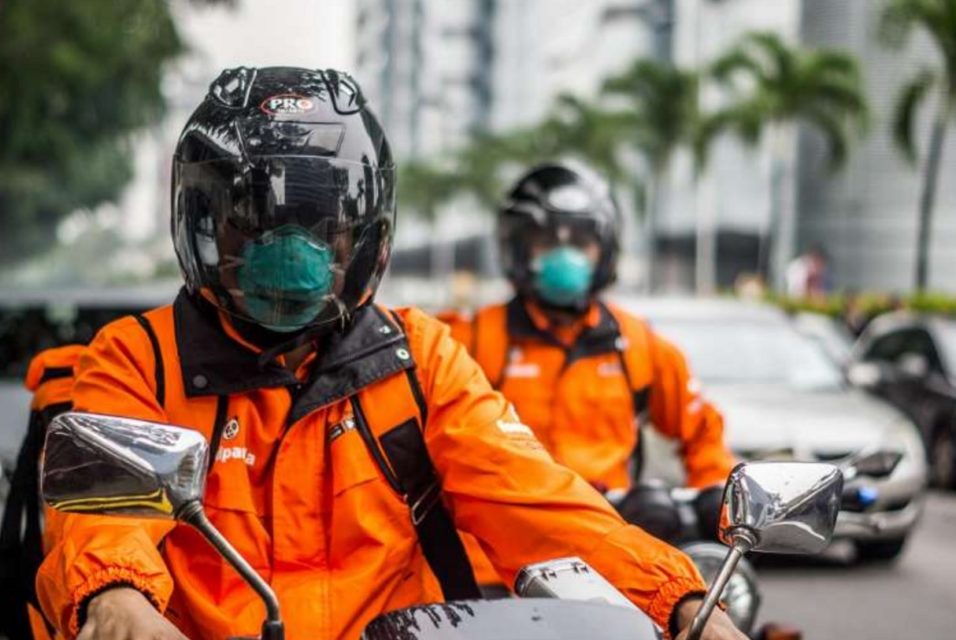
    In Singapore, food delivery services like Ubereats, Foodpanda, Deliveroo and several others are the bike couriers we see day to day on the streets delivering food both (halal and non-halal) to their destinations.

    These couriers store their delivery items inside a bag with their own company name imprinted on it. They do not carry two delivery boxes like what Meituan’s is trying to implement.

    However is not clear though if the bag has compartments inside to separate non-halal from halal food. Or are there dedicated riders to deliver only halal food and only non-halal food? If not, should Singapore follow what Meituan is doing to safeguard the sanctity of minority food?

    We also know that there are Malay riders who do not mind sending orders or food that are not halal. Can we hope for a change to this in the near future?


    Rilek1Corner


  • Angry Netizens Deleting Meituan En Masse After Delivery App Introduces Separate Boxes For Halal Food

    Angry Netizens Deleting Meituan En Masse After Delivery App Introduces Separate Boxes For Halal Food

    Popular food delivery app Meituan has stirred up controversy online after announcing that it will begin offering separate logistics infrastructure for halal food, causing Chinese netizens to condemn the company for “discriminating against” non-Muslims while also worrying about the “rise of Islam” in their country.

    Meituan couriers on bikes will now be armed with two delivery boxes, a normal one for non-halal food and a smaller one for halal food, the company announced recently, a change that many netizens apparently see as discriminatory, vowing that they will delete the app en masse.

    One Weibo thread on the controversial topic currently counts nearly 50,000 comments. “Meituan is really acting outside natural morality,” reads the top comment with more than 18,000 likes. Meanwhile, other Weibo users have more specifically charged the company with discriminating against Han people, wondering why separate delivery boxes are not also offered for them or for Buddhists or for people with other religious beliefs which affect their diet. “I don’t like to eat lamb, can I have my own separate delivery box as well?” asked another Weibo user.

    “Meituan delivers both halal food and non-halal food. That really isn’t proper or harmonious. In order to safeguard the sanctity of minority food, we non-halal diners should start using Ele.me [another popular delivery app] instead. That way Muslims will have their own halal app,” argued another netizen, joining calls online to boycott Meituan and delete the company’s app.

    Others have voiced their dissatisfaction with the policy change in different ways. For instance, Twitter user @kitmention points out one netizen who asked Meituan on Weibo to: “Please put my pork soup in your halal-only delivery box.”

    meituan_halal3.jpg

    Meanwhile, some netizens have wondered who exactly is discriminating against whom in this matter. In one popular post, a Weibo user asks “Have anyone’s rights been hurt?” by this logistics change, adding that if you believe that Muslims are really unfairly forcing you to accommodate to their religious beliefs, then are you not also committing the same sin by raising a fuss and calling for a boycott over this issue?

    In response to this argument, another Weibo user has argued that, in fact, separate boxes mean increased delivery costs that will be borne by all customers, not just halal ones, so the change will have direct consequences on the app’s users. And, as for the negative societal effects of such a policy, the netizen worried about how continuing to cater to religious customs could lead to problems down the road, arguing that consumers should be free to vote with their wallets to support or not support Meituan’s new halal boxes.

    More broadly, the controversy over halal delivery boxes appears to have reawakened ethnic fears among Chinese netizens against Muslims. A post by one female business owner on “rising Islamization,” which includes screenshots of a rather Islamophobic story, has gone viral on Weibo with nearly 40,000 shares. The comments below the post are filled with netizens condemning Islam and cautioning their Han brothers and (especially) sisters to be careful about the creeping influence of Islamic culture.

    Founded in 2010 and headquartered in Beijing, Meituan started life as a group buying website that emerged in the wake of the Groupon craze. It merged with restaurant reviews app Dianping in 2015 to form Meituan-Dianping, which now claims to be the world’s largest on-demand delivery platform, receiving up to 10 million orders every day.


    Source: http://shanghaiist.com

  • Japan’s Restaurant Look To Cater To The Halal Food Industry

    Japan’s Restaurant Look To Cater To The Halal Food Industry

    TAITO WARD — In a sushi restaurant in Tokyo, a group of customers is shuffling in. They first take a quick glance at the menu to check if there’s anything that might go against halal rules.

    The restaurant is only one of many in Japan that are looking to the halal food market to expand their business, as visitors from predominantly Muslim countries such as Indonesia and Malaysia are increasingly visiting Japan.

    However, there are also difficulties they face in catering to these customers.

    “In Japan, places where they handle halal seasoning are very limited,” said manager of Sushi Ken Masao Ito. “I have had difficulty getting my hands on them. The fish itself is not a problem. (But) another problem is processed food.”

    However, they have managed to find alternatives. At Sushi Ken, the seasoning is made in-house. The radish roll tastes a little different, but is still delicious. At another Yakiniku, or grilled meat restaurant, its owners are doing even more to obtain halal certification.

    “They have to change all their ingredients, items,” said chairman of the Japan Halal Foundation, Mohamed Nazer.

    The restaurant has even prepared a whole new kitchen to be able to serve halal meat. According to its manager, the cost of doing so has been high, though he stopped short of unveiling the exact amount.

    “If things work out, we would like to be a halal meat wholesaler to expand business,” said manager of Pangu, Hiroaki Sato.

    The restaurant eventually earned a stamp of approval, a boon for Muslims diners as a mosque is located nearby.

    ‘MUSLIMS CAN ENJOY WITHOUT ANY WORRIES’ 

    Taito ward now has 17 restaurants with halal certification, a huge step up from when there were only Indian restaurants serving halal food in the past. This change is in part due to subsidies of up to US$820 offered by the local city government, part of a scheme that started in October.

    They used to have only Indian restaurants serving halal menus. This change is partly due to subsidies of up to 820 US dollars offered by the local city government, thanks to a system launched in October.

    “When you travel, you want to enjoy the food of that country, the regions, and if that cannot be done here in Taito ward, it’s sad,” said director of tourism at Taito City office, Takuji Kwai. “We offer lots of delicious food. So we decided to create an environment where Muslims can enjoy without any worries.”

    A growing number of local governments are also trying to encourage more of their businesses to cater to Muslim visitors. The halal exhibition in Japan is one that has seen success, with an increase of 80 exhibitors last year to 120 this year.

    “Japan is not a Muslim country so the market is very small,” said chairman of the Japan halal Expo Executive Committee, Yoshichika Terasawa, Chairman. “It’s gradually expanding. But it depends on Muslim visitors to Japan. I hope more food suppliers (and) exporters go to the cities to find their new market, the Muslim market.”


    Source: www.todayonline.com
  • 10 More Hawker Centres To Be Built Over Next 12 Years

    10 More Hawker Centres To Be Built Over Next 12 Years

    The Government will build 10 more hawker centres over the next 12 years, located in new estates or existing ones that are relatively under-served, said Second Minister for the Environment and Water Resources Grace Fu today (March 11).

    Speaking in Parliament during debate on the ministry’s budget, Ms Fu said five of these centres will be located in Bidadari, Sengkang, Choa Chu Kang, Bukit Panjang and Bukit Batok. The remaining locations will be made known later in the year.

    In 2011, the ministry announced that 10 new hawker centres will be built over 10 years. The first two centres in Bukit Panjang and Hougang will open this year. Taken together, the 20 new hawker centres centres will add more than 800 cooked food stalls and help to further moderate rentals, said Ms Fu.

    Today, Members of Parliament (MP) raised concerns on rising rental prices, the feasibility of the social enterprise model for hawker centres, among other issues.

    Mr Yeo Guat Kwang (Ang Mo Kio GRC) noted that existing and potential hawkers are concerned with impact of the outsourcing model on stall rentals, while consumers worry if increases in rental will translate to higher prices.

    Ms Fu said that findings from an annual survey of more than 1,000 hawkers showed that rentals take up only 12 per cent of hawkers’ total costs. On the other hand, cost of raw materials took up more than half the total costs, while manpower, utilities, table-cleaning and other costs took up 17, 9 and 3 per cent of the total costs respectively. The survey used data from the National Environment Agency’s Cost Component Survey of hawker cooked food stalls in 2012 and 2013, as well as price data from the Department of Statistics.

    Among the hawker stalls which experienced rental changes, more than half did not change their food prices, according to the survey. “Hence, there is little substantive evidence to say that rentals are the main driver of hawker food prices,” said Ms Fu.

    She also noted that the Government has taken steps over the last few years to moderate rentals to ensure it does not drive up food prices. Currently, sub-letting or assignment of stalls is prohibited for stallholders. Following a three-year grace period, all non-subsidised stallholders also have to personally operate their stalls from April, she added.

    Both Dr Lee Bee Wah (Nee Soon GRC) and Mr Yeo also asked about the new management model of hawker centres, where they are operated by social enterprises on a “not-for-profit” basis.

    In response, Ms Fu said as these managing agents have only run these models for a short period of time, time will be needed before assessing their effectiveness.


    Source: www.todayonline.com