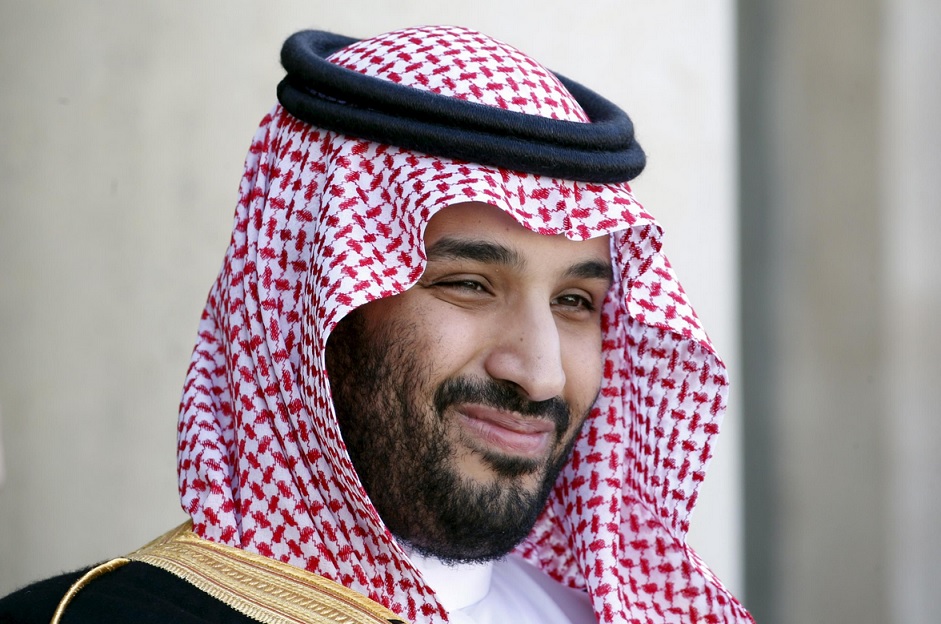
As his country experiences the early pangs of a cultural and economic transformation, Saudi Arabia’s crown prince vowed Tuesday to destroy “extremist ideologies” in a bid to return to “a more moderate Islam.”
Speaking at the Future Investment Initiative conference in Riyadh, Crown Prince Mohammed bin Salman said the moves will put the kingdom in lockstep with many other nations as it seeks to transform its economy over the coming decades.
“We want to lead normal lives, lives where our religion and our traditions translate into tolerance, so that we coexist with the world and become part of the development of the world,” he said.
It’s a move sure to rile the ultraconservative clerics who have held sway in the kingdom, even if that sway appears to be waning. At the same time, the prince’s declaration will be heralded by Saudi Arabia’s increasingly youthful population and the outside world, on whom the kingdom will rely in its quest to overhaul its finances.
“Seventy percent of the Saudi population is under the age of 30. In all honesty, we will not spend 30 years of our lives dealing with extremist ideologies. We will destroy them today and immediately,” bin Salman said.
He continued, “Saudi was not like this before ’79. Saudi Arabia and the entire region went through a revival after ’79. … All we’re doing is going back to what we were: a moderate Islam that is open to all religions and to the world and to all traditions and people.”
Conference attendees broke into applause.
‘Righteousness is on our side’
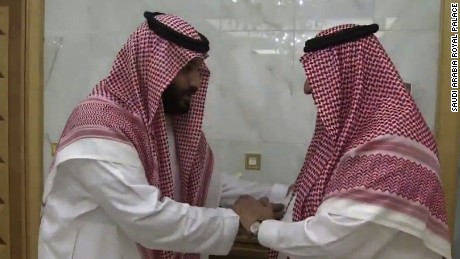
Royal shake-up in Saudi Arabia
Bin Salman’s reference to 1979 was doubtless a nod to a tumultuous year for Saudi Arabia that included Shiite militants overthrowing the secular Shah of Iran and Sunni fundamentalists seizing the Masjid al-Haram, or Grand Mosque, in Mecca. That same year, the country’s Shiite minority staged a deadly revolt in Al-Hasa province.
The Saudi monarchy responded by shoring up ties with the Wahhabi religious establishment and restoring many of its hardline stances. For instance, it shut down the few movie theaters in the kingdom.
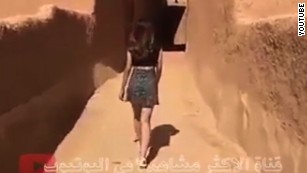
Saudi police release woman in miniskirt video
Wahhabism is a form of Islam that bans the mixing of sexes in public and puts myriad restrictions on women — among them, the requirement that they need permission from a male guardian to work or travel. Saudi Arabia’s religious police were given great leeway to enforce the restrictions.
The tentacles of Wahhabism reached deeply into Saudi life, influencing its courts, politics and foreign policy, as elder kings with tight relations to the religious establishment ruled for the next few decades.
In 2015, King Salman bin Abdulaziz Al-Saud took the helm, along with bin Salman, ushering in a new era of Saudi politics. The king promoted bin Salman to crown prince, making him heir apparent, in June.
The two curbed the authority of religious police, taking away their power to arrest citizens. They allowed the first music concerts in decades, cracked down on religious incitement and granted women a growing list of rights — most notably the right to drive, which will take effect next year.
“Some clear steps were taken recently and I believe we will obliterate the remnants of extremism very soon,” bin Salman said at Tuesday’s conference. “I don’t think this is a challenge. It reflects our values of forgiveness, righteousness and moderation. Righteousness is on our side.”
The challenges ahead
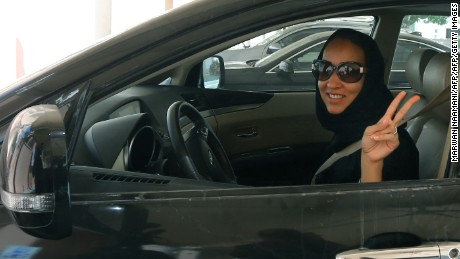
Saudi activist hails end of ban on women driving
Watchdog groups say Saudi Arabia has a long way to go. Weeks ago, the kingdom said it planned to indict “radical” Twitter users who were “harming the public order.”
Amnesty International, Human Rights Watch and the Committee to Protect Journalists have reported in recent months that the kingdom still targets peaceful activists and jails reporters, while state clerics incite hatred against the Shia minority and the Saudi-led coalition in Yemen perpetrates crimes against children.

Little girl opens the world’s eyes to Yemen conflict
In applauding the move to allow women to drive, Human Rights Watch’s Liesl Gerntholtz told CNN last month that Saudi women still face a plethora of hardships in daily life — namely laws that govern the guardianship of women.
“This prohibition on driving is just one in a vast series of laws and policies which prevent women from doing many things,” she said. “The guardianship rule stops women from making every decision in her life without the assistance of a male relative, even if that relative is her 7-year-old son.”
It’s also worth noting that while the world and many in Saudi Arabia — including the Saudi Senior Scholars Council, the kingdom’s highest religious body — commended the royal order allowing women to drive — many Saudis took to Twitter to promote the hashtag, #The_People_Refuse_Women_Driving, as Wahhabi sheikhs predicted, “This is the end of Saudi.”
Economy, culture collide
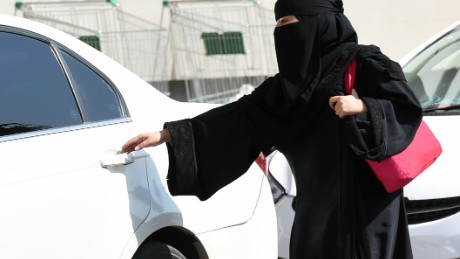
Spokeswoman defends progress in Saudi Arabia
While permitting women to drive might seem like a cultural move, bin Salman also painted it as an economic one that will bring more women into the workforce. It’s no coincidence that he raised the economic aspect of pursuing a more tolerant Islam as he delivered his remarks at the investment conference in the Saudi capital on Tuesday.
The crown prince faces the daunting task of revamping the Saudi economy, and quickly. He is spearheading a reform plan called Vision 2030 that aims to wean Saudis off government aid and diversify an economy almost wholly dependent on oil.
Oil, whose prices have dropped precipitously in recent years, directly or indirectly employs roughly 70% of the population. Meanwhile, Saudis pay no taxes and receive free education, free health care and subsidies for most utilities.
In 2015, the International Monetary Fund forecast that the Saudi economy would run out of financial reserves by 2020.
The government has been able to reduce subsidies for gas and water. There is a proposal to sell a chunk of the state-owned oil company, Aramco, which could raise a substantial sum. On the flip side, efforts to cut bonuses and benefits for Saudi government officials did not pan out and the notion of taxing Saudis is a nonstarter.
Minister-in-charge of Muslim Affairs Yaacob Ibrahim has urged Malay voters to think wisely and consider the progress the community had made in partnership with the People’s Action Party (PAP) government when they cast their votes on Friday (Sept 11).
“By and large, the Malay community has something good going for them here,” Dr Yaacob said on Wednesday (Sept 9). “I hope they will think wisely and vote wisely (for) their future.”
The improvements in 50 years have been “tremendous” in such areas as education and religious life, and Dr Yaacob said he foresees his community continuing to benefit from the PAP Government’s programmes.
Speaking to reporters after a morning visit to the Beo Crescent market to woo voters, he also addressed the issue of Muslim women not being allowed to wear headscarves in certain jobs. One such case is nurses in government hospitals.
He said the PAP’s Malay MPs, including himself, are sympathetic to those facing such restrictions and have raised the matter with Prime Minister Lee Hsien Loong.
“PM Lee has said the policy is not cast in stone. To me, that is a very good sign,” added Dr Yaacob, who is Minister for Communications and Information.
The issue has been raised on the hustings by some opposition parties who have charged the interests of the Malay-Muslim community have not been sufficiently looked after.
Dr Yaacob noted that generally, there are no restrictions on Muslim women wearing headscarves in the wider community.
But at workplaces with restrictions, he pledged to continue to work with employers to accommodate headscarves “in a flexible way”.
He is confident the change “will come in time”.
He also noted that like others, the Malay community is not problem-free.
“But the important thing is whether we are dealing with them.”
He appealed to Malay voters to be patient as it takes time to solve the problems. “We don’t have a magic wand. The opposition believe they can solve all the problems in five years. I will be very surprised (if they do),” he added.
Looking ahead, he sees government programmes like Fresh Start Housing Scheme improving further his community’s quality of life.
The scheme to help second-timer rental households own a two-room flat was announed by PM Lee at the National Day Rally last month.
Noting it will benefit many Malay families, Dr Yaacob said: “Whenever I come across Malay families, I ask them and they tell me they want to get out of rental housing… and have a permanent home.”
Despite transiting from a majority community in Malaysia to a minority community in Singapore on Aug 9, 1965, the Malay community in Singapore has “developed and matured in ways we never imagined”, said Minister for Communications and Information Yaacob Ibrahim today (July 31).
Speaking at the annual Hari Raya gathering he hosted together with other Malay-Muslim Members of Parliament, Dr Yaacob noted that today, the Malay community includes active leaders and volunteers, is highly skilled and qualified, sought after both at home and abroad, and whose children excel in both the academic and non-academic spheres, he said.
“We are what we are today – with higher household incomes, high home ownership, talents in many fields, movers and leaders in our own right – not because of privileges, not because of subsidies, but because we persevered and gave our best,” added Dr Yaacob, who is also Minister-in-Charge of Muslim Affairs.
The community is proud of its history, customs and traditions and its heritage has never been at risk even as a minority community in a multi-racial country, he said.
The National Heritage Board will be gazetting the Istana Kampong Gelam as a national monument on Aug 6, making it the 70th site to be gazetted alongside other historical landmarks.
Gazetting the Istana Kampong Gelam – which houses the Malay Heritage Centre today – just before Singapore’s 50th birthday is a “firm recognition of the Malay community’s continued contribution to the diverse and vibrant social tapestry of Singapore”, said Dr Yaacob.
He also said the Al-Istighfar Mosque in Pasir Ris will also be upgraded. Upgrading works will be done in two phases, starting with the construction of a temporary prayer facility next to the mosque in the first half of next year, followed by plans to build an extension to the existing mosque to cater for a permanent increase in prayer spaces.
The dinner was also attended by Prime Minister Lee Hsien Loong and Deputy Prime Minister Teo Chee Hean.
I congratulate Encik Masagos Zulkifli on his promotion. The issue of ‘one Muslim minister per cabinet’ has been brought up many times (i myself have talked to my MP about this), and credit where it is due, today there is change in this regard. I pray that he will be given strength and wisdom to discharge his responsibilities in the best of ways.
At the same time, i hope that our local newspapers will stop using phrases like ‘this marks the coming of age of Malay politicians’. Whether they realize it or not, such statements are really condescending.
For there to be true multi-racialism, formal progress (such as political appointments) must not be hampered by informal structures (such as ethnic stereotypes). Our media would do well to stop perpetuating – directly or indirectly – the myth of the lazy native and the ‘incompetent Malay’ stereotype.
Hopefully this is a start to greater things, and God-willing, one day we will even have a Minister of Defence or Finance who is Muslim.
Old buildings and infrastructure have to be demolished to make way for the new, in the face of rapid urbanisation and development of contemporary Singapore. Here are 20 places in Singapore that no longer exist, some making its disappearance more quietly than the others.
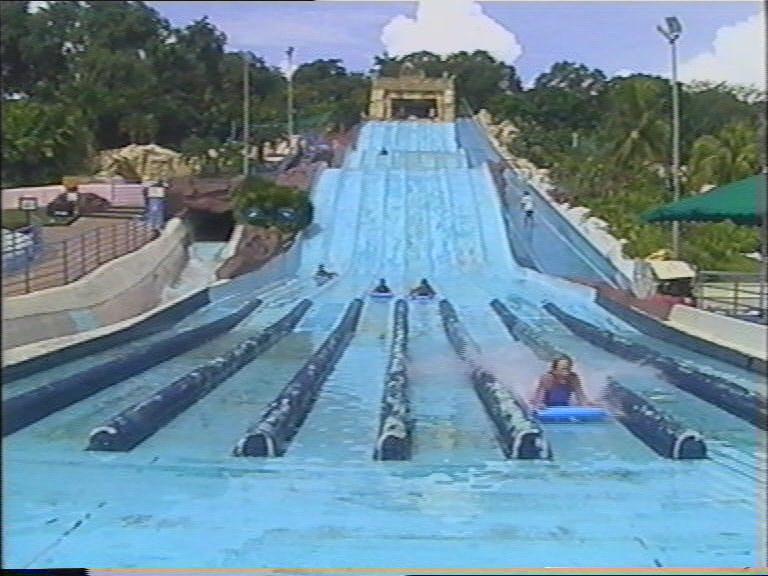
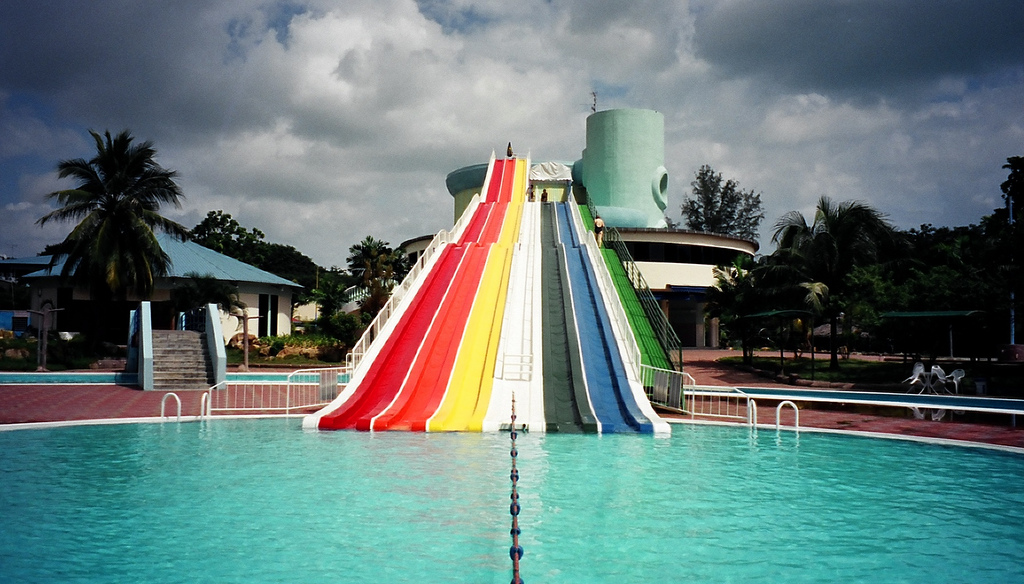
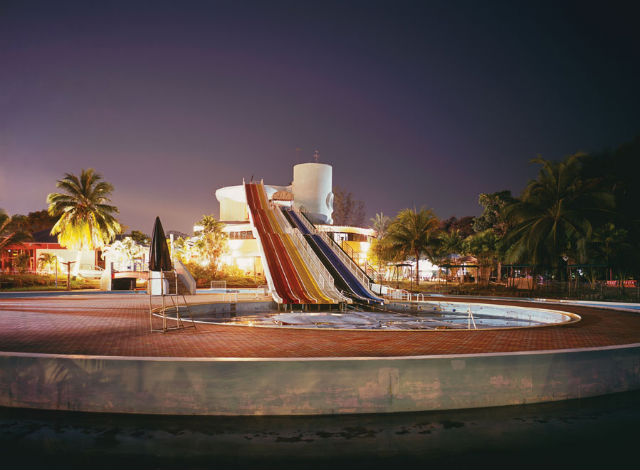
Where: Sentosa, where Universal Studios Singapore sits now
What: An iconic attraction in the 90’s, the $54 million water theme park was opened from December 1994 to 2 November 2002. The water park’s focal point was a huge eight-lane slide with water currents so hasty it could launch riders in mid-air momentarily. The compulsory entrance fee to Sentosa, on top of Fantasy Island’s entrance fee, coupled with inaccessibility due to limited SBS buses going into Sentosa, was a deterrent for many. Its demise was eventually accelerated with numerous media coverage of accidents and 2 deaths at the theme park.
If you miss this, you might also like: Wild Wild Wet
Where: Sentosa, No. 7, Artillery Avenue, before the Integrated Resort appeared
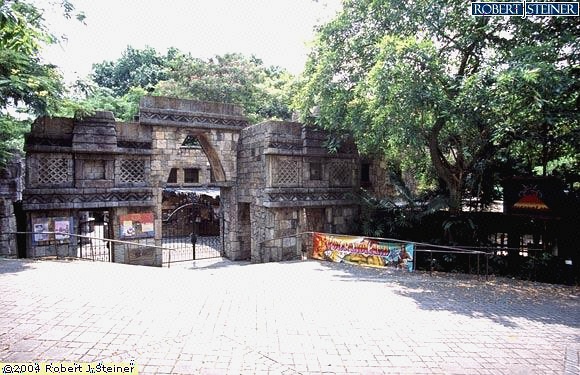
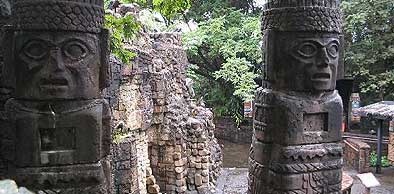
What: While Singapore may not have natural volcanoes, Volcano Land featured an artificial volcano, complete with Mystic Mayan motifs and scenery. A mythological explorer and his robot join visitors on their journey, which first starts with an ancient excavation. At the end, the Volcano Land show finishes off with a ‘volcanic eruption’.
If you miss this, you might also like: Science Centre, maybe?
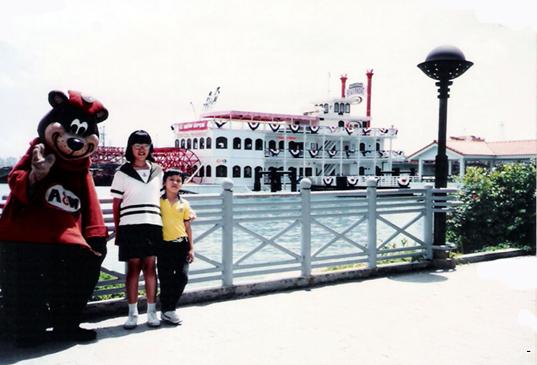
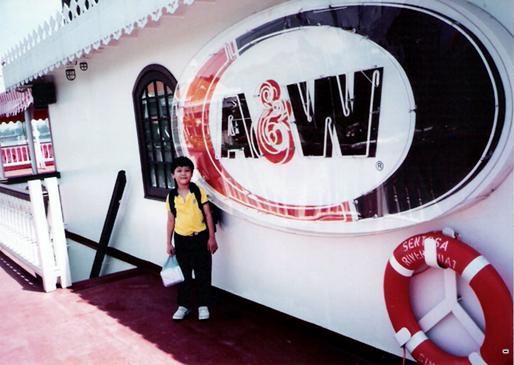
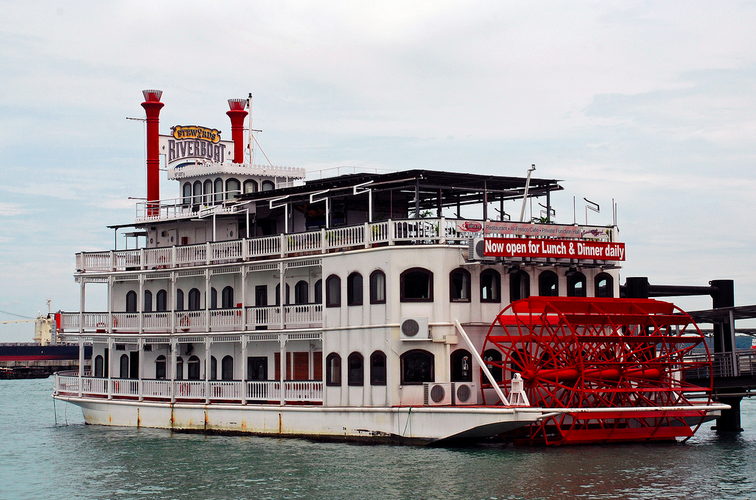
What: Built in 1991, this boat was home to Singapore’s floating A&W restaurant at Sentosa. Sadly, A&W fast food chain can no longer be found on the shores of Singapore. This vessel has since been revamped, now known as Stewords Riverboat and relocated to Marina South Pier, housing Santa Fe Tex-Mex Grill and Breaking Bread.
If you miss this, you might also like: Da bao A&W from Batam and smuggle dine onboard Stewords Riverboat at Marina South Pier
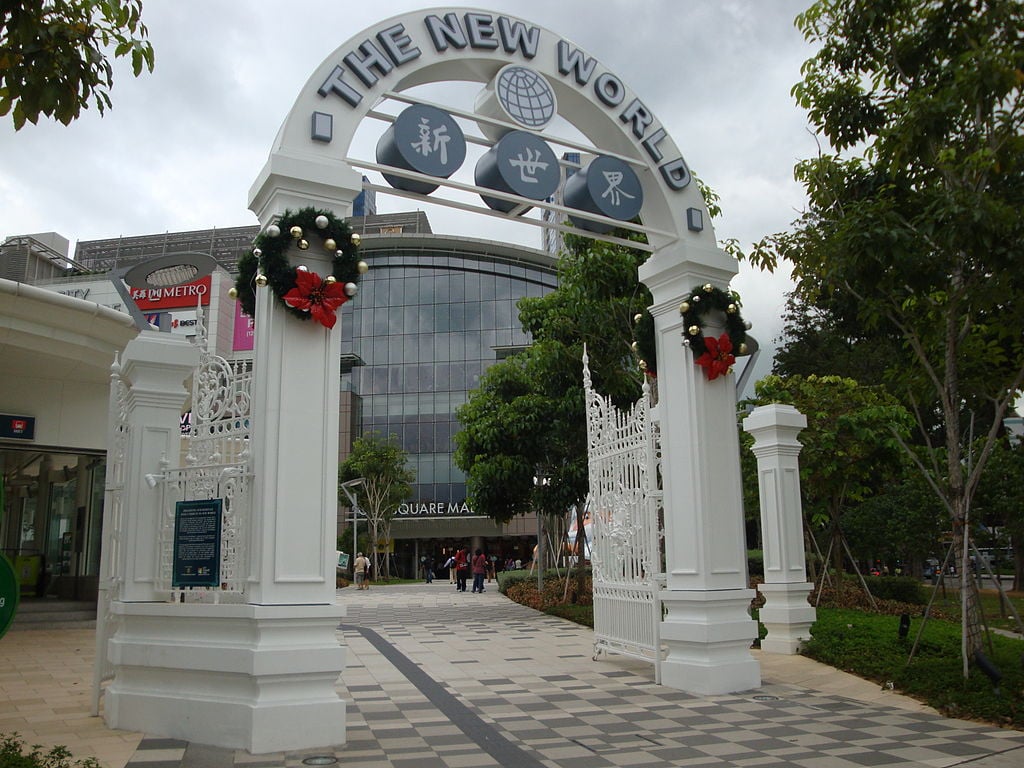
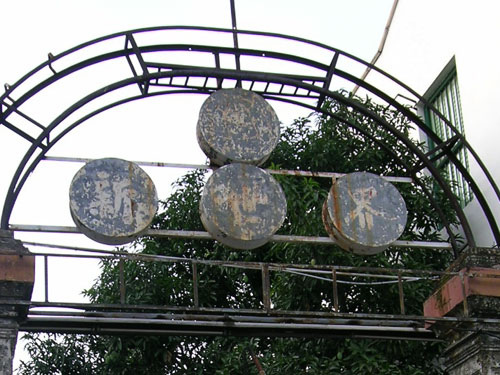
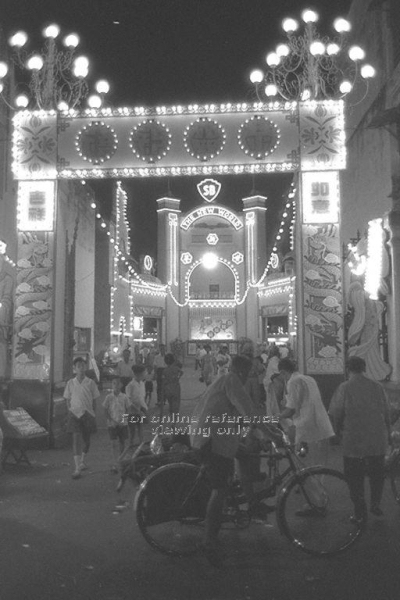
What: The first of three amusement parks, New World Amusement Park entertained night crowds along with Great World and Gay World. With exciting lineups such as a striptease, boxing matches, opera shows and cabaret girls, it was hardly surprising that the amusement park saw crowds ranging from labourers to Europeans. Under Shaw Organisation’s management, New World thrived for the next 40 years from 1923 until the 1960s when it faced competition from discos, shopping centres and television. New World finally closed for good in April 1987.
If you miss this, you might also like: Red light district at Geylang/ Getais?
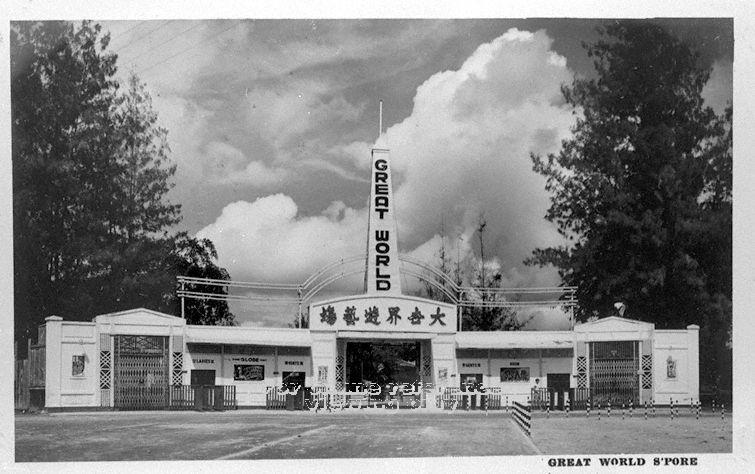
What: The second amusement Park after New World, it was built in 1929 and known to locals as “Tua Seh Kai” in Hokkien. The site was initially a Chinese cemetery, but after redevelopment, the park has attractions such as a nightclub called Flamingo, a famous Cantonese restaurant called Wing Choon Yuen (now known as Spring Court), fun fair with rides like Ghost Train and four cinemas run by Shaw Brothers.
If you miss this, you might also like: No alternatives available. Reminisce with Kelvin Tong’s 2010 film, It’s A Great, Great World, based on the park’s history.
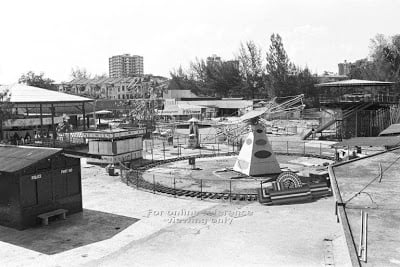
What: Established in 1936 by George Lee Geok Eng, philanthropist Lee Kong Chian’s brother, the $350,000 park was previously known as Happy World, the third amusement park in Singapore. It provided an East-meet-West kind of nightlife entertainment, with ronggeng (a traditional Javanese dance), movies, arcades, gaming, cultural shows, wayang, cabaret performances, and trade shows – a must-visit for couples in the 50s to 70s. Free admission failed to lure visitors in 1987, as the park headed for its gradual demise. In 2000, Eng Wah discontinued the park’s lease. It was eventually demolished together with Geylang Indoor Stadium in 2001.
If you miss this, you might also like: Tough luck!
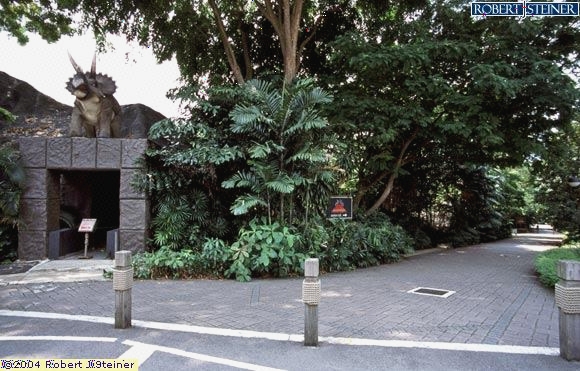
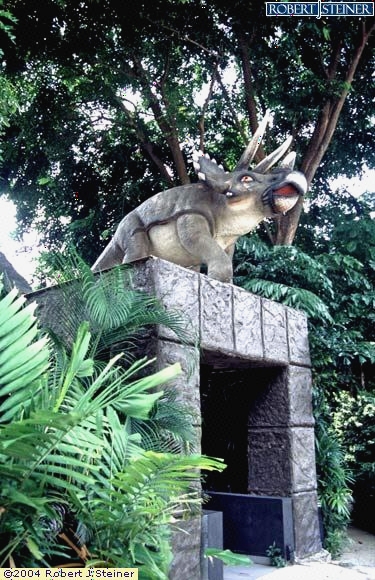
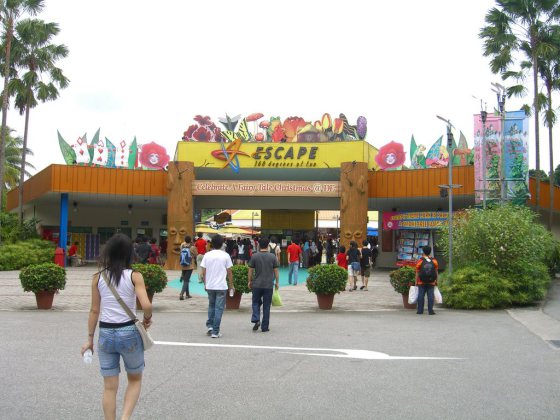
What: The amusement park of yesteryear, Escape Theme Park is an outdoor theme park opened in May 2000. In November 2011, the theme park ceased operations to facilitate redevelopment such as the expansion of Wild Wild Wet, a water park adjacent to it.
If you miss this, you might also like: Universal Studios Singapore
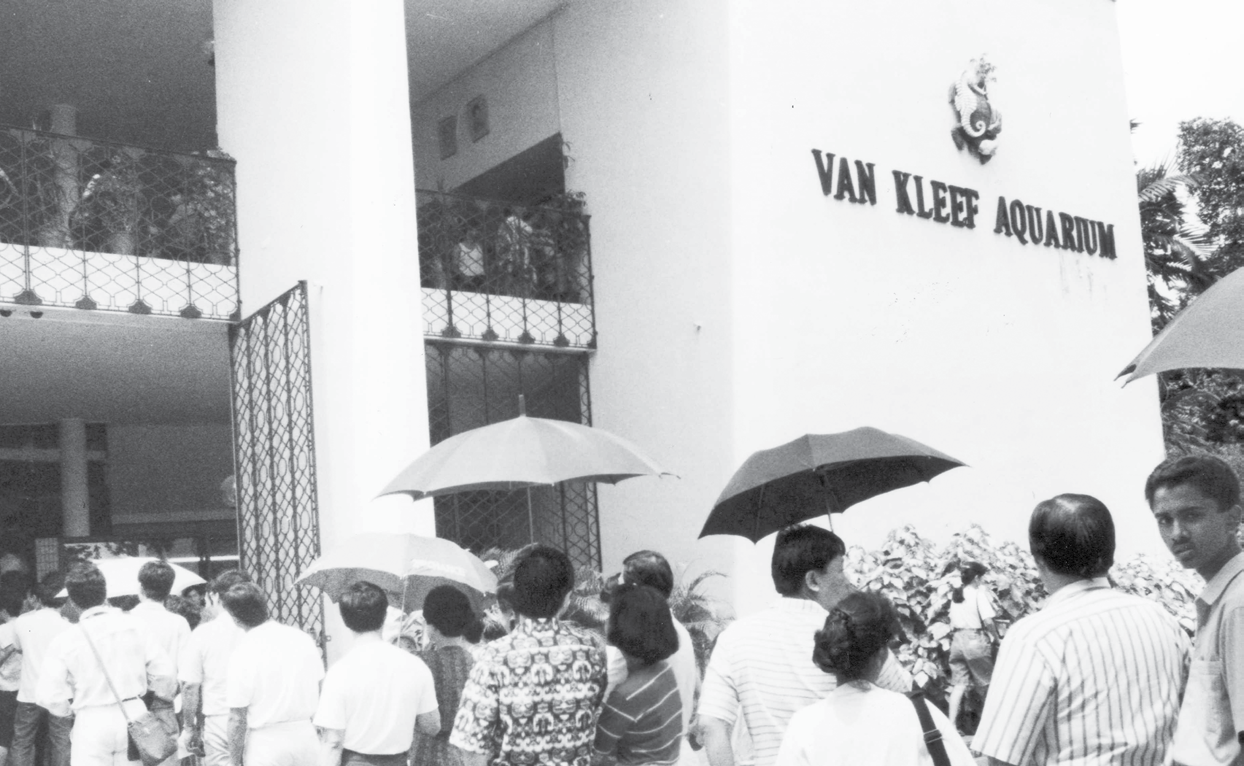
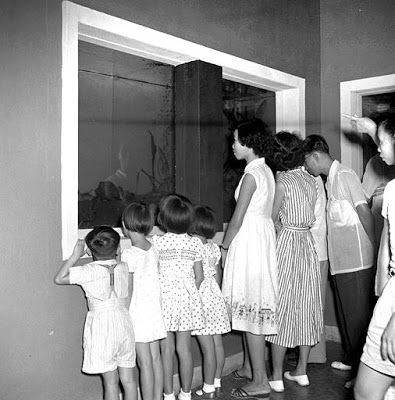
What: In September 1955, a fully-conditioned oceanarium named after Karl Willem Benjamin Van Kleef, a Dutch who resided in Singapore from the 19th to early 20th century, opened its doors. Van Kleef bequeathed his entire fortune to the Singaporean government after his death, for the “embellishment of the town”. The oceanarium housed 6,500 marine creatures of 180 different species. When Underwater World opened in 1991, most visitors went there instead. The Van Kleef Aquarium subsequently closed in 1991, with the building being torn down in 1996.
If you miss this, you might also like: S.E.A Aquarium
Where: On a now-demolished Imbiah Lookout entertainment zone portion on the island
What: The locals also know it as the Musical Fountain, or the Magical Fountain of Sentosa. After 25 years, the Musical Fountain ceased operations on 26 March 2007 and was demolished in the same year. The area could fit more than 5,000 people and five different shows were hosted throughout the years it was in operation. The well-known Magical Sentosa show ran during the fountain’s last five years of operation.
If you miss this, you might also like: The Light & Water Show at Marina Bay Sands
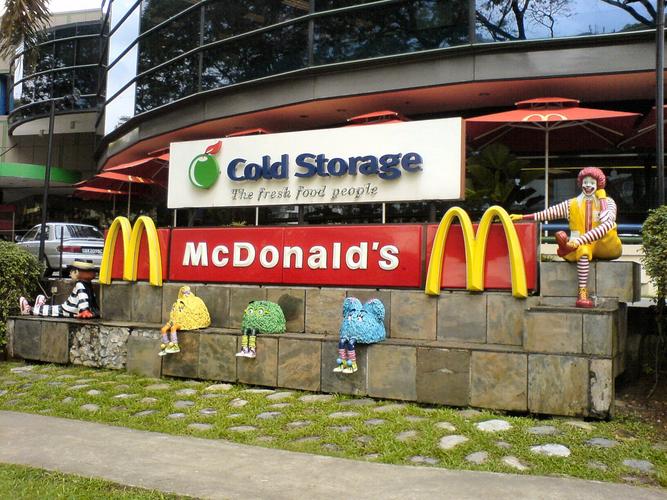
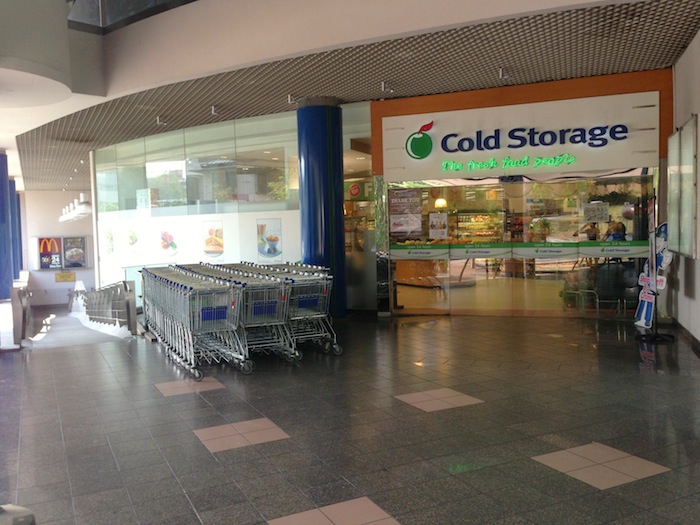
What: Affectionately known as KAP to residents and students who frequented the place, this 5,534.8 square meter space was pulled down for residential and commercial redevelopment after Oxley Holdings’ $150 million acquisition. The McDonald’s corporate headquarters was housed in KAP, along with one of Singapore’s largest McDonald’s, Cold Storage, Spinelli, Island Creamery and Cinta Mania. Since its opening in 1991, King Albert Park ceased operations on 16 March 2014.
If you miss this, you might also like: Bukit Timah Plaza, which is just a stone’s throw away. Same quaint concept, not quite the same awesomeness though.
What: After more than 30 years of service, the iconic East Coast Park McDonald’s closed its doors on 18 March 2012. Its landlord, the National Parks Board had plans for redevelopment in the area and this McDonald’s outlet is intended to be moved to a location 1.5km away, to East Coast Seafood Centre.
If you miss this, you might also like: Kallang McDonald’s
12. Former Methodist Girls School (MGS) at Sophia Hill
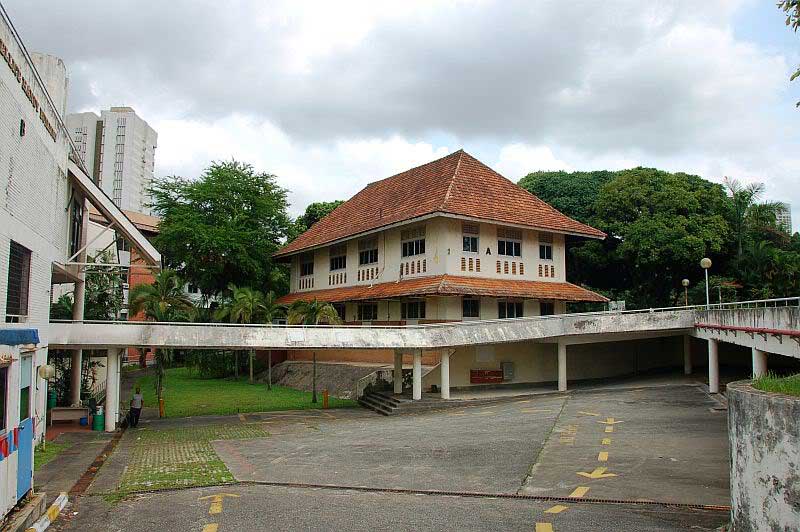
What: Founded on 15 August 1887, Miss Sophia Blackmore’s mission was to provide girls an education. Its humble beginnings saw nine girls whose fathers wanted them to be educated in a period where girls were not encouraged to go to school. Their fathers, who were all Tamil businessmen, donated money and furniture, and helped convert the rent-free shophouse into Tamil Girls’ School, the predecessor of MGS. In 1992, the overwhelming number of students resulted in the school’s shift to Blackmore Drive.
If you miss this, you might also like: The current MGS, along Blackmore Drive
Where: At the corner of Clemenceau Avenue and River Valley Road
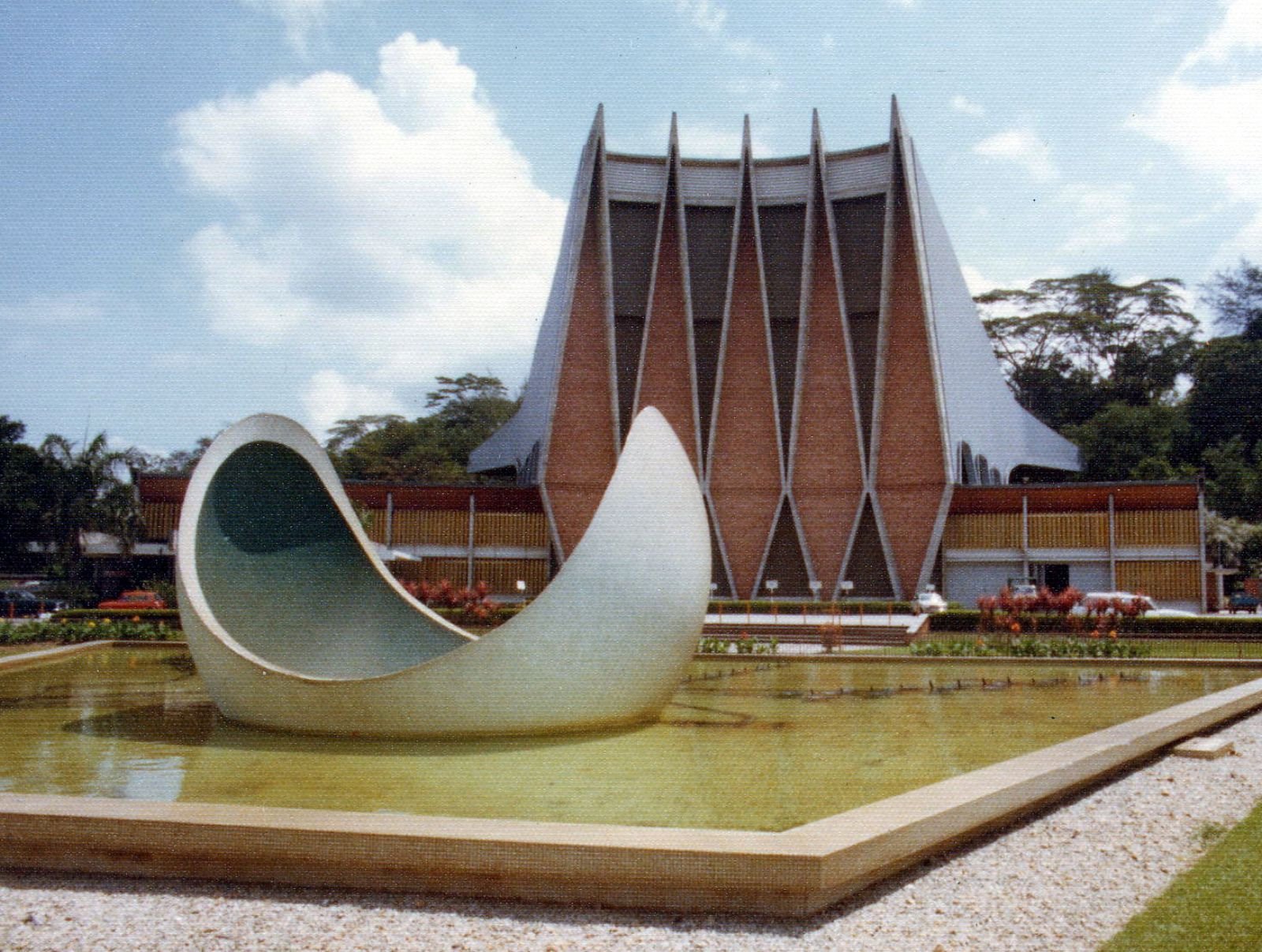
What: To commemorate Singapore’s self-governing achievement in 1959, the National Theatre was erected as a public theatre for concerts, performances and conferences. It was selected as the venue for the first Southeast Asian Cultural Festival in 1963’s opening premiere, despite being only partially completed. In 1984, the theatre was declared structurally unsafe and closed. It was torn down in 1986 for the construction of an expressway.
If you miss this, you might also like: The Esplanade
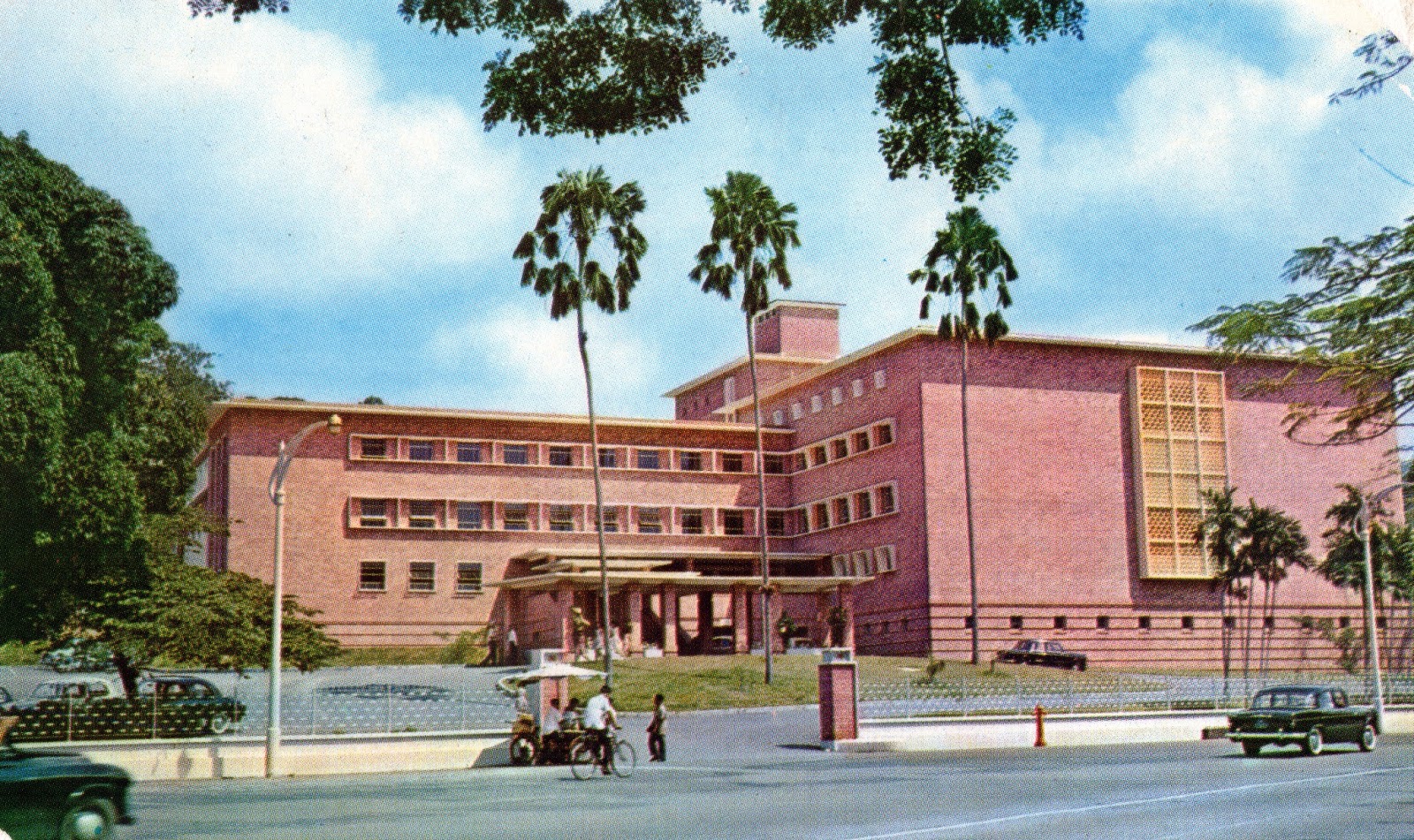
What: A historical building, the Old National Library Building was completed in 1960. On 31 March 2004, the library was closed despite public dissent, and eventually demolished for the construction of Fort Canning Tunnel to ease traffic to the city. This move resulted in a greater awareness of Singapore’s cultural roots and gained greater public favour of heritage conservation.
If you miss this, you might also like: National Library at Victoria Street
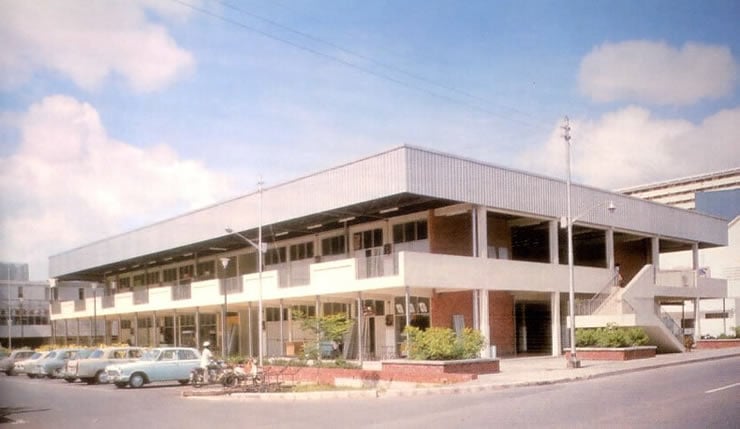
What: A two-storey food centre built in 1969, it housed at least 80 stalls. With delectable local delights like Hainanese chicken rice, Teochew fishball noodle, popiah and char kway teow, Commonwealth Avenue Food Centre was always crowded during lunch hours.
If you miss this, you might also like: Chinatown Food Centre
What: A former waterpark that saw a major facelift – now named Playground at Big Splash, a dining and recreation area. Build in 1977, the main attraction of Big Splash waterpark was the 85-metre long water slide, dubbed the world’s highest, longest slide. Its initial popularity declined and it closed in 2006 for redevelopment. The slides were pulled down when Big Splash reopened in March 2008.
If you miss this, you might also like: Sengkang Swimming Complex
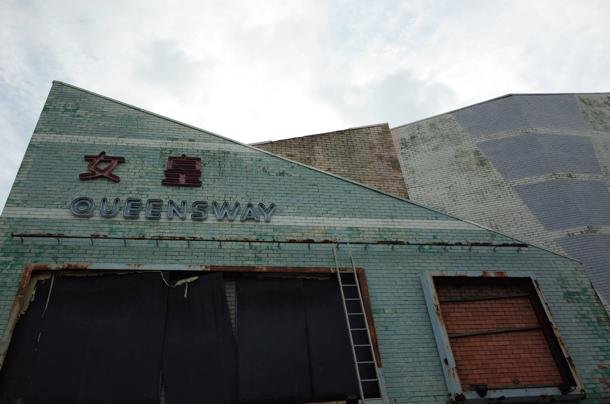
Where: Opposite Queenstown MRT Station, Queensway Centre
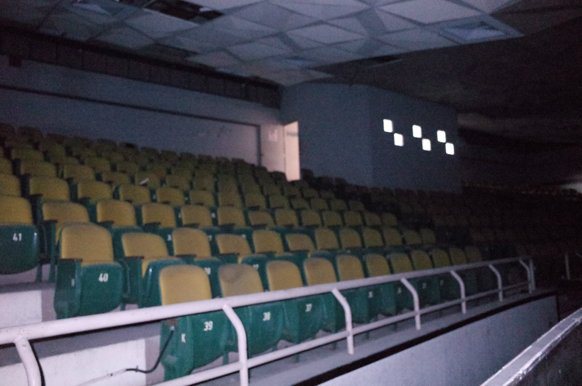
What: The 1,715-seater cinema was built in 1977 and became a popular hangout for students and residents. The cinema had two movie halls and two screens, a spectacular feat for its time. Its heyday saw meandering queues outside the box office on weekend nights, with tickets costing around S$6. In 1999, the cinemas ceased operations.
If you miss this, you might also like: Take your pick from the myriad of cinemas sprawled across the island. But in case you can’t make up your mind, we recommend City Square Mall’s Golden Village. Did you know they have an auditorium with a unique 42-seater ‘Couple’s Cinema’?
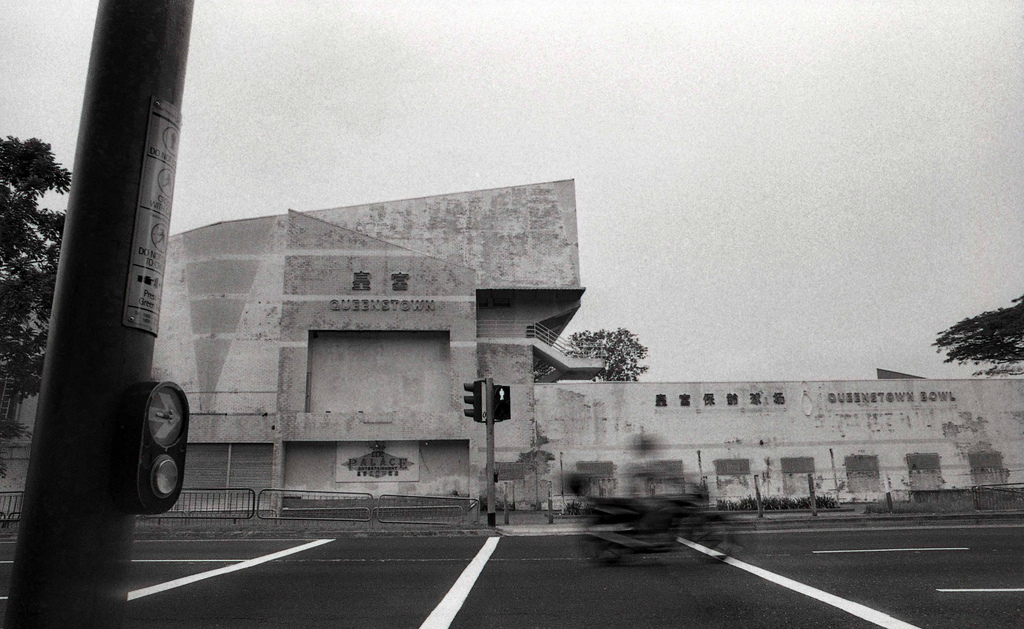
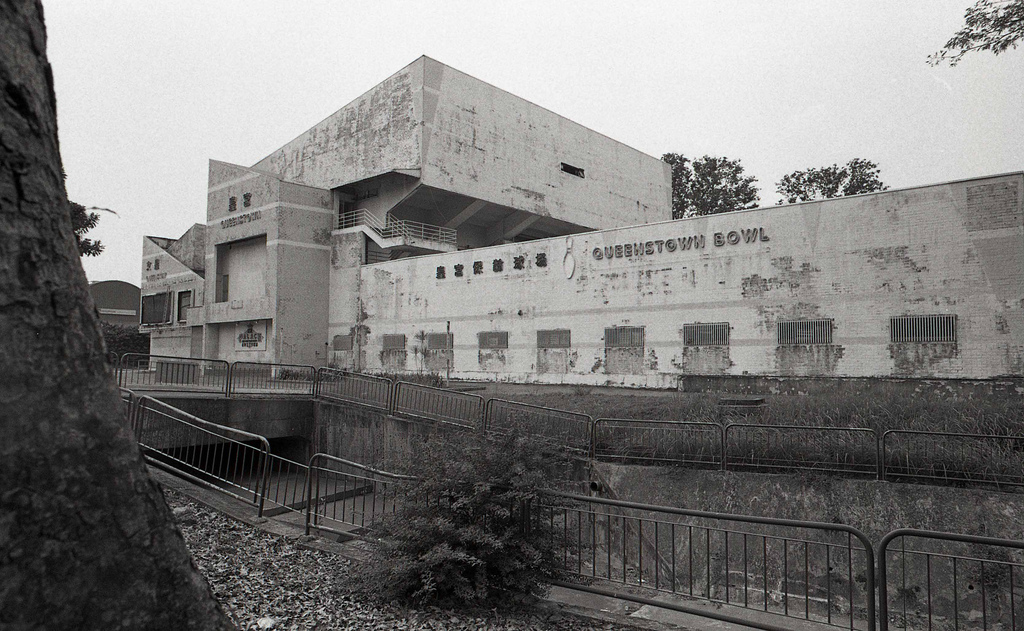
What: An 18-lane bowling alley that opened in 1976. After Queenstown/ Queensway cinemas ceased operations, the bowling alley lingered on for a few more years before it was gone for good in 2000.
If you miss this, you might also like: Superbowl Marina Square
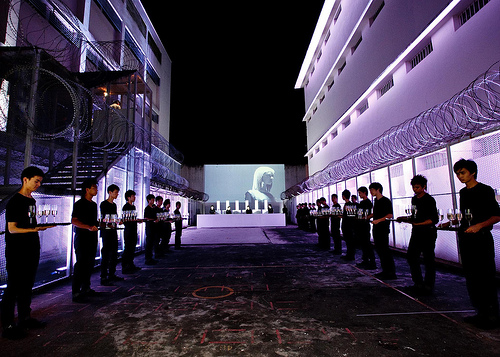
What: Queenstown Remand Prison was officially opened on 23 September 1966 to curb overcrowding at Outram Prison. Famous inmates include author of Singapore, My Home Too, Chee Soon Juan and American teenager Michael Fay.
In 2010, just before Queenstown Remand Prison was slated to be torn down, Calvin Klein spent a night in the Remand Prison to showcase its Spring 2010 collection and invited celebrities like Ethan Ruan, Cynthia Koh, and Allan Wu, amongst many others.
If you miss this, you might also like: Changi Prison (just don’t get locked up for good)
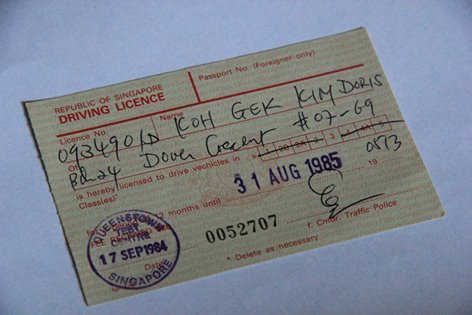
This was how a Provisional Driving License (PDL) at Queenstown Driving Centre looked like:
Where: Between Commonwealth Avenue and Dundee Road
What: The latest on the list to be demolished, the public was invited to Queenstown Driving Centre on 13 December 2014 for the last time to bid farewell. Singapore’s second driving test centre, the Queenstown Driving Test Centre was built in 1968, costing $285,000. The centre was about the size of two football fields of 10,500 square meter. Up to 300 Highway Code and driving tests were conducted a day, with 14 driving instructors. Interestingly, a contrast from today’s computerised theory tests, candidates had to ‘drive’ a miniature toy car modelled with pedestrian crossings and traffic lights.
If you miss this, you might also like: ComfortDelGro Driving Centre, Bukit Batok Driving Centre, Singapore Safety Driving Centre (although there’s nothing to see unless you enjoy car-watching)
How many places on this list have you visited and which are the ones you miss most?