Tag: Trump

  • FAQ On The Current Jerusalem Issue

    FAQ On The Current Jerusalem Issue

    (1) “So sekarang Jerusalem/Baitulmqadis tu Israel punya kah?”

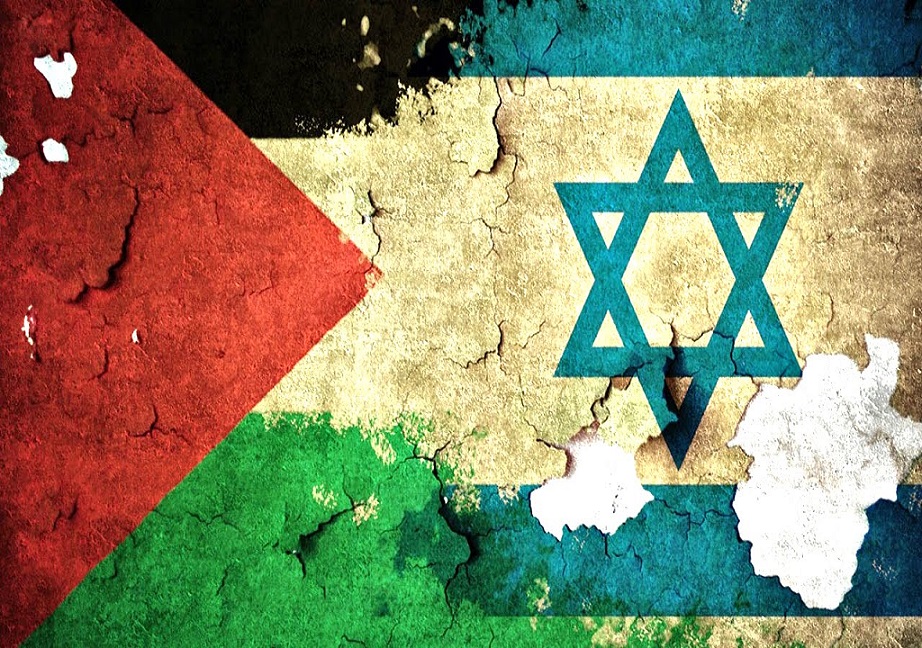
    TIDAK. Bila Trump kata Jerusalem itu ibu negara Israel, bukan bermaksud secara automatik Jerusalem terus jadi hak milik Israel. Trump bukan hakim dunia. Dia hanya Presiden US. Di dunia kita sekarang, hanya Pertubuhan Bangsa-Bangsa Bersatu (United Nations – UN) saja yang boleh beri kata putus bahawa wilayah ini milik siapa, wilayah itu milik siapa. US hanya salah satu daripada 5 kuasa besar dunia (selainnya ialah Rusia, China, UK dan Perancis) yang boleh membuat keputusan di UN melalui kuasa veto mereka di Majlis Keselamatan. Sehingga sekarang, UN masih menganggap pendudukan Israel ke atas Jerusalem Timur tidak sah dan Israel perlu berundur ke sempadan asalnya sebelum tahun 1967. Kalau guna bahasa undang-undang antarabangsa, Israel hanya ada kawalan “DE FACTO” ke atas Jerusalem Timur. Pendudukan Israel ke atas Jerusalem Timur tidak diberi pengiktirafan “DE JURE” oleh komuniti antarabangsa.


    (2) “Ya Allah! Kiamat makin dekat! ”

    Baitulmaqdis tidak jatuh ke tangan Israel bermula semalam. Al-Aqsa (di Jerusalem Timur) telah pun jatuh ke tangan Israel 50 tahun yang lalu lagi, selepas kekalahan Jordan (penguasa asal Jerusalem Timur) dalam Perang Enam Hari 1967. Tanda kiamat dah mula pun sejak 50 tahun yang lepas. Apa yang korang buat selama 50 tahun lepas lah wey.


    (3) “Ibu negara Israel kat mana sebenarnya?”

    Sejak 1950, ibu negara Israel ialah Jerusalem Barat iaitu tempat terletaknya Parlimen, Mahkamah Agung dan Pejabat PM Israel. Selepas Israel menawan Jerusalem Timur pada 1967, Israel meluluskan Jerusalem Law pada tahun 1980 yang menyatakan “the complete and united Jerusalem is the capital of Israel”. Maksudnya Israel nak menyatukan Jerusalem Barat dan Jerusalem Timur sebagai ibu negaranya. Perjanjian Oslo 1993 yang dipersetujui oleh Yitzhak Rabin (Israel) dan Yasser Arafat (Palestin) mengatakan status Jerusalem Timur harus ditentukan melalui perundingan bersama Israel-Palestin. Ini menyebabkan Rabin dibunuh oleh ekstremis Zionis kerana ia bakal menggadaikan pemilikan penuh Israel ke atas Jerusalem Timur. Perundingan damai Israel-Palestin asyik gagal disebabkan politikus right-wing di Israel seperti Netanyahu tidak mahu berkompromi dalam isu Jerusalem. Jadi, NO, Israel tidak perlu memindahkan ibu negaranya susulan kenyataan Trump.


    (4) “Kenapa Trump nak mengiktiraf Jerusalem sebagai ibu negara Israel?”

    Gimik politik. Mid-Term Election dah nak dekat. Trump pernah berjanji semasa kempen tahun 2016 bahawa dia akan mengiktiraf Jerusalem sebagai ibu negara Israel, satu strategi untuk mengambil hati Yahudi Zionis dan Kristian Evangelis (tak semua Yahudi pro Israel, jangan pukul rata). Sama seperti Obama yang pernah berucap semasa kempen tahun 2008 bahawa “Jerusalem will remain the capital of Israel, and it must remain undivided”. Apa yang Trump buat adalah lebih kepada prosedur standard Presiden. Pada tahun 1995, Kongres US telah meluluskan Jerusalem Embassy Act yang mengiktiraf “undivided Jerusalem” (merangkumi Jerusalem Barat dan Jerusalem Timur) sebagai ibu negara Israel dan mengarahkan Department of State (Kementerian Luar) untuk memindahkan kedutaan US ke Jerusalem.

    Tapi akta tersebut turut memberi peruntukan “waiver” di mana Presiden boleh menangguhkan perpindahan tersebut. Sejak 1995, Clinton, Bush dan Obama telah pun menandatangani waiver tersebut walaupun ada di kalangan mereka yang pro-Israel. Waiver itu perlu renew setiap 6 bulan. Kali terakhir Trump menandatangani waiver adalah pada 1 Jun 2017, jadi waiver itu dah expired pada Disember 2017 dan Trump mengambil kesempatan ini untuk membuat kenyataan. Tak pasti Trump sudah atau belum menandatangani waiver tu. Kalau ikut sumber ini, Trump sebenarnya dah menandatangani waiver. Jadi kali ini Trump sekadar sembang, sebab election dah dekat.

    Pada 23 Disember 2016, Majlis Keselamatan UN 2015-2016 telah meluluskan Resolusi 2334 yang mengatakan pendudukan Israel ke atas Jerusalem Timur tidak sah. Resolusi tersebut dapat diluluskan kerana US tidak menggunakan kuasa vetonya. Obama saja nak kenakan Netanyahu sebelum habis tempoh jawatannya sebagai Presiden. Kalau sekarang Israel dan US nak mengusulkan sebarang resolusi untuk menjadikan Jerusalem sebagai ibu negara Israel pun, ia tetap akan diveto oleh Rusia dan China yang telah lama menyokong Palestin dalam hal ini. Jadi kenyataan Trump kali ini tidak akan mengubah keputusan tersebut. Ia cuma dapat menyelamatkan sedikit air muka Netanyahu.


    (5) “So kalau tak ada apa-apa effect, buat apa nak bantah?”

    Sebab US sebagai penimbangtara proses perdamaian Israel-Palestin, ia harus menghormati Perjanjian Oslo 1993 dan menjaga perasaan Palestin. Kenyataan Trump seolah-olah memberi sokongan moral kepada Israel dan membelakangi resolusi-resolusi UN yang jelas mengecam klaim Israel ke atas Jerusalem Timur.


    Kadang kala kita perlu menguasai pengetahuan asas hubungan antarabangsa sebelum meninggalkan komen-komen yang tidak matang di merata media sosial. Trump tengok komen korang pun rasa WTF. Kurangkan karut, satukan hati. Insya Allah, Palestine will be free.

    (p/s: my brothers and sisters, the Jerusalem issue is not a religious issue. It is an universal humanitarian concern over Israel’s illegal occupation of East Jerusalem and its continued defiance of international law. Don’t let the extremists from both sides lure you into choosing side based on your faith).


    Source: Ayman
  • Trump To Meet PM Najib On Sept 12 At White House

    Trump To Meet PM Najib On Sept 12 At White House

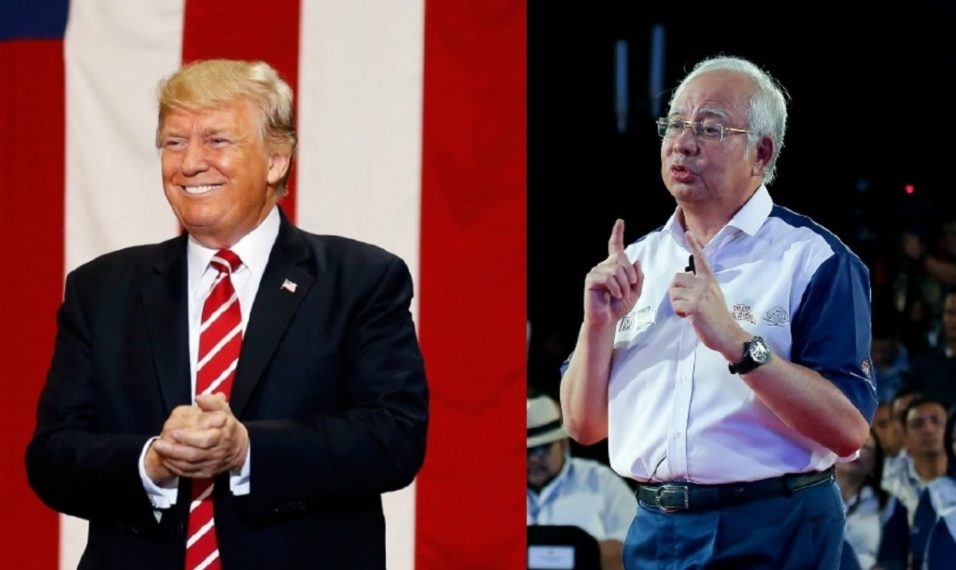
    US President Donald Trump plans to meet Malaysian Prime Minister Datuk Seri Najib Razak on September 12 at the White House.

    In a statement on Wednesday, the White House said Trump is looking forward to discuss ways to further strengthen and broaden US-Malaysia bilateral ties and expand regional cooperation with one of US’ closest partners in Southeast Asia.

    “President Donald J. Trump will welcome Prime Minister Najib Abdul Razak of Malaysia to the White House on September 12.

    “President Trump looks forward to celebrating the 60th anniversary of United States-Malaysia bilateral relations and discussing ways to strengthen and broaden our bilateral relationship and expand regional cooperation with one of America’s closest partners in Southeast Asia,” said the statement.

    The Wall Street Journal, which first reported the plan for a meeting, said Najib has been eager to emphasise his friendship with Trump.

    US relations with Malaysia, which the United States sees as an important partner in standing up to China’s extensive territorial claims in East Asia, had improved under former President Barack Obama, who in 2014 became the first US president to visit the country in 50 years.


    Source: https://www.nst.com.my/

  • New Trump Travel Ban Order Will Exclude Iraq And Current Visa Holders, US Officials Say

    New Trump Travel Ban Order Will Exclude Iraq And Current Visa Holders, US Officials Say

    President Donald Trump’s revised travel ban order will exclude Iraq, but continue to impose restrictions on the other six Muslim-majority nations that were included in the original order, US officials said.

    The new executive order is expected to be signed on Wednesday (1 March) that will temporarily prohibit people travelling from Iran, Libya, Somalia, Sudan, Syria and Yemen from entering the US.

    Four officials reportedly told the Associated Press on Tuesday (28 March) that the change was made following pressure from the Pentagon and State Department, who urged the White House to consider Iraq’s leading role in fighting Isis and rethink their decision on imposing travel restrictions on the ally.

    The revised travel ban order will replace the earlier version that was blocked by a federal court on multiple legal grounds. The new order was reportedly drafted to eliminate the legal hitches.

    The initial order that came at the end of January led to mass protests in the country and abroad after many people were left stranded at airports waiting to reunite with family members. In the initial days of implementation of the order, even the green card holders and visa holders from the seven nations were barred from entering the country.

    According to the Washington Post, which cited “people familiar with the matter”, the new version will exempt current visa holders from the travel ban and remove an exception to the refugee prohibition for religious minorities.

    Justice Department lawyers reportedly hope the new version was more likely to pass legal hurdles and will also not leave any travellers detained at US airports. The paper also wrote that learning from the previous experience, the White House administration could implement the order at a date later than the signing date.

    Meanwhile, CNN’s White House reporter tweeted that Trump may not sign the revised executive order on Wednesday as was being expected. The signing has been pushed to next week following positive reviews of Trump’s address to the joint Congress session on Tuesday.

    Amid positive reviews of speech, WH officials have scrapped plans for Trump to sign new travel ban EO tomorrow, per a senior admin official.

    Source: IBTimes

  • Singapore Must Guarantee Equality To Minorities: Shanmugam

    Singapore Must Guarantee Equality To Minorities: Shanmugam

    Faced with issues such as growing Islamophobia and religious extremism, Singapore must never allow xenophobia and majoritarianism to override the protection and guarantee of equality – particularly to minorities, said Singapore Home Affairs and Law Minister K Shanmugam on Wednesday (Feb 1).

    “We are all Singaporeans. We guarantee the safety, security and freedom of religion to all, including the Muslim community,” he told a roundtable discussion at a symposium organised by the S Rajaratnam School of International Studies (RSIS).

    Mr Shanmugam opened his speech by revealing he had initially not been slated to speak. “But events around the world give cause for pause, for reflection,” he said, referring to the likes of Brexit and the election of Donald Trump as US president.

    “Post-US election, there has been a scramble, to predict the policies of the new Administration and what it means for the world,” Mr Shanmugam said. “We now have had a preview of what might happen … The country whose actions possibly have the greatest importance on the world seeks to change course, and seeks to change course suddenly.”

    Pointing to the US exiting the Trans-Pacific Partnership (TPP) and banning citizens from seven Muslim-majority countries within a week of Mr Trump assuming office, he said: “When a superpower moves this fast, the rest of us have to avoid being caught in the slipstream.”

    He warned that events in the US could impact Singapore on a racial and religious front, specifically the “public disagreement” displayed by Mr Trump’s firing of the acting Attorney-General for opposing his travel ban, protests on the streets and deep splits within Congress.

    “There are many consequences to perceptions of the US, its leadership role in the world, and the role the Rule of Law plays and is valued in the US,” said Mr Shanmugam. “One of the consequences … is that it could lead some Muslims around the world to become anti-American, believing that the US has become more Islamophobic.”

    “This has serious risks for a lot of people including us.”


    Source: CNA

  • Singaporeans Uneasy, ‘Disheartened’ By Trump’s Immigration Policies

    Singaporeans Uneasy, ‘Disheartened’ By Trump’s Immigration Policies

    Field service engineer Syed Irsyaad, 26, is due to head for the United States — where his firm is based — to undergo training in April, but thinks it is better that non-Muslim engineers go in his place now.

    Mr Syed is among the Singaporean Muslims who have been watching the developments in the US closely, where President Donald Trump last Friday signed an executive order banning travellers from seven Muslim-majority countries, including Iran, Iraq and Syria, from entering the US for 90 days.

    While the ban does not affect travellers from Singapore, some Singaporeans who live in the US or travel there frequently are seeking assurance and proof of the purpose of their travel from their firms so they would not get held up unnecessarily at immigration, noting the uncertainty surrounding the execution of the order.

    Mr Syed said non-Muslim engineers could go in his place without such concerns, and he would forgo the trip “for peace of mind of the people at home”. “Everyone is in limbo for now (and) doesn’t have any idea what’s going on yet. It’s a good time to wait it out for a while,” he told TODAY.

    Ms Zakiyah Ibrahim, 27, a Singaporean social-work Master’s student in New York City, said she had been surprised by how quickly the ban kicked in, but was heartened to see how the New York community has reacted.

    Her university and student accommodation provider had sent “assuring” emails, voicing their disagreement with the ban and vowing to protect the needs of international students.

    But Mr Trump’s unpredictability has also created anxiety. Ms Zakiyah, who studies at Columbia University, has not personally experienced any negative sentiment because of her religion. But she feels that the ban has stirred up negative feelings against Muslims. “And we can’t say this (travel ban) will not extend to Muslims generally,” she added.

    Uncertainty hovers even for non-Muslim Singaporeans who hold a US green card — which grants permanent residency — and those with jobs there.

    Ms Cheow Xinyi, 33, who will graduate from her Columbia Master’s programme this month, returned for the Chinese New Year holidays last month. She is due to return to New York today to start her part-time job as a community organiser with a non-governmental organisation.

    She wrote to the NGO last week to request a letter confirming her job. “Theoretically, I don’t need it; it’s just to be safe … I really hope it wouldn’t come down to that.”

    Singaporean Serene Chew, 56, a green-card holder who has lived in Hawaii for nearly four decades, said she was caught in the middle. She is “disheartened” by the travel ban and has “some fear” because she is not American. “With Trump, you never know what he’s going to do,” she said, while acknowledging that some restrictions may have been “a long time coming”, citing the troubles faced by Germany over the influx of refugees.

    Responding to TODAY’s queries, Ms Camille Dawson, a spokesperson for the US Embassy in Singapore, said the US government was “committed to facilitating legitimate travel for international visitors while ensuring the security of US borders”.

    “The suspension provided for in the Executive Order does not include Singapore, and the US Embassy in Singapore continues to welcome and encourage Singaporeans’ travel and study in the United States,” she said.

    Meanwhile, Americans in Singapore who spoke to TODAY generally disagreed with the ban.

    Mr Glenn van Zutphen, owner of media consultancy VanMedia Group, said the move is not keeping with the spirit of what the US has always stood for.

    He said the Trump administration should slow down the pace at which changes are being introduced. “It’s clear he wants to show his constituency he can get things done, but the government needs to move a bit slower … to make sure things are done in proper sequence (and) with more forethought,” said Mr van Zutphen, who is in his 50s.

    A retired journalist, who wanted to be known only as Ms Jo, 69, said she has “never been so scared”. “The US is a country of immigrants and supposedly a safe haven in the world. I know of (friends in the US) who are thinking of other places to live,” she said.


    Source: Today