Blog

  • South Korea Reports Fourth Death From MERS

    South Korea Reports Fourth Death From MERS

    South Korea Friday reported its fourth death from an outbreak of the MERS virus that has infected dozens of people, seen hundreds of schools closed and caused thousands to cancel travel plans.

    The health ministry had also confirmed five new cases, Yonhap news agency reported, bringing the total number of people diagnosed with the potentially deadly virus in South Korea to 41, the largest outbreak outside Saudi Arabia.

    The latest fatality was a 76-year-old patient who died Thursday after testing positive for the virus on May 21, Yonhap said.

    That case comes shortly after the country’s third MERS death was confirmed Thursday, that of an 82-year-old man who was diagnosed after he died in hospital on Wednesday night.

    He was originally being treated for asthma and pneumonia but was placed under quarantine after other patients in his ward tested positive for Middle East Respiratory Syndrome (MERS).

    More than 900 schools, from kindergartens to colleges, have now shut their gates and the government’s MERS hotline took more than 3,000 calls on Wednesday as public fears have grown.

    Before Thursday only two people — a 58-year-old woman and a 71-year-old man — had died in South Korea from the disease, which has no cure or vaccine.

    The first case, reported on May 20, was of a 68-year-old man diagnosed after a trip to Saudi Arabia.

    Since then, more than 1,660 people who may have been exposed to the virus have been placed under varying levels of quarantine.

    While around 160 were isolated at state-designated facilities, most were told to stay home and strictly limit their interactions with other people.

    MERS has now infected more than 1,100 people globally, with 437 deaths. More than 20 countries have been affected, with most cases in Saudi Arabia.

    The virus is considered a deadlier but less infectious cousin of Severe Acute Respiratory Syndrome (SARS), which killed hundreds of people when it appeared in Asia in 2003.

    The World Health Organization said it expected more infections in South Korea, but stressed that there was “no evidence of sustained transmission in the community”.


    Source: www.scmp.com

  • Four Must-Know Smoking Poses For Your Every Trip To The Smoking Corner

    Four Must-Know Smoking Poses For Your Every Trip To The Smoking Corner

    1) The cross arm, look far pose

    This is the look you want if you wanna act like you’re thinking about something deep at the smoking corner. Even better if you’ve a pair of shades, put it on and look far macam you thinking how to grow Singapore’s GDP by 5% this year, but actually you thinking what to eat for lunch.

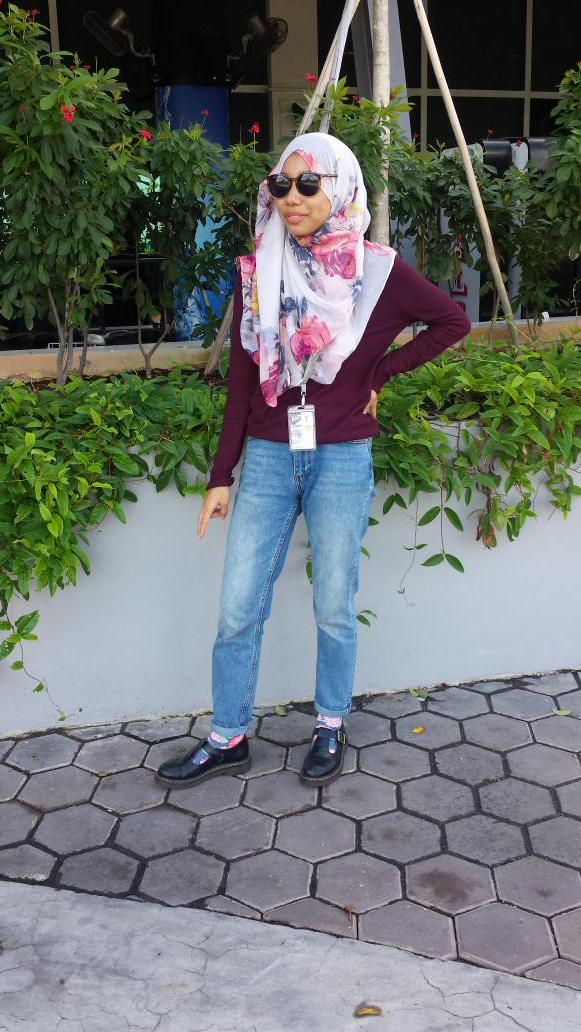
    2) The hand on your waist pose

    This pose is especially useful when you’re smoking with your colleagues/bosses because putting a hand on your waist shows that you’re tired, which indirectly signals that you’ve been working hard in office. Good when promotion is round the corner.

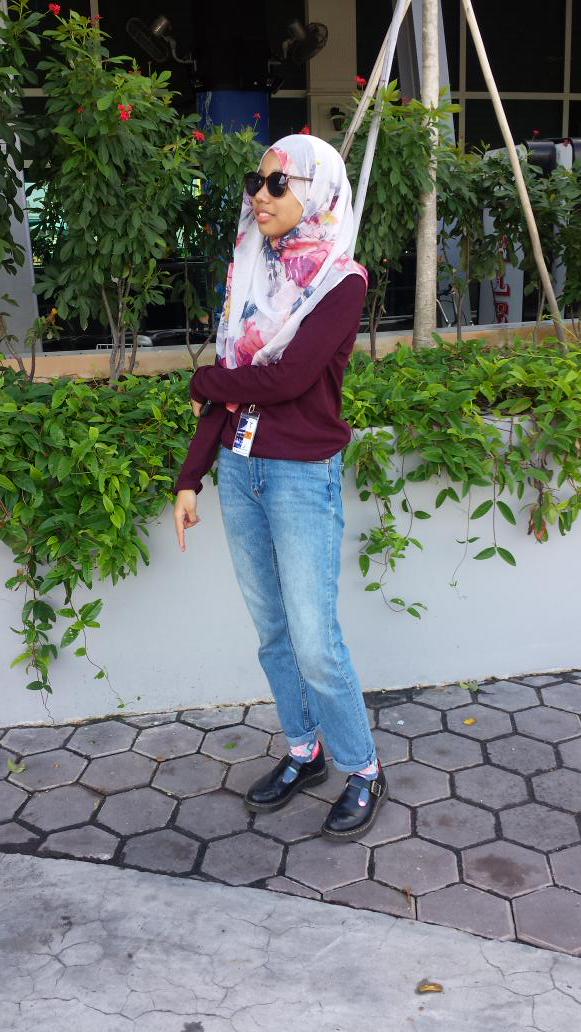
    3) Cross arm, look cool pose

    This pose is especially useful if you’ve a wall behind you, so just lean back, cross your arm, straighten out your smoking hand, and look cool. Doesn’t matter if you actually bring your hand up to take a puff, the main point is to just look cool only.

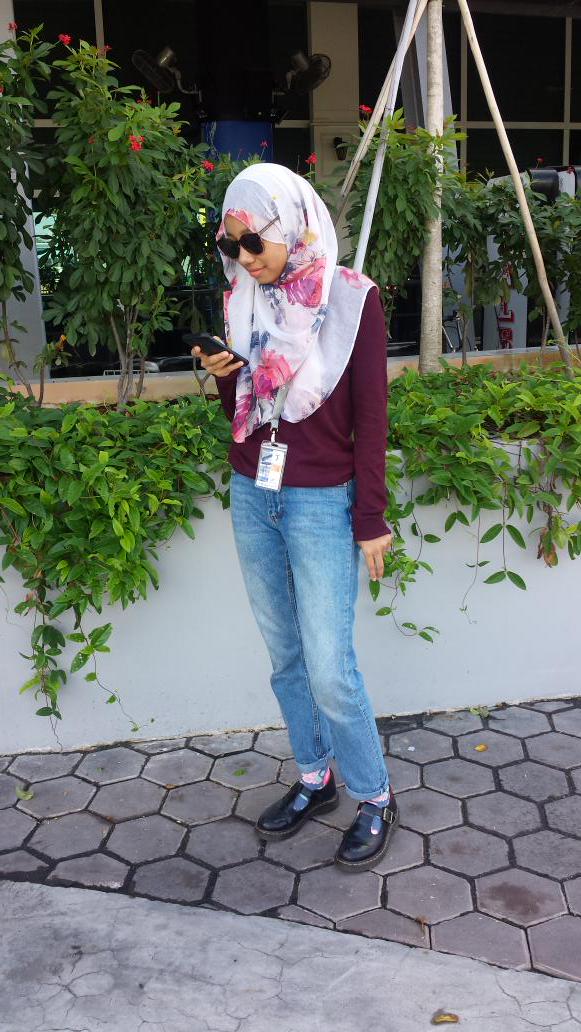
    4) I just wanna smoke, not talk pose

    You know how some people like to strike up a conversation with you when you’re smoking? This is the perfect pose, with a phone in hand to signal that NO, mouth not available for talking, only for smoking/taking a puff.


    Source: http://sgag.sg

  • FMFA Death Caused By Drugs, IGP Insists Despite Medical Findings

    FMFA Death Caused By Drugs, IGP Insists Despite Medical Findings

    KUALA LUMPUR, June 2 — Police insisted today that the six youths who collapsed during last year’s Future Music Festival Asia (FMFA) event in Bukit Jalil had died because of drugs, dismissing findings in a toxicology report that suggested that it was heat stroke that killed them.

    Asked to comment today, Inspector-General of Police (IGP) Tan Sri Khalid Abu Bakar was quoted in The Malaysian Insider as saying that there was no need to dispute the matter as drugs had undoubtedly been used during the incident.

    “I don’t think I need to comment further. During the incident, we found that drugs were used.

    “If the clinical findings say (something else), we accept whatever the finding.

    “But the fact still remains that it is caused by drugs,” the news portal quoted Khalid as telling a press conference in Bukit Aman.

    English daily The Star reported yesterday that although the public was led to believe that drugs had been the cause of the FMFA deaths, the toxicology report issued two months after the incident revealed something else.

    According to the newspaper, it was heat stroke that caused the deaths, while drugs played a negligible role. Of the 16 party-goers who were taken to the hospital that day, two had no traces of any illegal substances, the report said.

    The report also quoted University Malaya Medical Centre (UMMC) forensic pathology department head Prof Dr K. Nadesan as saying the police showed little interest in the findings, although he sent them several detailed reports to correct their statements to the public on the deaths.

    “Unfortunately, they made statements without proper scientific reasons, which is not the right way,” he was quoted saying.

    Responding to the findings later, FMFA organiser The Livescape Group expressed surprise and demanded that the police come clean on the issue.

    The event planning company accused the authorities of giving them the runaround in their request for the official investigation report on the incident, despite numerous attempts over the past year to seek answers.

    “Our requests for the toxicology report to the police and to the hospitals involved following FMFA 2014 were both turned down with both parties citing an ‘ongoing police investigation’.

    “All information that we have garnered with regards to the investigation has been communicated to us only through media reports,” Livescape said.

    “We are not thinking about the money but what we are seeking for are answers and the truth. It is only fair that we allow the relevant authorities to provide their feedback,” it added.


    Source: www.themalaymailonline.com

  • Ismail Kassim: A Malay Triology – Part II – Why Can’t Malays Take Islam In Their Stride?

    Ismail Kassim: A Malay Triology – Part II – Why Can’t Malays Take Islam In Their Stride?

    To be a respected race, the Malays have to return to their roots. You don’t need to change your clothes or your culinary tastes but only change your minds. Discard the feudal thinking. Be modern, rational – not western, not Semitic.

    The irony is that the good customs that the Malays should keep they discard; those that should be changed they retain like the way they have to cringe and debase, calling themselves vermin and dogs, every time they come face to face with their Sultans.

    To his credit, Mahathir refused to indulge in such self-deprecating un-Islamic language during his long tenure as PM. The Sultans know better than to insist otherwise.

    I agree that choice of dressing and greeting is personal. If someone wants to walk the Semitic path, that’s their privilege and there really is no harm at all.

    What I disagree is the simplistic notion among some Muslims in this part of the world that behaving like Arabs bring them closer to the Lord and paradise. Some even seem to elevate such dressing into a cardinal principle of the faith.

    Islam does not belong to the Arabs or to the Malays. It is a universal religion; a gift to mankind. Do not diminish its appeal and reduce the faith into one fit only for the kampungs and the fearful, and for the bigots and the psychopaths.

    A good Muslim must also be a good human being, someone who is charitable, honourable, responsible, and upholds universal values that are shared across all ethnic and religious boundaries.

    All religions, especially the established ones, face the same challenge: How to enhance faith in their set of theological beliefs and at the same time encourage their faithful to become more spiritual and better human beings?

    In the case of the Muslims, I see many getting trapped in the religiosity of the faith, obsessed with the rituals and practices, the dos and don’ts and the can and cannot as laid down by long forgotten figures from the distant past.

    As a result, instead of becoming more spiritual and better human beings as they should be, they sometimes end up the opposite – the result of not practicing the rituals as a means to a more enlighten goal but as an end in themselves.

    For instance, the tudung is supposed to reflect the outward manifestation of an inner faith and not just a must-use piece of female attire to satisfy public opinion or to identify oneself with a particular religious group.

    But obviously this is not always the case, judging by the number of women in traditional head garb going behind bars for CBT or abusing their maids or some other crimes.

    How also to explain the endless supply of Sunnis volunteering for suicide missions? And mind you, not against infidels or imperialists but against fellow Muslims such as the long oppressed Syiahs.

    We cannot sweep under the mat these mindless acts as just the work of mentally unstable individuals or the sub-normal or the misguided fanatics. We have to raise and ask the pertinent questions.

    We cannot keep on excusing such actions by saying ‘tis the singer not the song. The time has come when we have to ask: Could it perhaps be a defect in the song? Or is it the way the song has been sung by the Al-Sauds that turns a perfect divine song into a defective one?

    We also have to ask the extent of culpability of the community for the acts of these individuals. Do we, perhaps, because of our obsession with religious practices unwittingly provide cover to the suicide bombers and the foolish youths seeking martyrdom?

    They cannot exist in a vacuum. Like fish that need water, these people could only survive in a sea of irrational religiosity, lying dormant most of the time until tipped over the precipice. We have to identify respectively both the push and pull factors.

    The Islamic religious authority too appears to be trapped in the same religiosity syndrome. I have yet to hear any local preacher or a Friday sermon making the connection between religious rituals and, moral and ethical values.

    Actually, as many atheists have demonstrated you don’t need to belong to any faith to become a good human being. Likewise, you don’t need to be very religious in your particular faith to travel the path of enlightenment.

    To me, religion, unless accompanied by high moral and ethical standards, is quite meaningless, and this holds true for all believers irrespective of what faith they adhere to.

    Religion is not meant just for the next world. The guidelines drawn up by the founders, the values they espouse and the obligations they impose on their followers are meant more to make life in this world more pleasant for all mankind.

    If practised in the right spirit, fasting, the five daily prayers, ritual cleansing will not only be a joy but also bring immediate health benefits to the faithful; regard anything else that you may accrue for the next world as a bonus.

    I believe if you take care of your life in this world, the next world will take care of it. You don’t have to worry needlessly.

    But Muslims, especially Malays, are a fearful lot when it comes to religious practice. One of their greatest fears in life is the ‘’takut aqidah rosak’’ (fear of their faith being undermined or corrupted) syndrome.

    That’s why many become blind followers, accepting everything thrown at them and reluctant to take any initiative on religious practice without first getting the blessings of their ulamas.


    Source: Ismail Kassim

  • South Korea Police Bans LGBT Pride Parade

    South Korea Police Bans LGBT Pride Parade

    For the first time since 1990, the South Korea Pride Parade was rejected by the police.

    Namdaemun Police Station and Seoul Metropolitan Police Agency denied permit for the march, expecting a standoff between LGBT and Christian groups.

    Last year, groups affiliated to the Church laid on the road, blocking the parade. Their protest caused major traffic jams and created tension with the LGBT community. A witness in attendance recalled the standoff:

    “The people on the floor were cordoned off by the police but it took police a long while to actually try to move the. Also, many of the protestors shouted at the pride goers and some spat at us too.”

    This year, the Korea Queer Culture Festival (KQCF) applied for a public space to hold the parade with the Seoul Police Agency. The application was rejected as the space was already reserved by the “Love Your Country, Love Your Children Movement,” an anti-gay Christian group.

    Members of the LGBT community tried to secure a new space in Namdaemun. Although the police station would only begin accepting applications May 29 for rallies to be held on June 28, members of the Christian group as well as the LGBT community lined up on May 20 to submit their application.

    Both groups waited all day and night, with people taking turns to sleep and eat. Various groups and individuals donated food to the LGBT supporters waiting in line, which local delivery service The Bird Riders brought to the station.

    Unfortunately their wait was in vein. On May 30, police issued a prohibition notice based on Article 8 of the Act on Assemblies and Demonstrations that banned both groups from holding street marches:

    “Rallies may be banned wherever two or more rallies are planned by groups with conflicting goals and on Article 12 where rallies may be banned whenever there is a possibility of inconvenience to pedestrian and vehicle traffic.”

    Kang Myung-jin, chief organizer of KQCF, requested a meeting with the head officer who made the decision. The police did not allow Kang to meet with them and turned them away. The KQCF released a press statement Monday:

    “The decision is suppressing the right of sexual minorities to speak up against society, as well as instigating hatred and violence against sexual minorities. Seoul Metropolitan Police Agency and Seoul Namdaemun-gu Police Station should withdraw its ban on outdoor rallies on May 30th, 2015 at once, and should guarantee the Pride Parade at KQF to be held safely and peacefully.”


    Source: www.out.com

deneme bonusu