Blog

  • A Lesson On The Malay Race On Racial Harmony Day

    A Lesson On The Malay Race On Racial Harmony Day

    There is no definitive account of who a Malay is. Historically however, Malays are known to have originated from what is known as the Nusantara region that includes Singapore, Malaysia, Indonesia, Brunei, Southern Thailand and Southern Philippines. While possessing their own languages and dialects, they generally speak Malay and in more modern times, are adherents of Islam.

    So…

    Banjarese = Malay

    Acehnese = Malay

    Javanese = Malay

    Bugis = Malay

    Boyanese = Malay

    And of course the Malays from Johor or Malaysia are definitely considered Malays.

    Chinese Muslims not equal to Malay.

    Indian Muslims not equal to Malay.

    Pakistani Muslims not equal to Malay.


    Tak Melayu Hilang Di Dunia


    Rilek1Corner


  • Malaysia Government Bans ‘Despacito’ On Government-Run TV & Radio Stations

    Malaysia Government Bans ‘Despacito’ On Government-Run TV & Radio Stations

    Malaysia has banned “Despacito” on state radio and television, though it might be hard to slow the song’s record-breaking popularity.

    The ban applies only to government-run radio and TV outlets, not to private stations or YouTube or the music streaming services fueling the song’s success.

    Communications Minister Salleh Said Keruak said late Wednesday the song was reviewed and banned because of a public complaint that the lyrics are obscene. He urged private radio stations to censor the song themselves out of sensitivity to local culture.

    An Islamic party Amanah has earlier denounced the song and called for it to be kept off Malaysia’s airwaves as many young children were singing the song without understanding the words.

    “We respect the right to be entertained but there should be clearer guidelines so that the entertainment does not spoil people but makes them better,” party official Atriza Umar told The Star newspaper.


    Source: www.bloomberg.com

  • Should Food Delivery Services Here Have 2 Delivery Boxes For Halal And Non-Halal?

    Should Food Delivery Services Here Have 2 Delivery Boxes For Halal And Non-Halal?

    China’s Meituan stirred up controversy online after announcing that it will begin offering separate logistics infrastructure for halal food, causing Chinese netizens to condemn the company for “discriminating against” non-Muslims while also worrying about the “rise of Islam” in their country.

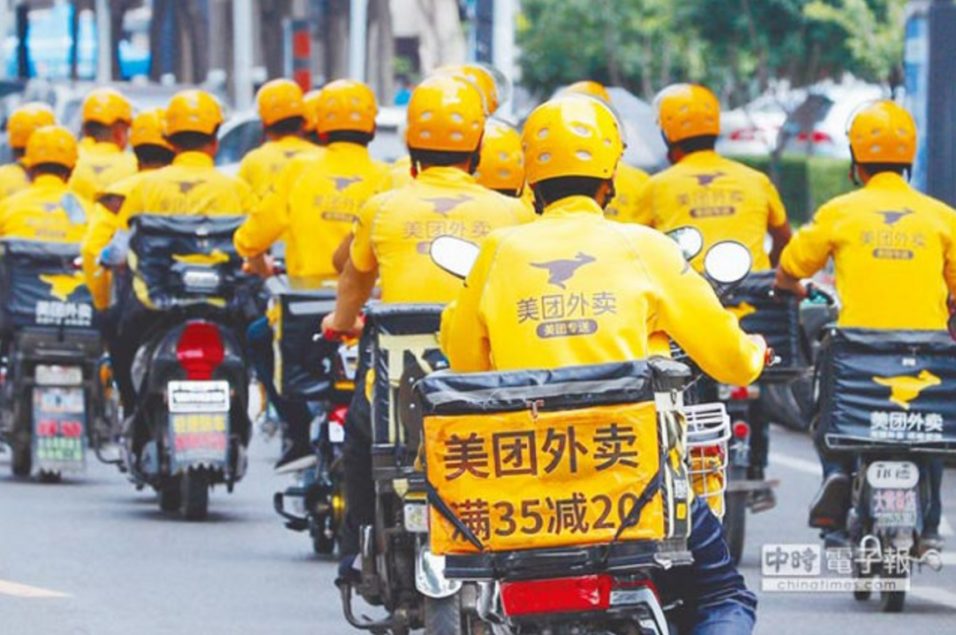
    Meituan couriers on bikes will now be armed with two delivery boxes, a normal one for non-halal food and a smaller one for halal food. Netizens viewed the change as discriminatory and vowed that they will delete the app en masse.

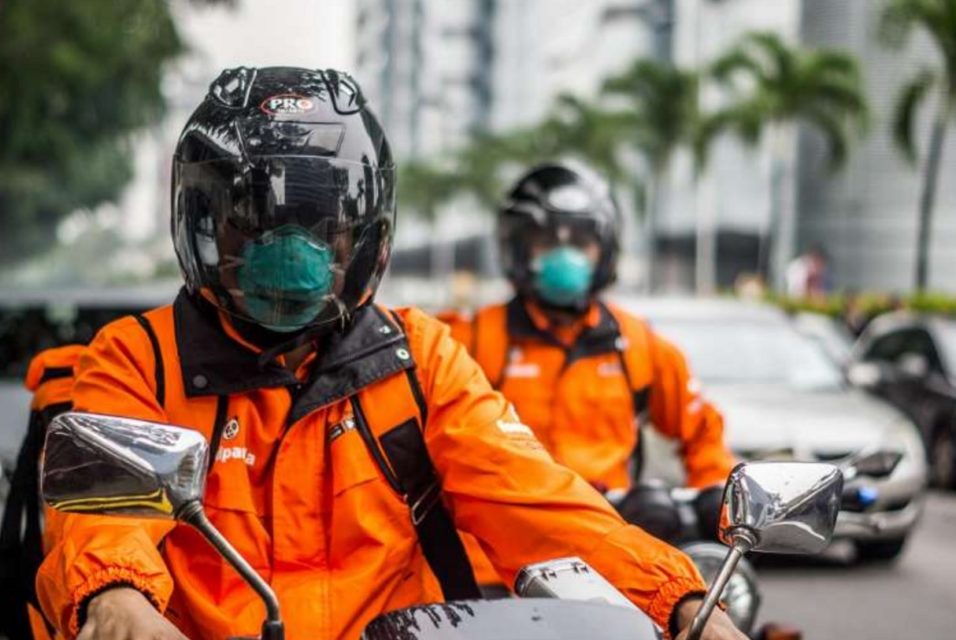
    In Singapore, food delivery services like Ubereats, Foodpanda, Deliveroo and several others are the bike couriers we see day to day on the streets delivering food both (halal and non-halal) to their destinations.

    These couriers store their delivery items inside a bag with their own company name imprinted on it. They do not carry two delivery boxes like what Meituan’s is trying to implement.

    However is not clear though if the bag has compartments inside to separate non-halal from halal food. Or are there dedicated riders to deliver only halal food and only non-halal food? If not, should Singapore follow what Meituan is doing to safeguard the sanctity of minority food?

    We also know that there are Malay riders who do not mind sending orders or food that are not halal. Can we hope for a change to this in the near future?


    Rilek1Corner


  • Mainstream English Media Never Highlight Malay Success Stories, Contribute To Stereotype

    Mainstream English Media Never Highlight Malay Success Stories, Contribute To Stereotype

    The Problem is there was never a HIGHLIGHT about successful Malays in The Straits Times, Sunday Times, Business Times Singapore, are there? . Any stories about Malays who even surpassed other races were only told in our Malay papers.

    I don’t blame other races for not knowing or having doubts that there are successful Malay in Singapore. I am having doubts also….

    What we heard about Malays in the English papers are stories of Malay highest diabetes patient, highest offenders , highest others….best not said. Wallahualam.


    Source: Roslinah Rajab

  • Angry Netizens Deleting Meituan En Masse After Delivery App Introduces Separate Boxes For Halal Food

    Angry Netizens Deleting Meituan En Masse After Delivery App Introduces Separate Boxes For Halal Food

    Popular food delivery app Meituan has stirred up controversy online after announcing that it will begin offering separate logistics infrastructure for halal food, causing Chinese netizens to condemn the company for “discriminating against” non-Muslims while also worrying about the “rise of Islam” in their country.

    Meituan couriers on bikes will now be armed with two delivery boxes, a normal one for non-halal food and a smaller one for halal food, the company announced recently, a change that many netizens apparently see as discriminatory, vowing that they will delete the app en masse.

    One Weibo thread on the controversial topic currently counts nearly 50,000 comments. “Meituan is really acting outside natural morality,” reads the top comment with more than 18,000 likes. Meanwhile, other Weibo users have more specifically charged the company with discriminating against Han people, wondering why separate delivery boxes are not also offered for them or for Buddhists or for people with other religious beliefs which affect their diet. “I don’t like to eat lamb, can I have my own separate delivery box as well?” asked another Weibo user.

    “Meituan delivers both halal food and non-halal food. That really isn’t proper or harmonious. In order to safeguard the sanctity of minority food, we non-halal diners should start using Ele.me [another popular delivery app] instead. That way Muslims will have their own halal app,” argued another netizen, joining calls online to boycott Meituan and delete the company’s app.

    Others have voiced their dissatisfaction with the policy change in different ways. For instance, Twitter user @kitmention points out one netizen who asked Meituan on Weibo to: “Please put my pork soup in your halal-only delivery box.”

    meituan_halal3.jpg

    Meanwhile, some netizens have wondered who exactly is discriminating against whom in this matter. In one popular post, a Weibo user asks “Have anyone’s rights been hurt?” by this logistics change, adding that if you believe that Muslims are really unfairly forcing you to accommodate to their religious beliefs, then are you not also committing the same sin by raising a fuss and calling for a boycott over this issue?

    In response to this argument, another Weibo user has argued that, in fact, separate boxes mean increased delivery costs that will be borne by all customers, not just halal ones, so the change will have direct consequences on the app’s users. And, as for the negative societal effects of such a policy, the netizen worried about how continuing to cater to religious customs could lead to problems down the road, arguing that consumers should be free to vote with their wallets to support or not support Meituan’s new halal boxes.

    More broadly, the controversy over halal delivery boxes appears to have reawakened ethnic fears among Chinese netizens against Muslims. A post by one female business owner on “rising Islamization,” which includes screenshots of a rather Islamophobic story, has gone viral on Weibo with nearly 40,000 shares. The comments below the post are filled with netizens condemning Islam and cautioning their Han brothers and (especially) sisters to be careful about the creeping influence of Islamic culture.

    Founded in 2010 and headquartered in Beijing, Meituan started life as a group buying website that emerged in the wake of the Groupon craze. It merged with restaurant reviews app Dianping in 2015 to form Meituan-Dianping, which now claims to be the world’s largest on-demand delivery platform, receiving up to 10 million orders every day.


    Source: http://shanghaiist.com