Category: Agama

  • Saudi Crown Prince Promises To Destroy ‘Extremist Ideology’ And Revert Saudi Arabia Back To ‘Moderate Islam’

    Saudi Crown Prince Promises To Destroy ‘Extremist Ideology’ And Revert Saudi Arabia Back To ‘Moderate Islam’

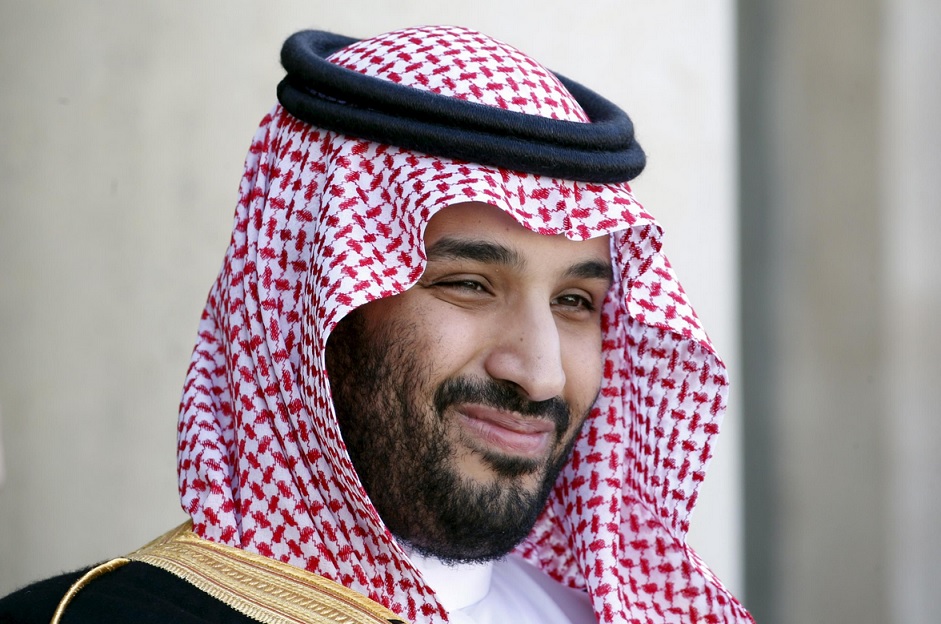
    As his country experiences the early pangs of a cultural and economic transformation, Saudi Arabia’s crown prince vowed Tuesday to destroy “extremist ideologies” in a bid to return to “a more moderate Islam.”

    Speaking at the Future Investment Initiative conference in Riyadh, Crown Prince Mohammed bin Salman said the moves will put the kingdom in lockstep with many other nations as it seeks to transform its economy over the coming decades.

    “We want to lead normal lives, lives where our religion and our traditions translate into tolerance, so that we coexist with the world and become part of the development of the world,” he said.

    It’s a move sure to rile the ultraconservative clerics who have held sway in the kingdom, even if that sway appears to be waning. At the same time, the prince’s declaration will be heralded by Saudi Arabia’s increasingly youthful population and the outside world, on whom the kingdom will rely in its quest to overhaul its finances.

    “Seventy percent of the Saudi population is under the age of 30. In all honesty, we will not spend 30 years of our lives dealing with extremist ideologies. We will destroy them today and immediately,” bin Salman said.

    He continued, “Saudi was not like this before ’79. Saudi Arabia and the entire region went through a revival after ’79. … All we’re doing is going back to what we were: a moderate Islam that is open to all religions and to the world and to all traditions and people.”

    Conference attendees broke into applause.

    ‘Righteousness is on our side’
    Royal shake-up in Saudi Arabia

    Royal shake-up in Saudi Arabia

    Bin Salman’s reference to 1979 was doubtless a nod to a tumultuous year for Saudi Arabia that included Shiite militants overthrowing the secular Shah of Iran and Sunni fundamentalists seizing the Masjid al-Haram, or Grand Mosque, in Mecca. That same year, the country’s Shiite minority staged a deadly revolt in Al-Hasa province.

    The Saudi monarchy responded by shoring up ties with the Wahhabi religious establishment and restoring many of its hardline stances. For instance, it shut down the few movie theaters in the kingdom.

    Saudi police release woman in miniskirt video

    Wahhabism is a form of Islam that bans the mixing of sexes in public and puts myriad restrictions on women — among them, the requirement that they need permission from a male guardian to work or travel. Saudi Arabia’s religious police were given great leeway to enforce the restrictions.

    The tentacles of Wahhabism reached deeply into Saudi life, influencing its courts, politics and foreign policy, as elder kings with tight relations to the religious establishment ruled for the next few decades.

    In 2015, King Salman bin Abdulaziz Al-Saud took the helm, along with bin Salman, ushering in a new era of Saudi politics. The king promoted bin Salman to crown prince, making him heir apparent, in June.

    The two curbed the authority of religious police, taking away their power to arrest citizens. They allowed the first music concerts in decades, cracked down on religious incitement and granted women a growing list of rights — most notably the right to drive, which will take effect next year.

    “Some clear steps were taken recently and I believe we will obliterate the remnants of extremism very soon,” bin Salman said at Tuesday’s conference. “I don’t think this is a challenge. It reflects our values of forgiveness, righteousness and moderation. Righteousness is on our side.”

    The challenges ahead
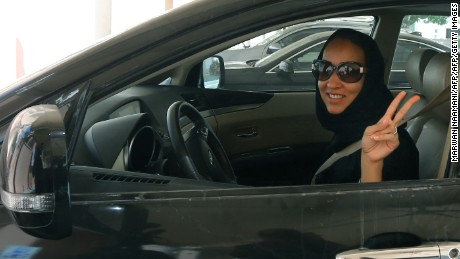
    Saudi activist hails end of ban on women driving

    Saudi activist hails end of ban on women driving

    Watchdog groups say Saudi Arabia has a long way to go. Weeks ago, the kingdom said it planned to indict “radical” Twitter users who were “harming the public order.”

    Amnesty International, Human Rights Watch and the Committee to Protect Journalists have reported in recent months that the kingdom still targets peaceful activists and jails reporters, while state clerics incite hatred against the Shia minority and the Saudi-led coalition in Yemen perpetrates crimes against children.

    Little girl opens the world's eyes to Yemen conflict

    In applauding the move to allow women to drive, Human Rights Watch’s Liesl Gerntholtz told CNN last month that Saudi women still face a plethora of hardships in daily life — namely laws that govern the guardianship of women.

    “This prohibition on driving is just one in a vast series of laws and policies which prevent women from doing many things,” she said. “The guardianship rule stops women from making every decision in her life without the assistance of a male relative, even if that relative is her 7-year-old son.”

    It’s also worth noting that while the world and many in Saudi Arabia — including the Saudi Senior Scholars Council, the kingdom’s highest religious body — commended the royal order allowing women to drive — many Saudis took to Twitter to promote the hashtag, #The_People_Refuse_Women_Driving, as Wahhabi sheikhs predicted, “This is the end of Saudi.”

    Economy, culture collide
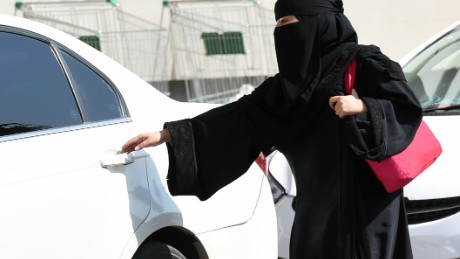
    saudi women driving

    Spokeswoman defends progress in Saudi Arabia

    While permitting women to drive might seem like a cultural move, bin Salman also painted it as an economic one that will bring more women into the workforce. It’s no coincidence that he raised the economic aspect of pursuing a more tolerant Islam as he delivered his remarks at the investment conference in the Saudi capital on Tuesday.

    The crown prince faces the daunting task of revamping the Saudi economy, and quickly. He is spearheading a reform plan called Vision 2030 that aims to wean Saudis off government aid and diversify an economy almost wholly dependent on oil.

    Oil, whose prices have dropped precipitously in recent years, directly or indirectly employs roughly 70% of the population. Meanwhile, Saudis pay no taxes and receive free education, free health care and subsidies for most utilities.

    In 2015, the International Monetary Fund forecast that the Saudi economy would run out of financial reserves by 2020.

    The government has been able to reduce subsidies for gas and water. There is a proposal to sell a chunk of the state-owned oil company, Aramco, which could raise a substantial sum. On the flip side, efforts to cut bonuses and benefits for Saudi government officials did not pan out and the notion of taxing Saudis is a nonstarter.


    Source: http://www.cnn.com

  • 3 Tafsiran Ahok Atas Pepatah ‘Tuntutlah Ilmu Sampai ke China’

    3 Tafsiran Ahok Atas Pepatah ‘Tuntutlah Ilmu Sampai ke China’

    Jakarta – Gubernur DKI Jakarta Basuki Tjahaja Purnama (Ahok) mengungkapkan dia punya tafsiran pepatah ‘tuntutlah ilmu sampai ke negeri China’. Ahok menyatakan hal ini saat menghadiri pelantikan Dewan Pengurus Wilayah (DPW) Badan Komunikasi Pemuda Remaja Masjid Indonesia (BKPRMI) DKI Jakarta.

    “Banyak sekali hadist nabi yang saya pengen tahu tafsirannya. Seperti ‘tuntutlah ilmu sampai ke negeri China. Saya penasaran tapi dulu guru SMP saya saat ditanya enggak tahu dan hanya bilang hadisnya kurang kuat dan masih diperdebatkan,” kata Ahok di Balai Kota, Jakarta Pusat, Jumat (5/12/2014).

    Tak puas, suami Veronica Tan ini pun lantas mencoba-coba membuat tafsirannya sendiri. Dia mengaku penasaran kenapa yang disebut harus negeri China.

    “Saya coba pikirkan, akhinya saya ketemu, ini tafsiran ala saya sendiri ya. Wajarlah dibilang sampai ke negeri China, lihat saja Tiongkok begitu maju budayanya,” kata dia.

    Dari perenungannya dan hasil membaca berbagai teori filsafat asal negeri Tirai Bambu itu, Ahok menemukan tiga keunggulan yang membuat Tiongkok layak untuk ditiru.

    “Pertama di sana ada ajaran Konfusius. Dia prinsipnya kalau bicara pendidikan tidak boleh ada pengkotakan. Tidak ada diskriminasi untuk pendidikan. Coba lihat kalau di kita, semua diskriminasi,” tuturnya.

    Menerapkan prinsip pertama itu, Ahok pun ingin menghapuskan diskrimasi antara si kaya dan miskin dalam hal pendidikan. Dia memberikan KJP bagi pelajar yang tak mampu. Mulai tahun depan jumlahnya pun akan ditingkatkan dari hanya Rp 200 ribu per bulan menjadi Rp 800 ribu.

    Prinsip kedua, yakni dewa dalam tradisional Tiongkok yakni Fu De Zheng Shen, yang dalam Hokkien dibaca Hok Tek Ceng Sin. Fu yang bersimbol kotak bermakna petak sawah. Dia menafsirkannya bahwa tiap orang harus punya lahan atau sawah agar bisa makmur.

    “Orang harus ada usaha yang adil, bukan hanya untuk orang kaya. Makanya kita mau bangun areal untuk menampung para PKL,” tambah Ahok.

    Tafsiran ketiga yang dipetiknya dari negeri Tiongkok itu yakni bahwa jika kepala lurus maka bawahannya juga pasti lurus. “Makanya kalau punya gubernur, bupati dan walikota yang lurus, bawahannya masih berani korupsi enggak? Pasti takut,” pungkas Ahok.

    “Nah kalau ini kita terapkan Jakarta pasti makmur. Ini tafsiran saya atas menuntut ilmu sampai ke negeri China,” kata Ahok sambil tertawa.


    Source: https://news.detik.com

  • Meet Ghostbuster Sa’ad Ja’afar, A 44yo Self-Proclaimed Hantu Hunter Offering Long-Range Ghostbusting Services

    Meet Ghostbuster Sa’ad Ja’afar, A 44yo Self-Proclaimed Hantu Hunter Offering Long-Range Ghostbusting Services

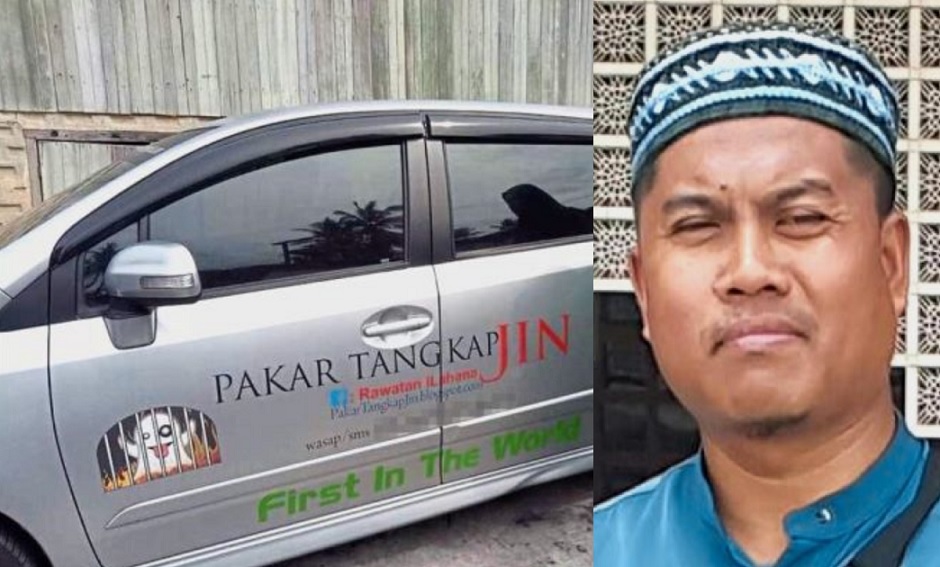
    If there are spooky apparitions in your neighbourhood, who do you call? You call ghostbuster Sa’ad Ja’afar apparently.

    The 44-year-old self-proclaimed hantu hunter will end the hauntings … and from afar.

    All it takes is a phone call and no matter the distance, he will work on it.

    Sa’ad said he can reach anywhere in the world from his centre here, to get rid of ghosts or end hauntings but the furthest he has done so thus far is Sabah – “I caught a jinn (an evil spirit) there”.

    “I don’t need to be physically present to help those who need my services to rid their premises of the supernatural,” said the ghostbuster who hails from Melaka.

    He claims his centre – Rawatan iLahana – is the “first in the world” to offer long-range ghostbusting services.

    Assisted by Mohd Azim Adam, 46, Sa’ad started the centre in 2015 and claims to have cleansed some 300 locations nationwide to date. Among his satisfied clients, he counts 70 of different faiths.

    In that time, he and his assistant caught a large number of jinn, which he said have been imprisoned at a secret location near a mosque.

    “We keep them near a mosque so that they will be encouraged to repent for their sins,” he said.

    It’s RM200 for a two-hour session but customers can pay according to their means, he said.

    According to Sa’ad, the conventional way of fighting jinn and ghouls is to use black pepper and rock salt, “but these only scare them away”.

    He said jungles, mountains, waterfalls, lakes and rivers are favourite haunts for such spirits.


    Source: http://www.thestar.com.my

  • Parents Cium Mulut Anak-Anak, Permissible?

    Parents Cium Mulut Anak-Anak, Permissible?

    Bila aku kata aku tak agree parents cium mulut anak2, ada parents yang ngamuk ngan aku. Kata aku takde anak, takyah pandai2 nasihat orang tentang anak. Kata aku sexualized an act of love. Love kebabai.

    When I was studying, I read on pedophiles, studied the effects of pornography, why what and how.. So kalau aku share apa yang aku blaja.. aku pak pandir. Okay fine. Bibir anak2 bukan tempat cium untuk show kasih sayang. Ajar anak2 dari kecik mana tempat boleh kiss.. mana tak boleh. Mana tempat boleh touch, mana tak boleh. Anak2 tak faham. Tapi orang tua faham. Ada kepala otak. Jaga anak2 sendiri.

    Kita kiss mulut anak. Si pakcik otak pedophile tengok, dia pon nak buat. Anak2 think its okay, so budak2 ni biarkan si pakcik ni cium mulut diorang. Nak tunggu benda jadi baru nak menyesal ke? Jangan dress up kan anak2 macam mini adults. They dont need to be sexy. Jangan pakaikan make up. Jangan bagi diorang hug and kiss any strangers.

    And… If they tell you that someone touched them inappropriately, believe them. Take care of your kids. Reading all these sexual assault stories makes me sick to my stomach. Patutla victim jaga anak2 diorang melampau2. Tak boleh dekat ngan sesiapa. Sebab they have been molested at a fragile age of 5.. Some were raped at the age of 6. Mana mak? Mana bapak? “Pak usu buat apa ni? Kenapa bukak seluar?”


    Source: Khainis Tahir

  • Philippines Arrest Top Female IS Recruiter, Ex-Wife Of Radicalised Singaporean

    Philippines Arrest Top Female IS Recruiter, Ex-Wife Of Radicalised Singaporean

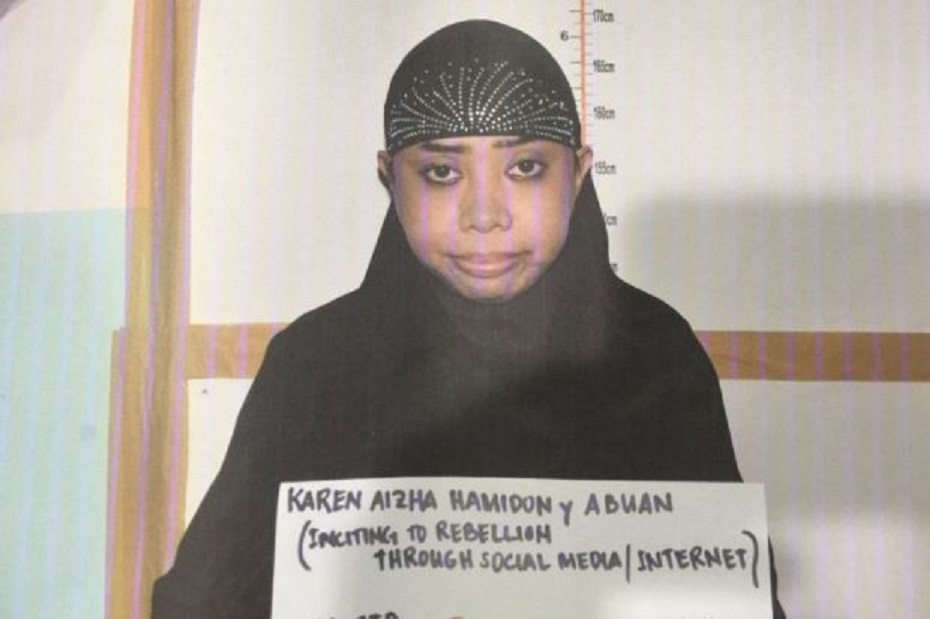
    MANILA: Philippine security forces have arrested a 36-year-old Filipino woman suspected of recruiting, via social media, fighters from around the world for the ultra-radical Islamic State (IS). Karen Aizha Hamidon was arrested in Taguig city, an hour east of the capital Manila, on Oct 11, Justice Secretary Vitaliano Aguirre announced at a news conference on Wednesday. Aguirre said Haidon was formerly the wife of Singaporean Muhammad Shamin Mohamed Sidek, a security guard detained in Singapore in August 2015 for planning to join IS and using social media to incite violence.

    Hamidon later married Mohammad Jaafar Maguid, a Filipino, who led ISIS-linked Ansar al-Khilafah Philippines till he was killed by police in January this year, according to Mr Aguirre. Aguirre said Hamidon was also a close associate of Musa Cerantonio, an Australian Islamist preacher who was purportedly recruiting fighters for IS. Rebellion charges are being readied against Hamidon in relation to 296 social media posts linked to her seeking to recruit reinforcements for besieged Muslim militants in the war-torn southern city of Marawi.

    “It is very clear that her actions are in conspiracy, or in sync, with actions of the rebels. While her companions are fighting in Marawi, her part is to further recruit fighters to assist in the Marawi siege by the IS and Maute groups,” said Aguirre. Hundreds of Muslim militants stormed Marawi on May 23 in an audacious bid to turn it into an IS “province”. They have held on to parts of the city for nearly five months. News of Hamidon’s arrest comes two days after security forces in Marawi battled and killed Isnilon Hapilon, designated by IS as its top man in South-east Asia; and Omarkhayam Maute, co-leader of a group that provided the bulk of fighters that attacked Marawi.

    On Tuesday (Oct 17), President Rodrigo Duterte declared that Marawi had been “liberated from terrorists’ influence” following the deaths of Hapilon and Maute, though the army has yet to dislodge a pocket of militants entrenched in the heart of the city. More than 1,000 militants, government troops and civilians have been killed and about 400,000 people displaced. Half of Marawi lies in ruins, levelled by air raids, artillery barrages and fierce urban fighting. Indian intelligence officials last year sought help from Philippine authorities, after Hamidon’s name cropped up as administrator of Facebook, Telegram and WhatsApp groups that sought to recruit Muslims in India to fight for IS in Iraq and Syria.

    Mohammad Sirajuddin, 33, a marketing manager with the Indian Oil Corporation arrested in December 2015, said it was Hamidon who first contacted him on Facebook and WhatsApp and convinced him to join IS in Syria. A profile provided by India’s National Investigation Agency said Hamidon’s father was a Muslim. He died when she was 20 years old. Her mother was a Christian, and brought her up as a Christian. But she and her two sisters converted to Islam about 10 years ago.


    Source: The Star