Category: Politik

  • Malaysia Sparks Anger After Banning Book Published In Singapore About Moderate Islam

    Malaysia Sparks Anger After Banning Book Published In Singapore About Moderate Islam

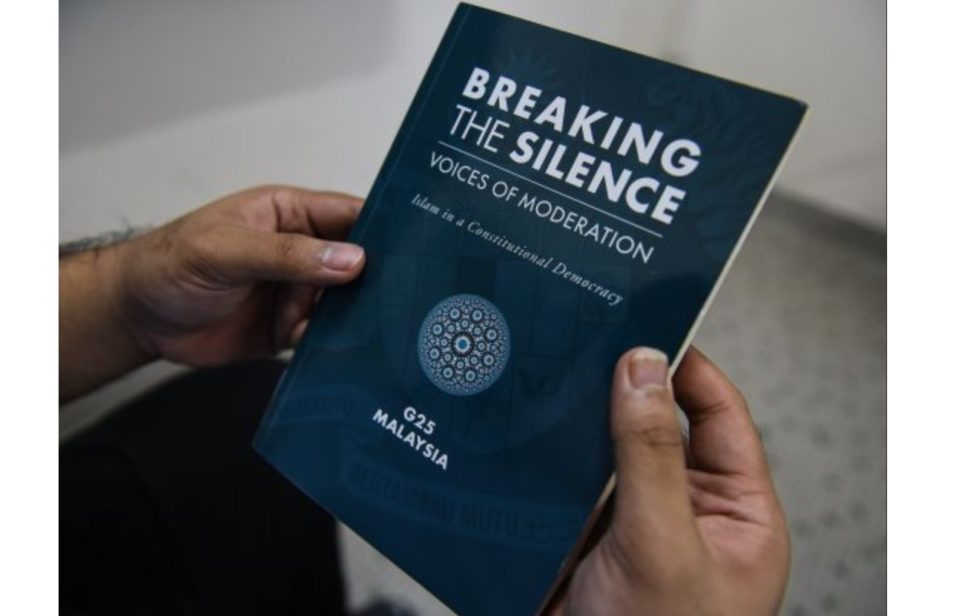
    Activists and authors in Muslim-majority Malaysia reacted with outrage Tuesday (Aug 2) after authorities banned a book aimed at promoting moderate Islam, as concerns mount about growing conservatism.

    The book, Breaking The Silence: Voices Of Moderation — Islam In A Constitutional Democracy, is a collection of essays whose publication was organised by a group of prominent Muslim Malaysians pushing a more tolerant form of Islam.

    The ban, signed by Deputy Prime Minister Ahmad Zahid Hamidi, said that printing or possessing the book was “likely to be prejudicial to public order” and “likely to alarm public opinion”.

    Anyone breaching the ban on the book — which was published in neighbouring Singapore — can be jailed for up to three years.

    Malaysia routinely bans books, movies and songs that may contain sensitive material regarding religion or sex, but critics say the government has been clamping down harder in recent times.

    The book was the brainchild of a group of high-ranking former civil servants and diplomats known as the “G25” — for the number of its founding members — which was formed to push back against intolerance, and some of the essays were written by its members.

    Mr Chandra Muzaffar, one of the authors featured in the collection, said the ban showed the government’s “authoritarian approach to Islam”.

    “It’s a collection of essays which is intended to show that extremists and bigoted thinking on matters pertaining to the practice of Islam in the country should be combated in an intellectual manner,” he told AFP.

    Ms Marina Mahathir, a rights activist and daughter of former long-serving premier Mahathir Mohamad, said the ban — signed last week — was aimed at silencing government critics.

    “It is about silencing anybody who has a different view,” she said.

    Critics say the government clampdown on anything deemed un-Islamic has accelerated in recent times as Prime Minister Najib Razak’s party seeks to appeal to its Muslim Malay base amid speculation elections could be called in the coming months.

    In July the hit song Despacito was banned on state TV and radio due to its racy lyrics after pressure from an Islamic political party.

    More than 60 per cent of Malaysia’s population of over 30 million are Muslim, but the country is also home to significant religious minorities.


    Source: http://www.todayonline.com/

  • Mahathir Hits Back At Dig About His Indian Roots

    Mahathir Hits Back At Dig About His Indian Roots

    Former Malaysian premier Mahathir Mohamad has been trading barbs with Prime Minister Najib Razak over the last two years over the scandal involving state fund 1Malaysia Development Berhad (1MDB), with Datuk Seri Najib defending his record and mounting counter attacks.

    In the past week, however, the attacks against Tun Dr Mahathir have also come from Deputy Prime Minister Ahmad Zahid Hamidi, as the government tries to weaken the standing of the 92-year-old politician among Malay voters.

    Dr Mahathir was a feared strongman during his 22 years as prime minister until 2003, but it is now open season for him as he leads the opposition alliance into the next election.

    Dr Mahathir still has some influence among older Malays, as his leadership brought economic prosperity to Malaysia and lifted many Malay families from poverty.

    Mr Najib has attacked Dr Mahathir in recent weeks by reminding the public that many scandals happened during the Mahathir era, including the foreign-exchange losses incurred by the central bank in the 1980s, which ran into billions of dollars, local media has reported.

    Mr Najib also claimed that the MRT system should have been built long ago to boost public transport, but Dr Mahathir instead threw billions of dollars away setting up a national car industry through Proton.

    Datuk Seri Zahid joined the attacks last weekend when he took a dig at Dr Mahathir’s ancestry, saying the veteran politician’s identity card (IC) showed he was Indian because his name was stated as Mahathir a/l Iskandar Kutty. The “a/l” refers to “anak lelaki”, or “son of”, a naming convention used by Malaysians of Indian descent. Malay men on their ICs carry “bin”, which refers to “son of”, in the patronymic style used in Malaysia.

    Mr Zahid also read out the full IC number of Dr Mahathir, which alarmed some observers as this was supposed to be confidential information.

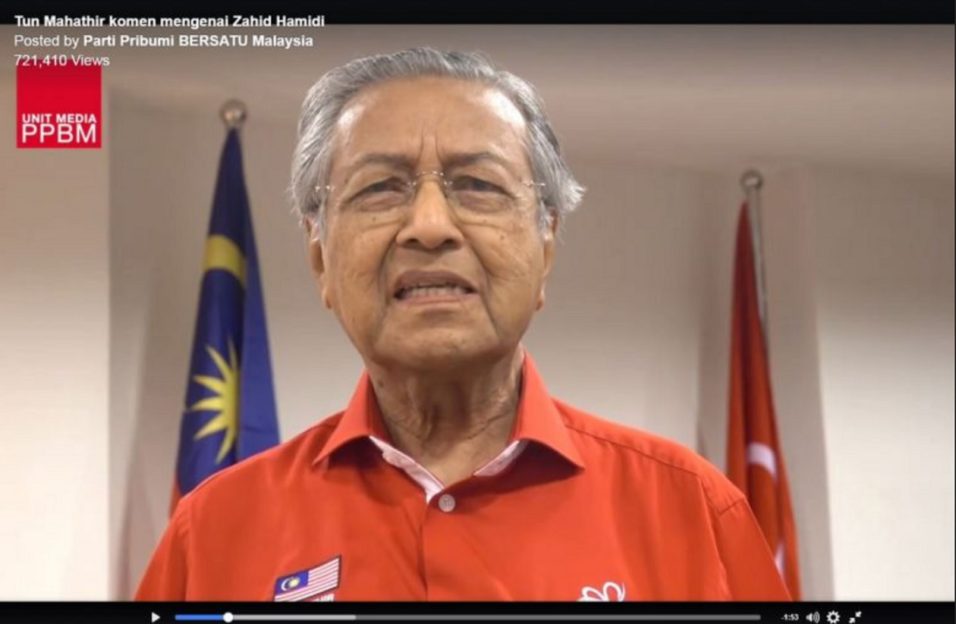
    The former PM called Mr Zahid, who is also Home Minister, a “big liar” as there was no such IC.

    “This is good enough to show that Zahid is a big liar. A big liar because he cannot show the blue-coloured identity card,” Dr Mahathir said on Monday, in a video on the Facebook page of his party Parti Pribumi Bersatu Malaysia. “I can still remember the first identity card I received. I was still in university at the time.”

    Dr Mahathir’s daughter Marina Mahathir said Iskandar was the name of her father’s grandfather.

    While not denying her Indian heritage, she said the late Iskandar had married into a prominent Malay family.

    Mr Zahid’s deputy at the Home Ministry, Datuk Nur Jazlan Mohamed, defended his boss yesterday, saying the IC is a public record and there was nothing wrong in sharing that information with the public.

    Dr Mahathir, in the same video, made his own explosive claim about Mr Zahid. The Deputy PM – not long after he was elevated to the position by Mr Najib – had asked him for support to become the next prime minister, said Dr Mahathir.

    “Zahid should remember, when he became the DPM, he came to see me to try and seek my sympathy, my support,” Dr Mahathir said in the video. “I told Zahid the truth. Even if Najib were to resign, which is impossible, Zahid must still wait for Umno to decide who should replace Najib.”


    Source: http://www.straitstimes.com/

  • Damanhuri Abas: Sempena Kita Melayu Dan Budaya Melayu Kita

    Damanhuri Abas: Sempena Kita Melayu Dan Budaya Melayu Kita

    Sempena Kita Melayu dan Budaya Melayu kita:-

    1. Kepelbagaian yang sempit tidak mencerminkan kematangan bangsa dan negara dan bercanggah dengan hakikat masyarakat berbilang kaum yang telah dan segar wujud di Singapura. Keindahan warna warni dalam bangsa melayu sendiri janganlah di kelirukan dengan kejumudan persepsi fikiran kita yg cuba membenarkan definasi melayu yang terbatas.

    2. Kenapa acapkali pandangan-pandangan yang bercanggah sering timbul dari Pemerintah. Dalam satu aspek seperti isu Presiden Melayu, kita disuruh bersikap inclusive menerima orang lain yang telah dimelayukan. Tapi dalam hal gaya hidup tidak pulak bersikap inclusive malahan sangat jumud and cetek pandangan.

    3. Bila lagi Pemerintah nak ubah sikap dan menerima setiap lapisan cerdik pandai tanpa pengkecualian dari kumpulan mahupun individu yang prihatin dan peka terhadap kepentingan bangsa melayu. Setelah 50 tahun menentukan kepimpinan melayu yang Pemerintah suka, apakah hasil yang boleh dibanggakan.

    4. Hari ini tidak ada kekuatan dan mercu tanda sosial yg seharusnya sudah pun wujud yang kita orang Melayu boleh banggakan. Orang India ada Little India, orang asing filipina ada Little Manila, kita tidak ada apa yang setanding padahal jumlah kita lebih ramai dibandingkan golongan minoriti tersebut. Di mana silapnya.

    5. Sikap curiga pemerintah terhadap golongan yang di luar jangkawan kuasa mereka harus dihapuskan. Ia bertentangan langsung dengan budaya melayu yang meraikan kepelbagaian, mementingkan gotong royong dan kesatuan tak kira siapa yang ingin menyumbang.

    6. Kita mempunyai hak istimewa dalam perlembagaan negara yang menjamin status melayu sebagai pribumi. Adakah status ini setelah 50 tahun merdeka menguntungkan atau sebaliknya. Sudah tiba masanya untuk kita mengkaji dan membincang secara terbuka dan jujur demi mendapat jawapan yg tepat supaya bangsa ini boleh benar-benar berdikari dan mustahil bangsa ini tidak mampu menandingi pencapaian bangsa-bangsa lain jika diberi peluang yang sama.

    7. Banyak isu yg lebih penting yg kita ketepikan dalam menyemarakkan sejarah kebudayaan bangsa melayu di bumi Temasek ini. Janganlah kita mempersendakan kemampuan bangsa kita sendiri dengan kejumudan minda kecil kepimpinan mereka dalam merumitkan sesuatu yang sudah menjadi perkara lumrah.

    8. Kita bertanggungjawab bersama untuk menyemaikan sifat kebanggaan kepada bangsa melayu kita dalam jiwa setiap anak muda kita. Sebenarnya terlalu lama anak-anak muda kita dikecewakan daripada merasai naluri murni yg terpendam dalam jiwa mereka. Mereka rindukan jatidiri melayu Singapura yang boleh dibanggakan. Menjadi kesilapan besar jika orang melayu yang bangga dengan sejarah dan budaya bangsa mereka dianggap tidak setia kepada negara. Ini bukanlah keindahan kepelbagaian bangsa yang termaktub dalam perlembagaan negara.


    Source: Damanhuri Bin Abas

  • Academic: Calls To Make Malay Official ASEAN Language Futile

    Academic: Calls To Make Malay Official ASEAN Language Futile

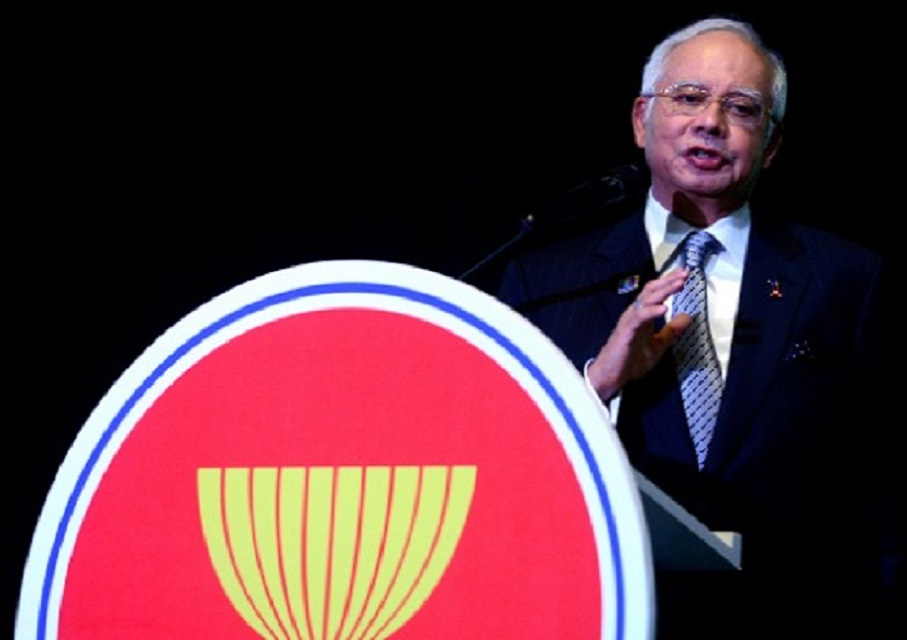
    The proposal to adopt the Malay language (Bahasa Melayu) as ASEAN’s “main and official language” is a non-starter, and even futile. This call, made by Malaysian Prime Minister Najib Tun Razak in Kuala Lumpur on 26 July 2017, comes after a similar suggestion by his Communications and Multimedia Minister Salleh Said Keruak in 2015 when Malaysia held the rotating ASEAN chairmanship. He made the case that Malaysia “need to show that the Malay language is a relevant and dynamic language that can act as the ASEAN language.”

    These calls will fall on deaf ears outside of selected audiences in Malaysia. In the first instance, ASEAN has adopted English as the working language since its establishment in 1967. This practice was later institutionalised in the ASEAN Charter in 2007, Article 34 of which unequivocally states that “the working language of ASEAN shall be English.” Revising this provision requires the unanimous support from Malaysia’s fellow ASEAN member states, most of whom may find it onerous to support a seemingly nationalistic cause to promote the cultural and linguistic heritage of only one particular member state.

    It is interesting to note that the ASEAN Leaders, in approving the Charter, opted for the term “working language” instead of “official language,” which can be interpreted as a sign of respect for the plethora of member states’ national languages. The adoption of any part of a specific Southeast Asian language as the official language would stir political backlash from other ASEAN communities, which may interpret the move as a form of political and cultural dominance. Arguably, the English language might be a non-native language of a former colonial power in the region, but this “neutral” attribute serves to unite ASEAN’s diverse socio-cultural make-up, providing a level political playing field for all member states.

    The fact that English is lingua franca has facilitated ASEAN’s interactions with its Dialogue Partners and the wider global community.  ASEAN can play a more effective role in bring the “regional story” beyond Southeast Asia and reaching out to other regions using a global language. In multilateral organisations throughout the world like the United Nations and World Trade Organisation, English is the working language. Thus, attempts to replace English as the working language with any other languages would rollback ASEAN’s gains in positioning the regional organisation as a global entity, and hamper future efforts to connect with the wider global community.

    At face value, Prime Minister Najib’s proposal is an attempt to bolster his political credentials by championing the Malay language ahead of the general elections due by May 2018. However, his actions cannot be summarily dismissed as a domestic matter because as an ASEAN Leader, he has the recourse to push this cause at ASEAN Summits. If he follows through with this unrealistic proposal at the regional level, he might force his fellow ASEAN leaders into the conundrum of having to defend the primacy of their respective languages and promote their language as ASEAN’s main and official language as well.

    Instead of focusing on the trivial, ASEAN should attend to more urgent and pressing matters of community-building. Playing up the divisive nature of language politics might fray ASEAN unity.

    The writer, Dr Tang Siew Mun, is Head of the ASEAN Studies Centre, ISEAS–Yusof Ishak Institute.


    Source: https://iseas.edu.sg


  • Dr Tan Cheng Bock: In A Democracy, We Must Question, Exchange Ideas

    Dr Tan Cheng Bock: In A Democracy, We Must Question, Exchange Ideas

    What is the definition of an Elected President? Does the government have the discretion to decide when to start a term count before a reserved election is triggered? And was the Attorney-General’s Chamber’s (AGC) advice to the Prime Minister on the reserved election a “mistake of law”?

    These were the issues that took centre stage during former presidential candidate Tan Cheng Bock’s appeal against a High Court ruling on his constitutional challenge to the timing of the reserved presidential election

    The case was heard on Monday (31 July) in a packed gallery at the Court of Appeal before five judges: Chief Justice Sundaresh Menon, Judge of Appeal Judith Prakash, Judge of Appeal Steven Chong, Justice Chua Lee Ming and Justice Kannan Ramesh. Some 50 members of the public, many of them supporters of Tan, also waited outside the courtroom.

    Tan and his wife Cecilia were both present. Aljunied Member of Parliament Sylvia Lim, whose name was referenced several times during the hearing, was spotted in the gallery, along with former National Solidarity Party chief Lim Tean.

    The High Court ruling

    This year’s presidential election is reserved for Malay candidates, following constitutional amendments last year that reserves an election for a particular racial group that has not been represented in the office for five consecutive terms. The term count starts from the late Wee Kim Wee, according to the government, as he was the first to wield the powers of an Elected President.

    Earlier this month during a High Court hearing on his legal challenge, Tan argued through his lawyer Chelva Retnam Rajah that the term count should start from the late Ong Teng Cheong as Wee was not elected by a popular vote. In rejecting his arguments, Justice Quentin Loh noted that the Constitution states that a President can be “any person for the time being exercising the functions of the office of the President”.

    Loh referred to two articles of the Constitution. Specifically, “Article 19B(1) provides for a Reserved Election for a community if no person from that community has held the office of President for any of the five most recent terms of office of the President” while “Article 164(1)(a) provides for Parliament to specify the first term of office of the President to be counted under Article 19B(1) (“First Term”).”

    The High Court then also found that there is nothing in the text or textual context which limits Parliament’s power by requiring Parliament to start the term count from the term of office of a popularly elected President.

    The appellant’s claims

    Rajah, who represented Tan again, argued his case against the ruling on three main points. Firstly, he maintained that Article 2 of the Constitution, which sets out the definition of the “president of Singapore”, refers only to an Elected President. The term count should therefore start with the late President Ong.

    Secondly, President Wee’s second term in office was only chosen for the start of the term count because Parliament mistakenly thought he was an Elected President. Rajah pointed out that the “specific mischief” outlined in Article 19B(1) was to invoke a reserved election if a particular race had not been represented for five consecutive elections.

    Thirdly, Parliament acted under a “mistake of law”, based on the advice of the AGC, which has not been publicly disclosed. Rajah noted Prime Minister Lee Hsien Loong’s speech to Parliament on 7 November last year, when Lee said, “We have taken the Attorney-General’s advice. We will start counting from the first President who exercised the powers of the Elected President, in other words, Dr Wee Kim Wee. That means we are now in the fifth term of the Elected Presidency.”

    Rajah noted that during the parliamentary debate on amendments to the presidential election last November, Aljunied MP Sylvia Lim had prefaced her questions with a statement that the Attorney-General advised the PM to start the term count from President Wee, “no one corrected her, not even PM Lee”.

    CJ Menon noted, “You’re saying (that) Parliament’s decision was repeatedly framed by the Attorney-General’s advice (and) predicated on legal advice which you contend is wrong.”

    In response, Rajah quipped, “Your Honour has perhaps understood my argument better than I have.”

    The respondent’s claims

    Proceedings were temporarily interrupted when Zeng Guoyuan, a would-be parliamentary candidate on multiple occasions, was escorted out of the gallery by a security officer after he continually interrupted the hearing with his remarks. “Don’t waste the court’s time,” he said, as he walked off.

    Representing the government, Deputy Attorney-General Hri Kumar said, “There has been a narrative since this application was filed…that there has somehow been a re-writing of history…that Wee Kim Wee has been deemed an elected president. (But) no one said he was an elected president…the government had to start the count somewhere and it gave its reasons for starting with Wee Kim Wee.”

    Kumar charged that Tan’s case was based on “staggering errors of fact, law and logic”. He stressed that Article 164, a transitional provision for Article 19B, gives Parliament “unfettered” discretion to decide when to start the term count and does not restrict it to popularly elected presidents.

    Addressing Rajah’s claim that there had been a “mistake of law” following the Attorney-General’s advice on the reserved election, Kumar denied this. “The nature of the advice was not disclosed or even discussed in Parliament. The Prime Minister started the count from Wee Kim Wee not because he was an elected president, but because he exercised the powers of the Elected President. It was a policy decision.”

    He added, “The appellant asserted that the Attorney-General had told the Prime Minister to start the count from Wee Kim Wee, which is not what the Prime Minister said at all.”

    Judgement has been reserved in the case. It is not known when the Court of Appeal will make its decision known.

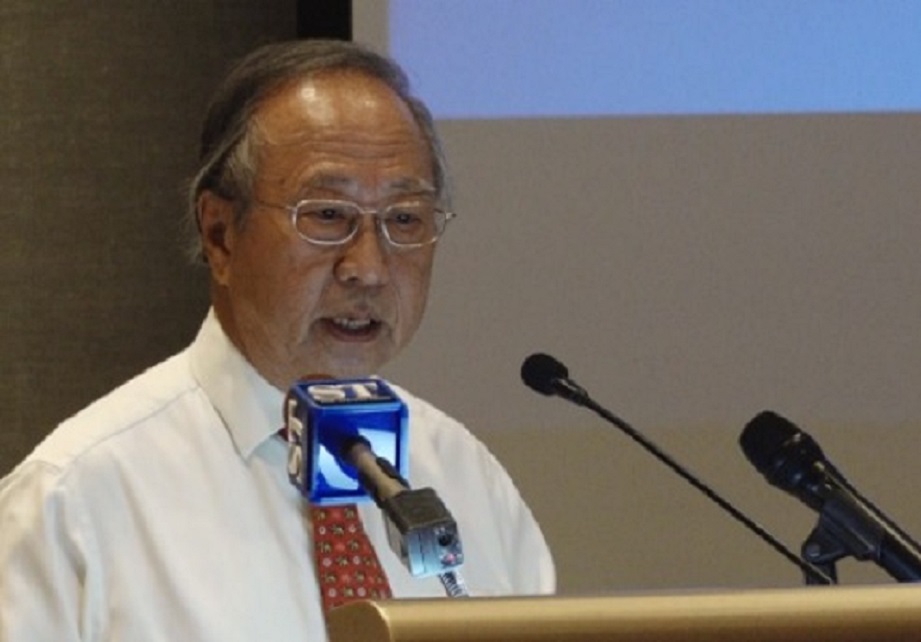
    Speaking to reporters at the end of the hearing, Tan said, “It is not just acceptance (of the government’s decision), we must question it…If at the end, it is found we were wrong, then we accept it. That is what democracy is about: exchange of ideas.”

    His wife Cecilia added, “If we are right, the government should accept it as well.”

    Source: https://sg.news.yahoo.com