Category: Singapuraku

  • Why Not Make Thaipusam A National Holiday Again Alongside Deepavali, CNY And Hari Raya?

    Why Not Make Thaipusam A National Holiday Again Alongside Deepavali, CNY And Hari Raya?

    Another year, another incident. You’ve probably seen it – that viral video taken at the Thaipusam procession, or at least heard of its existence: How a volunteer officer from the Hindu Endowment Board (HEB) allegedly disrupted a procession over the use of musical instruments and amplification.

    Netizens have criticised the HEB and the authorities for disrupting the procession. Several in the Hindu community that The Pride spoke to feel that the authorities should allow them to carry out their religious rites without interference. The authorities have clarified that they have been accommodating to the Hindu community even if some may have broken the law, and the HEB has also since stated that the most recent incident has been settled amicably with the devotees.

    Yet, each year, what is supposed to be a joyful, religious festival for the Hindus seems only to be remembered for the disputes between devotees and the authorities.

    There have been umpteen calls to lift the ban on musical instruments at the procession – a ban which was put in place to control the noise levels. Those arguing against the ban often point out that lion dance troupes make plenty of noise – in public – too.

    Lion dance troupes with their drums and cymbals that are so active during the Chinese New Year period are arguably a lot noisier and affect far more people over a longer period than the Thaipusam devotees with their hand-held instruments and amplified voices, but Law Minister K Shanmugam, in a Facebook post made three years ago, said that lion dance troupes perform during social or community events and not religious events.

    This ban on music is not in place to discriminate against Hindus. Mr Shanmugam said that Hindus are given exemption from the law against religious foot processions during Thaipusam. He added that the Thaipusam procession goes through major roads – a privilege not afforded any other religious group.

    The procession is by no means a silent one: This year, there were 19 points along the 3.1km stretch from which music was transmitted and three stages along the route where live music was played.

    Retired police officer M Kunalan, 70, carried the spiked kavadi several times during his younger days. He says that there are troublemakers among the younger group of devotees who challenge the authorities and play their music loudly, disturbing the peace in what is supposed to be a solemn occasion.

    “These groups should be investigated and brought to task under the law. They bring shame to the Hindu community during a sacred festival,” he told the Pride.

    But is there a way to be even more accommodating to the Hindu community? Could there be more done to ensure that they are allowed to celebrate Thaipusam – which is to mark the victory of the deity Lord Murugan over evil?

    How about making Thaipusam a national holiday?

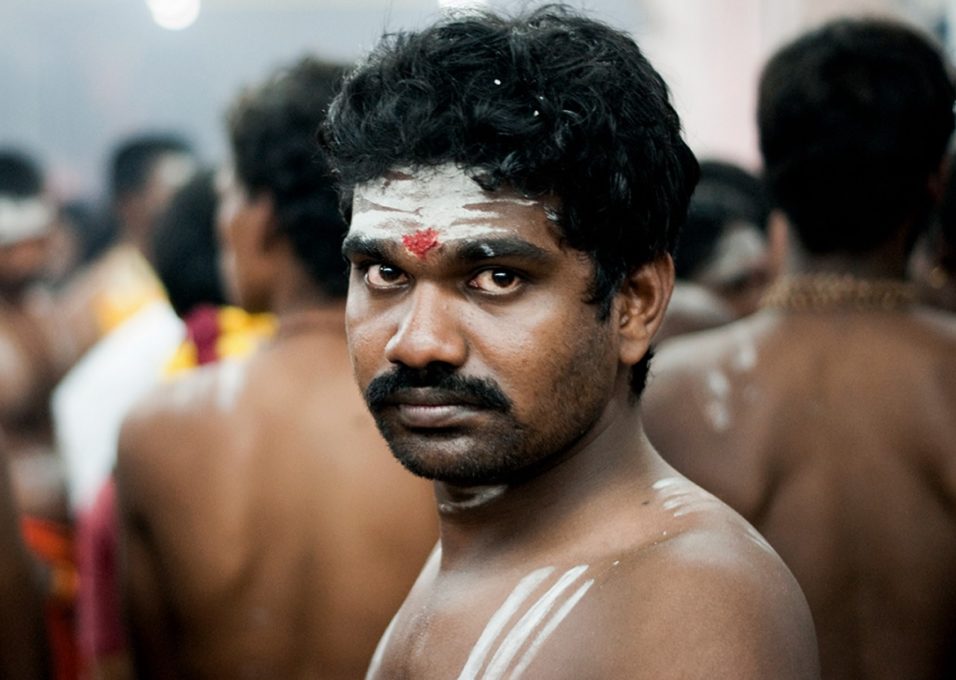
    The procession, with devotees bearing elaborate kavadis, is in itself a spectacular affair and communities other than Hindus or the predominantly Tamil devotees could join in the celebrations as respectful observers. Tourists could also soak in the festivities of such an event.

    “Thaipusam is not an easy event to organise. Logistically, it can be a nightmare and the devotees, even those who carry the kavadi, have to go through the added hardship of not having a public holiday on such an important occasion. Making it a holiday would go a long way in helping the Hindu-Tamil community,” said Mr Kalidass SKS, managing director of a security services company.

    The last time a call to turn Thaipusam into a holiday was in 2015, and the Ministry of Manpower (MOM) explained in nine points why not having it as a holiday would best serve Singapore. Thaipusam used to be a public holiday until 1968.

    It is regarded as a religious holiday, but if you considered it a holiday for Indians, which are largely represented by the Tamil community, there seems to be a fair argument for its reinstatement as a public holiday: The Chinese have two days – the first two days of the Chinese New Year, the Malays have Hari Raya Haji and Hari Raya Puasa, and the Indians currently have only Deepavali as a national holiday. Making Thaipusam a public holiday would mean the three main races of Singapore have two public holidays each.

    According to the MOM then, “the decision on which public holidays to give up was reached only after careful consultation with religious groups”.

    But that was in 1968. And the only religious festival that seems to be experiencing any sort of problem appears to be Thaipusam. Could we not all give up one day of work so that Thaipusam can get the space it needs?

    Residents in the area would probably be more forgiving of noise created as a result of the festivities if it were a holiday. Organisers of the procession would have a bigger pool to choose from for volunteers and helpers at the occasion. There will be less inconvenience to traffic if it weren’t a working day. And everybody in Singapore would begin to think of Thaipusam as a Singaporean religious festival instead of dismissing it as a day when Indians struggle in their fight against evil.

    MOM also explained that when the number of public holidays was set at 11 in 1968, the reason was this: “Faced with the British withdrawal and the need to compete in global markets, the government decided to reduce the total number of public holidays, among other things.”

    So never mind the music for now: The British have long departed. Singapore is suitably plugged into and very competitive in global markets. We could leave it to the economists to determine if one day less of work would plunge our economy into recession, and trust that city-planners and the Singapore Tourism Board would capitalise on the event to promote Singapore as a culturally rich and diverse destination.

    So, as the majority of Singaporeans prepare to celebrate Chinese New Year, which is just around the corner, perhaps it’s time to consider giving our Indian countrymen another public holiday.

    Source: PrideKindnessSg


    Rilek1Corner
  • Harga Pakej Haji Singapura 2018 Diumumkan; S$7,000 (Yang Termurah) Dan S$18,465 (Paling Mahal)

    Harga Pakej Haji Singapura 2018 Diumumkan; S$7,000 (Yang Termurah) Dan S$18,465 (Paling Mahal)

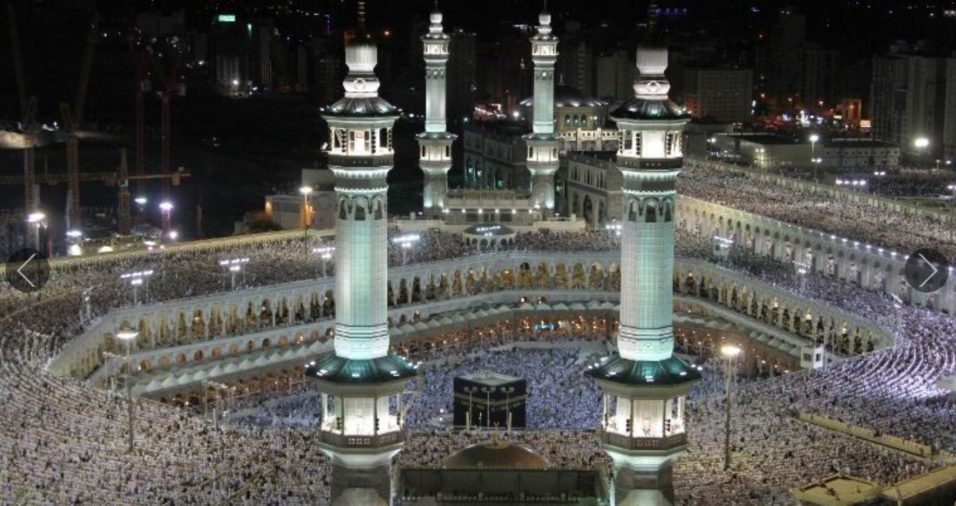
    SINGAPURA: Harga pakej-pakej haji yang diluluskan oleh Majlis Ugama Islam Singapura (MUIS) tahun ini, berharga antara sekitar S$7,000 (yang termurah) dengan S$18,465 (paling mahal).

    Harga-harga tersebut tidak termasuk harga tiket kapal terbang dan cukai semasa.

    Pada tahun 2017, pakej terendah ialah S$6,215, iaitu sekitar S$800 lebih murah berbanding tahun ini. Tetapi, pakej termahal berharga S$18,632 pada tahun itu.

    Tahun ini, 30 jenis pakej haji ditawarkan untuk para jemaah haji Singapura dan harganya sudah termasuk Cukai Nilai Tambah (VAT) sebanyak 5 peratus yang dikenakan ke atas semua barangan dan perkhidmatan di Arab Saudi. Cukai tersebut dikuatkuasakan kerajaan Saudi bermula 1 Januari 2018.

    MUIS menasihatkan para bakal jemaah haji agar menilai dengan hati-hati “berdasarkan kemampuan dan keperluan individu”, sebelum memilih pakej haji masing-masing. Bakal jemaah juga dinasihatkan supaya jangan membuat sebarang pembayaran kepada ejen-ejen haji sehinggalah mereka mendapat surat pengesahan dari MUIS bahawa mereka terpilih untuk mengerjakan haji tahun ini.

    Lima ejen pelancongan Islam dan tujuh konsortium ejen-ejen pelancongan Islam dilantik MUIS untuk menawarkan pakej haji untuk musim 2018 ini.

    Lima ejen pelancongan individu yang dilantik itu terdiri daripada:

    1. Halijah Travels
    2. Jalaluddin Travel & Services
    3. Noor Mohamad Services & Travel
    4. Shahidah Travel &Tours
    5. TM Fouzy Travel & Tours

    23 ejen pelancongan yang lebih kecil pula membentuk konsortium dengan bergabung bagi memberikan khidmat.

    Kesemua tujuh konsortium dibentuk daripada 23 ejen pelancongan berkenaan, seperti berikut:

    1. Afandi Travel & Services (Ketua konsortium)
    Al Firdaus Travels
    Evershine Travel & Services

    2. Azza Travel & Tours (Ketua konsortium)
    AQ Travel & Tours
    Tri-Ways

    3. Hagel Travel & Tours (Ketua konsortium)
    Rafflesia Travel & Tours

    4. Hahnemann Travel & Tours (Ketua konsortium)
    An-Nur Travel

    5. Nurhikmah Travel & Tours (Ketua konsortium)
    Abu Bakar Travel Services
    Babus Salam Holidays

    6. Primula Travel & Tours (Ketua konsortium)
    Al Qaswa Tours & Travel
    Qu’ins Travel & Tours

    7. Sha Travel & Tour (Ketua konsortium)
    Al-Fattah Travel & Tours
    Hamidah Travel & Tours
    Ruby Rashid Travel & Tours
    Smiling Travel
    Thoha Travels & Tours
    Travelconnect.sg

    Pada masa ini MUIS masih dalam proses untuk memaklumkan para jemaah yang termasuk dalam senarai kuota rasmi 800, agar mereka dapat mengorak langkah memilih pakej haji pilihan masing-masing.

    Secara keseluruhannya, daripada 30 pakej haji yang diluluskan, 10 pakej menawarkan perjalanan pendek – iaitu antara 13 dengan 22 hari sahaja.

    Hanya dua pakej menawarkan pakej tempoh masa panjang, iaitu antara 32 hingga 35 hari.

    Kedua-dua pakej paling murah (S$7,000) dan paling mahal (S$18,465) ditawarkan oleh Shahidah Travel & Tours.

    Secara purata menurut MUIS, pakej haji 2018 ini berharga sekitar S$11,500 tanpa mengambil kira tiket pesawat dan cukai semasa.

    Source: beritamediacorp


    Rilek1Corner

  • Are Megachurches A Concern For Singaporean Society?

    Are Megachurches A Concern For Singaporean Society?

    The news that Kong Hee won his recent court case should not come as a shock. While it is still too early to judge our society’s reaction over CHC, suffice to say, CHC supporters are satisfied.

    Kong Hee’s verdict is a concern for Singaporeans. The growth of megachurches (which scholars define as churches which have a following of more than 10,000 people and are not aligned to any particular branch of Christianity) in Singapore has led to the development of networks of power and influence with little checks and balances (not even democratic elections), and which could be potentially exploited in the future for problematic purposes. [1]

    Why have megachurches in Singapore been so successful? As Terence Cheong [2] notes, it is because of the “market logic” that these megachurches ascribe to. This includes charismatic leadership culture and the mass-appeal of a Pastor who, instead of wearing archaic dresses, acts as a friendly, cool fatherly figure. This mixture of American evangelicalism with Singaporean capitalism taps on the emotional and spiritual needs of the emerging middle class. It is these factors which have allowed megachurches in Singapore to prosper.

    In comparison, other religions either comply with Singapore’s ethos of social harmony (e.g. Buddhism and Taoism) or are clearly aware of the OB markers for religion here. This applies to mainstream Christian branches and Islam – with the experience of Operation Spectrum, the Silat arrests, and the recent spat over the Islamic cruise in South East Asia ostensibly being a show of force by the government to prevent religious institutions from propagating alternative ideas that may destabilise Singaporean society.

    Therein lies the genius and the success of the megachurches in Singapore – their beliefs are totally in harmony with the State and are popular with the “emerging” middle class. The provision of KPI(s) to followers, recruiting of additional members, the creation of networks, and the amount of megachurch merchandise are consistent with Singapore’s capitalist system. These attributes are familiar to the emerging middle class, not fancily-dressed pastors swinging around incense, and through this, membership in the megachurches are surging.

    Perhaps then, the government found itself in a dilemma – even if it found Kong Hee’s actions problematic, to persecute him as a Marxist provocateur or whatever gobbledygook would have been disastrous for the government. There is no compelling narrative to shatter his reputation in order to dissuade his followers. The government cannot frame him as a Marxist, terrorist, or fundamentalist because Kong Hee is none of that. He is ostensibly a pastor ordained by God who happens to make a few million dollars – if anything, he is a very successful CEO.

    However, I argue when it comes to these megachurches, its CEO is never just a CEO.

    The megachurch is still a church at the end of the day. Its form of charismatic leadership allows a pastor to differ from a CEO. A pastor commands and claims to be ordained by God himself, unlike the CEO of Uber or Microsoft who is ordained by a Board of Directors. This connection to God gives the pastor a level of conviction and influence, and the ability to command his followers in the name of God. This has the potential to provide the Pastor considerable (and perhaps disproportionate) weight in Singapore’s socio-political-economic agora.

    Therein lies the problem, the size of these networks and power structures in these institutions can potentially allow a Pastor to wield considerable influence in business or politics. The system of developing large numbers of followers could see these churches reach the higher echelons of Singapore’s power structure.

    In mainstream churches and mosques, the pastor, minister, or imam has superiors. In the case of the Catholic Church, there is the Archdiocese and the Pope. For the imams, all doctrines come under the auspices of MUIS.

    What about the megachurches? How do we prevent their teachings becoming radicalised or their followers exploited? If all their teachings go through one man/woman, behind closed doors and beyond the regulatory reach of the government, what prevents this message from potentially being corrupted?

    Furthermore, the megachurch system differs from the ways businesses operate. While businesses may networks or connections – they rarely can directly inspire or mobilise the masses for political purposes, and in Singapore’s case there is also no reason to do so. Sembcorp or Keppel cannot, for example, compel their staff to all vote for a particular political party in an election; but what is stopping a leader of a megachurch from doing so in the name of God?

    However, something needs to be made explicit – I do not think that any of these megachurches will, in the near future, undermine security, stability or even the rights of religious and racial minorities in Singapore. Terrence Cheong has highlighted that many megachurches in Singapore have liberal views and are primarily obedient to the overused bible quote regarding Christ and Caesar. The lack of an ideological antithesis to the Singaporean capitalistic model and the ability to mobilise the masses is a concern for society, but not an immediate one.

    Viewing megachurches as cults would not be productive either. Instead, we should consider whether there needs to be checks and balances in play concerning their institutional structure, and the relationship between them and society.

    We need a frank discussion with members of these churches. How do we prevent these networks from being exploited by a power-hungry individual? Kong Hee and other megachurches have only God above them – what if one day someone attempts to exploit this power – not just for monetary gain, but, to disrupt Singapore’s society?

    Source: consensusg


    Rilek1Corner

  • FFFA Founder Nizar Bigbear: “Beware Of Non-Registered/Regulated Self-Help/Blessing Groups”

    FFFA Founder Nizar Bigbear: “Beware Of Non-Registered/Regulated Self-Help/Blessing Groups”

    “First class manipulator.”

    That was his reaction when ST’s article “$53k raised for baby’s surgery lost to ‘scammer’ on crowdfunding website” was published on 4 Feb.

    Nizar Mohd Shariff or many know him as Bigbear, the founder of FFFA (or Free Food For All) informed R1C that he was also scammed by culprits Ian Ian and Ricky Ng of about $10K (personal loan) due to lack of better judgement.

    Bigbear said that the main culprit Ms Ashley Lee aka Ian Ian operates a group called “Ian Milk Blessing” and also picks her unsuspecting victim from that group itself. “We want to create awareness so that she (Ian Ian) cannot find new victims, and also flush her out of hiding,” he said.

    Her modus operandi? Ms Ashley Lee aka Ian Ian approaches Give.asia to run crowdfunding campaigns for her victims. Afterwards, she will swoop in for the kill. “Yes that’s how they build confidence, they scam both the beneficiary as well as donors,” added Bigbear. Worst, she used Nizar’s prominent name in the volunteer-community to “instill confidence” in others.

    It’s important that we spread the word about these known “culprits”. Its hard nowadays to be wary of such scam through social media right bro? Honestly i would never had guessed someone is daring enough, busuk hati enough too coax victims to crowd fund and then scam that money that was raised.. macam inhumane with no compassion whatsoever.”

    Bigbear responded, “Precisely, new kind of low.”

    To create awareness, he have asked for people to follow the page “Ian Milk Blessing Alert” which has daily updates on the scam cases involving Ian Ian and other accomplices. Photos of them are also available at the page, coz names can also be changed.

    In his closing statement, Bigbear wish to advise the following to the members of the public. “Beware of non registered self help/blessing groups that are not registered or regulated. Unless they have an extensive track record, there is always a risk of abuse.”


    Rilek1Corner


    First class manipulator. For lack of better judgement, i was duped into thinking that she had a heart of gold. Ian Ian and Ricky Ng, come forward and face the issue. Wonder who else has been conned?


    just search “Ian free milk blessing” on your fb search bar and you’ll get the links. Disgusting to think that they’ll prey on the vulnerable like that… how do they even sleep at night!


    After finding out those in need, she approaches them, arrange crowdfunding. Get people to support the cause. Then after the beneficiaries get the funds. She comes in for the Kill. If this is not premeditated, then i dont know what is.

    We need help to CSI on her whereabouts. Ian Ian and Ricky Ng.


    Ricky Ng lives in Taman and Jurong & I think the only person who knows his actual address is Vivian Pan


    Rule #1 – when a person who is seen to be charitable on social media messages u to transfer $ to a ” needy ” person. Please do your due diligence. Why cant they do it themselves?

    Rule #2 – milk powder at 30-50 pct discount, but must buy in cartons, require advance payment. But does the milk ever come? Strange that prey are almost always those who receive funds from crowdfunders.

    Many cheats who prey on the less fortunate. They view them as easy targets. We need to educate ourselves on the potential pitfalls of self help groups. No Regulation means there will always be a chance of abuse. We need to work with the system and that means structure.

    Its time we take evil people off social media who preys on the weak. Anyone with info on Ian Ian and her accomplices, please PM me. Do not be taken in by her offers to help. Its a SCAM !!!


  • Fair To Blame The MUSLIM Community For Subway Singapore’s Going ‘Halal = Not Tasty’?

    Fair To Blame The MUSLIM Community For Subway Singapore’s Going ‘Halal = Not Tasty’?

    Why would Subway Singapore want to turn halal?

    A few possible reasons. In recent years, there has been an increasing awareness of halal cuisine (New York’s famous Halal Guys food trucks for example), while Muslim tourism has seen a paradigm shift, with young Muslims worldwide driving a $300 billion boom. You can see that trend here as well, with the advent of popular halal food and travel blogs.

    So it makes sense to jump on the bandwagon — provide Muslim-friendly services to get in on the big, formerly disregarded chunk of pie that is the Muslim market.

    Or it could also be that Subway is losing customers with its mediocre sandwiches (we’ll get to that later) and wants to freshen things up a little.

    So, why are folks angry?

    ‘Halal = Not tasty’

    The general (and admittedly completely subjective) perception here, is that once a non-halal food establishment turns into an official halal-certified one, the nosh just won’t taste as good as before. South Korean fried chicken joint Nene Chicken and Pastamania suffered that fate, with complaints about how their offerings seemed to have reduced in quality. There may actually be some truth to that, given that halal restaurants have to abide by a strict list of ingredients and suppliers put out by MUIS, and sometimes, the results just aren’t as satisfying as before.

    Of course, there are rare cases like Maki-san and 4Fingers Crispy Chicken — both of which went halal and are still loved by all patrons from all backgrounds. It remains to be seen for Subway, though.

    ‘No more Subway classics’

    The most obvious change once Subway goes halal is that the chain will no longer have longtime favorites such as their BLT and Italian BMT. Perhaps they’ll still include those sandwiches, but with halal ingredients instead. But as all pork-loving eaters would proclaim — fuck turkey bacon.

    ‘Muslims are forcing non-practitioners to conform to their standards’

    To be fair, religion is not to blame here — Muslims are not forcing Subway to get a halal certificate to accommodate them. Though the chain did entertain feedback from interested Muslim customers in 2010, it couldn’t find a way to do so back then.

    There are actually already a couple of local halal options for lovers of subs, including Toasties, Watsub Sandwich Bar, and Yellow Submarine Cheesesteaks. They even have the option of hopping the border to Johor if they really want some Subway, where it’s already halal.

    Subway Singapore clearly has reasons of their own to change up their business operations, but regulars are making the argument that the chain should have some outlets be halal-certified, while others stick to the status quo. But there’s the rub. Under the MUIS’ strict policy — if a franchise wants to officially go halal, all of their branches have to be halal, no exceptions.

    Of course, others have argued that Subway should have gone the way of Fatboys and Astons, both of which launched separate halal iterations of their brand in the form of Fatpapas and Andes, respectively.

    ‘Subway is ignoring loyal customers’

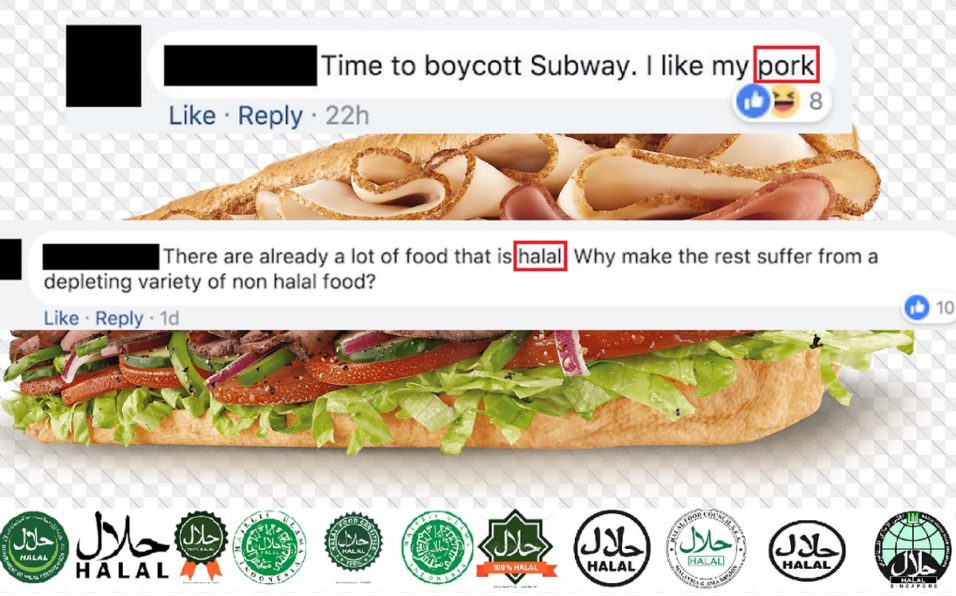
    No doubt about it, Subway will lose a significant portion of customers if it does go halal. There’s a reason why some are calling for a boycott — they feel like they didn’t ask for this at all. Mostly because they didn’t.

    On the flip side, what Subway loses in old regulars, they gain in new ones who didn’t have access to their subs here for the past 22 years. Furthermore, the chain still welcomes non-Muslim folks to patronage their outlets, the difference being that now they can dine in with the company of their Muslim friends, albeit without salami.

    But is Subway actually good?

    Ah, the obvious question. Why are people mad that Subway’s no longer selling non-halal food? Their sandwiches are mediocre at best, and no amount of MUIS-approved ingredients will fix shitty fast food. On the list of top sub sandwich restaurant chains in the Unites States, Subway doesn’t even crack the top 10. Hell, there are probably other sub sandwich makers here that do a far better job with halal subs.

    But the Muslim population here isn’t going to care really — they’ll happily flock to whichever spot hangs up a halal certificate, no matter the food quality, and that’s just sad. Because of the strict adherence to that green MUIS sign, they’ve never tasted cuisine from the other side of the fence and will be happy with whatever’s served. They’re the type who’ll say that Le Steak and its overdone beef cuts are the best steaks ever, without knowing how good actual steaks are in actual steakhouses.

    Then again, if Subway Singapore wants to be inclusive for the Muslim population, who’s to deny them that right? It might even be better than their old iteration. MIGHT.

    Source: coconuts


    Rilek1Corner