Blog

  • UPDATE: Malaysia Will Not Bar The 2 Islamic Preachers From Speaking In Public Unlike Singapore, Says Home Minister

    UPDATE: Malaysia Will Not Bar The 2 Islamic Preachers From Speaking In Public Unlike Singapore, Says Home Minister

    Malaysia’s Home Minister Ahmad Zahid Hamidi said on Tuesday (Oct 31) that the country will not stop two Islamic preachers from speaking in public, following Singapore’s move to bar the two men from entering the Republic.

    Singapore on Monday barred Zimbabwean Ismail Menk and Malaysian Haslin Baharim as their hardline teachings ran counter to Singapore’s multi-cultural and multi-religious values.

    Datuk Seri Zahid, who is also Deputy Prime Minister, said the duo has so far not caused any tensions among Malaysia’s various religions or ethnic groups.

    “So far, these two religious speakers have not suggested anything that goes against our understanding of cultural and religious diversity to the point of causing social, racial and religious tensions in Malaysia,” he was quoted saying by the Bernama news agency.

    “Thus far, Malaysia is satisfied with what they are doing and does not intend to take similar action (as Singapore’s) as they are not wrong in our eyes,” he said.


    Source: http://www.straitstimes.com

  • Malaysia Sees Biggest Mobile Data Breach From 46.2 Million ‘Confirmed’ Leaked Numbers

    Malaysia Sees Biggest Mobile Data Breach From 46.2 Million ‘Confirmed’ Leaked Numbers

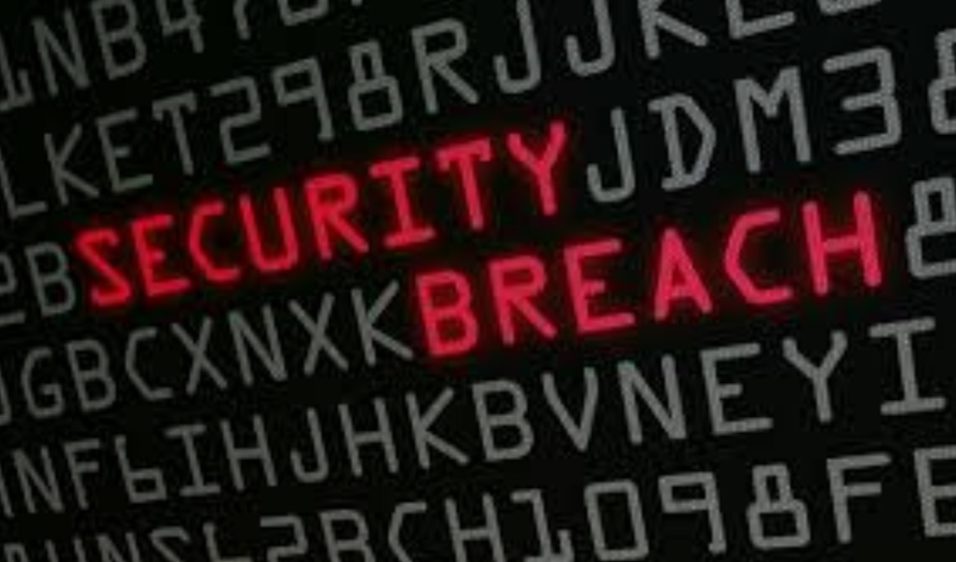
    PETALING JAYA: The personal details of some 46.2 million mobile number subscribers in Malaysia are at stake in what is believed to be one of the largest data breaches ever seen in the country.

    From home addresses and MyKad numbers to SIM card information, the private details of almost the entire population may have fallen into the wrong hands.

    Malaysia’s population is only around 32 million, but many have several mobile numbers. The list is also believed to include inactive numbers and temporary ones bought by visiting foreigners.

    With this leak, Malaysians may be vulnerable to social engineering attacks and in a worst-case scenario, phones may be cloned.

    It is also said that 81,309 records from the Malaysian Medical Council, Malaysian Medical Association (MMA) and Malaysian Dental Association were also leaked.

    The leak of the mobile data was reported earlier this month on online forum and news site lowyat.net, which reported that it was thought to originate from a massive data breach in 2014.

    Yesterday, the site “confirmed” that 46.2 million mobile numbers were leaked online.

    Lowyat.net founder Vijandren Ramadass told The Star that all information it received on the matter was handed over to the Malaysian Communications and Multimedia Commission (MCMC).

    Asked what sort of action would be needed, he said: “Telcos need to admit that this breach actually happened and should inform all their customers what should be done.”

    It is believed that the MCMC and police are collaborating on the investigation.

    Network and security strategist Gavin Chow said the most common social engineering attack examples were phone and messaging scams.

    “Scammers pretend to be someone calling or texting from the telco since they can prove they have the target’s personal details,” said Chow, who is with cybersecurity and malware protection company Fortinet.

    He added that the scammers would then try to trick the victim in various ways.

    These include transferring funds into their accounts and installing “telco applications” containing malware or spyware, which will be used to exploit the target in future.

    “The devices would likely not be hacked directly, but anyone with the data dump information and a little creativity may convince unsuspecting victims to install malware on their devices.

    “Users need to be alert when receiving calls and messages from strangers. Do not get tricked into sharing more personal details, transferring funds or installing apps,” he said.

    Technology strategist Dinesh Nair said there was not much that consumers could do, but they should change their SIM card, for starters.

    “Your name, address, phone number, the IMSI (international mobile subscriber identity) and the IMEI (international Mobile Equipment Identity), which are tied to your device are all out there.

    “I’m sure my data is there as well. People with really good technical skills will be able to clone someone’s phone and that’s the worst-case scenario,” he said.

    Dinesh added that while no one knew where the breach occurred, the fact that the details were out there pointed to a leak of some sort.

    “How it happened, we can’t tell but with so much released from different telcos at the same time, it must come from a single source,” he added.

    Bar Council cyber law and information technology committee co-chairman Foong Cheng Leong said assuming that the leak was after the enforcement of the Personal Data Protection Act 2010, there might have been a breach of the Act’s Security Principle by the data users.

    “The Security Principle requires data users to process personal data securely, but there is not much customers can do other than file a complaint with the Personal Data Protection Commissioner,” he said.

    Digi said in a statement that it prioritised the privacy of its customer data.

    “The authorities are looking into the matter and we’ll continue to support them,” the statement read.

    Celcom Axiata Bhd said it was “collaborating closely with the authorities to assist in the investigation”, a sentiment echoed by Maxis Bhd, which also said it “fully supports the investigation”.

    Representatives from U Mobile declined to speak about the leak, while representatives of TuneTalk could not be contacted for comments at press time.

    MMA president Dr Ravindran R. Naidu said a police report was lodged more than a week ago when news of the leak surfaced.

    “Of course, no system is unhackable. Even the US Department of Defence has been hacked.

    “However, we have been in the process of upgrading our IT system for the last year or so and the new servers will be more secure.

    “We will also be upgrading our operational security measures and introducing a new SOP for our staff to minimise the risk of a repeat of this episode,” he said.


    Source: https://www.thestar.com.my

  • Bahaya Simpan Ubat Demam Lama Sangat Dalam Peti Ais

    Bahaya Simpan Ubat Demam Lama Sangat Dalam Peti Ais

    Saya perasan kalau saya buka peti ais rumah siapa-siapa pun mesti banyak ubat demam anak-anak.

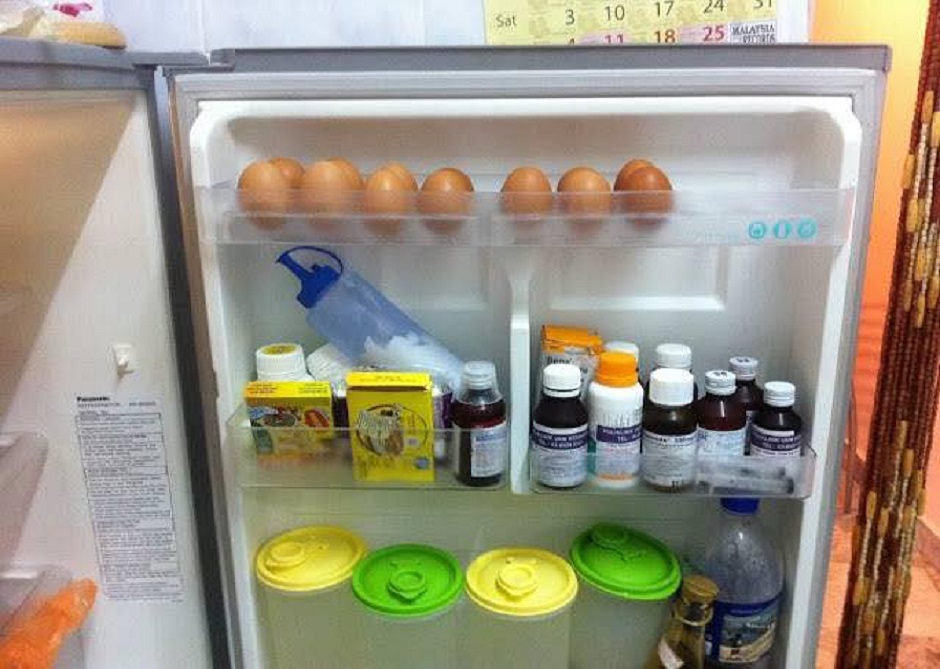
    Biasanya mak ayah ni suka simpan ubat demam Panadol, Asmol, Promethazine,dan Kidz PCM dalam peti ais. Bukan seminggu dua tapi kadang kadang tu sampai berbulan-bulan pun ada.

    Siapa tahu kenapa ya?

    Tahu tak bahaya kalau kita simpan ubat demam tu lama sangat? Tahu tak botol ubat tu asalnya diisi dengan udara bersih ataupun Nitrogen di kilang sana. Udara dalam tu memang bebas kuman tapi sekali kita dah buka botol ubat demam tu, udara bersih tu akan keluar dan udara luar yang mengandungi fungi, bakteria dan wap air ni akan masuk.

    Lagi satu, bila kita simpan ubat dalam peti ais proses kondensasi akan berlaku dan wap air akan terbentuk dalam botol ubat tu. Wap air tu takde bahan pengawet sepertimana ubat yang memang ada bahan pengawet jadi bakteria mudah membiak kat dalam tu.

    Berapa lama je boleh simpan?

    Sebenarnya tak perlu simpan pun. Bila anak demam lagi, ambil je ubat yang baru. Tu lagi selamat tapi kalau nak simpan juga jangan lebih 2 bulan ye. Lebih bahaya lagi kalau kita simpan pastu kita lupa dah berapa lama ubat tu kita simpan. Bila anak demam je terus bagi ubat lama tadi. Aduh! Bahaya!

    p/s : Kalau suhu masih bawah 37.5 c tu tak perlu pun ubat demam. Banyakkan minum air ye. Kalau selsema sikit-sikit tu banyakkan makan buah buahan je. Belajar berjimat cermat sikit bab ubat-ubatan.

    Tolong sebarkan dan ajar ilmu ni pada ibubapa kat luar sana juga ye. Saya tahu ramai ibubapa yang tak tahu tentang benda ni.


    Source: Klinik Roshadah

  • Adab-Adab Menelefon Dan Menerima Panggilan Telefon

    Adab-Adab Menelefon Dan Menerima Panggilan Telefon

    Memang perangai manusia berbeza-beza tetapi kadang-kalanya ada juga perangai yang agak sama di antara kita. Ini bergantung kepada adat, adab, nilai dan budaya di mana masing2 dibesarkan (home culture and values), personaliti dan pengalaman kehidupan. Satu perangai negatif yang sudah terlalu banyak saya lihat adalah mengenai adab menelefon orang lain dan terima panggilan daripada orang lain.

    Orang yang menelefon:
    1. Apabila menelefon seseorang, JANGAN bertanya “Siapa tu?” sebab anda yang menelefon. Orang yang angkat telefon tu yang patut bertanya “Siapa tu?”. Anda harus bertanyakan nama orang yang anda ingin hubungi (bangang betul lah)

    2. Apabila menelefon seseorang, JANGAN mulakan perbualan dengan “Kenal suara I tak? Kenal I siapa tak?”…kalau anda call dengan tidak menggunakan khidmat video phone supaya senang dikenali, JANGAN terlalu perasan suara anda itu unik…kalau anda nak buat surprise call, BE PREPARED to get surprised by some swear words from the other person on the line (baghal betul lah).

    3. Apabila memicit nombor telefon yang sudah lama anda tidak call, ada kemungkinan nombor yang sama telah dikitar semula kepada orang lain. Jadi, nasihat #1 dan #2 tadi juga tidak relevan langsung untuk digunakan.

    4. Apabila tersalah nombor, segera minta maaf (orang tu tak tahu awak siapa. Suara je. Jadi, kenapa nak malu minta maaf? tak logik kan kan? Bodoh langit-langit lah). Minta Maaf untuk menenangkan hati si penerima panggilan sebelum anda dimaki hamun. Jangan cepat2 letak telefon tanpa meminta maaf. Pengecut namanya tu. Anda tak rugi apa2 apabila minta maaf (badigol so’od betul ah!)

    Untuk si Penerima panggilan:
    1. Keep calm and insist on getting the name of the caller before you give yours.
    They may be prowlers.
    2. Jangan marah2 kerana kadang-kala si pemanggil benar2 buat silap (honest mistake)
    3. Apabila si pemanggil minta maaf, maafkanlah…jangan pula awak tunjuk samseng nak marah2 dia balik.


    Source: R.J.

  • Hentikan Tabiat Gigit Kuku Sebab 5 Bakteria Berbahaya Ini!

    Hentikan Tabiat Gigit Kuku Sebab 5 Bakteria Berbahaya Ini!

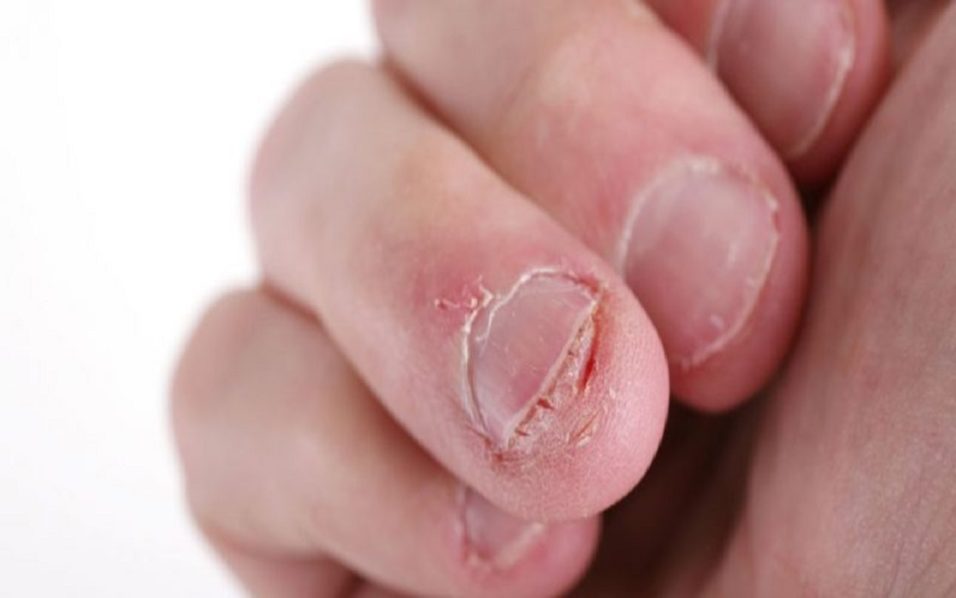
    Tahukah anda terdapat 5 bakteria berbahaya yang boleh memanipulasikan kesihatan anda melalui sikap gigit kuku. Ketahui kesan pembawakan bakteria tersebut dalam badan anda…

    #1 Staphylococcus Aureus

    Bakteria staphylococcus aureus yang terdapat dalam kesan luka jari yang digigit boleh menyebabkan keracunan makanan, jari bengkak, berbisul dan jangkitan kuman pada saluran pernafasan. Ia boleh berjangkit melalui sentuhan dari luka kulit yang tidak diubati.

    #2 E. coli

    Pernah dengan wabak E. coli? Bakteria E. coli antara bakteria berbahaya pembawa maut. Mengigit kuku yang kotor dan tangan yang tidak dicuci tanpa sedar anda dijangkiti E. coli. Cegah! Kerana ia merisikokan kesihatan anda.

    #3 Herpetic Whitlow

    Keadaan tisu dan kulit jari boleh rosak dan bahagian leher terasa sakit dan lenguh gara-gara dari jangkitan bakteria herpetic whitlow. Selain itu, jangan tanya kenapa anda kerap jatuh sakit atau demam.

    #4 Candida Parapsilosis

    Bakteria yang boleh ditemui dibawah kuku iaitu candida parapsilosis boleh menyebabkan penyakit kulit dan jangkitan pada seluruh badan! Lebih menakutkan, ia boleh merebak sehingga melumpuhkan otak, jantung, mata dan organ penting.

    #5 Salmonella

    Bakteria Salmonella yang sering dikaitkan dengan keracunan makanan, cirit-birit dan demam boleh dijangkiti dari sikap tidak membasuh tangan. Bayangkan selepas mengusap haiwan peliharaan atau ke tandas anda tidak mencuci tangan kemudian kembali dengan tabiat menggigit kuku. Simptom penyakit yang disebut tadi boleh berlaku 12 hingga 72 jam selepas terkena jangkitan.