Tag: MUIS

  • A&W’s Comeback To Singapore Plagued By ‘Halal Not Halal’ Issue.. Seriously?

    A&W’s Comeback To Singapore Plagued By ‘Halal Not Halal’ Issue.. Seriously?

    Yes, again the ‘Halal Not Halal’ issue is baccccccccck and the TRENDING restaurant that everyone is talking about now is A&W Singapore.

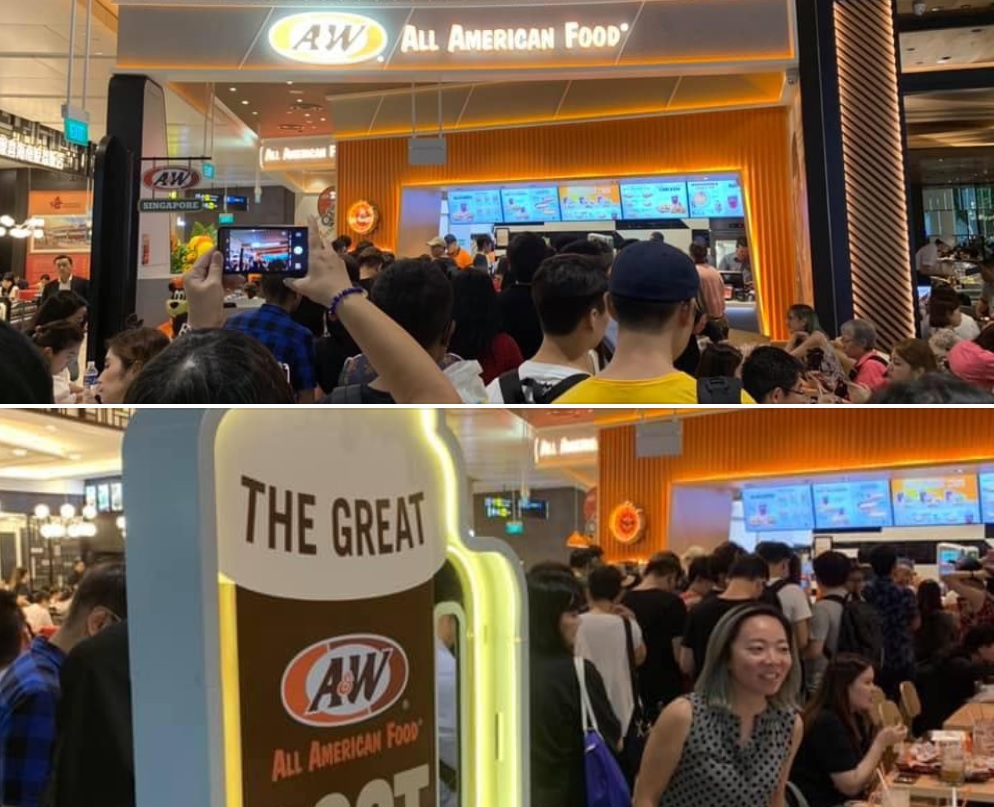
    “We gave up. The queue was 1 hour.”

    Said one of the kiasu patrons of A&W on its first day reopening in Singapore after they have been gone for a long time. Other than A&W, many flocked over to Jewel Changi Airport over the weekend to see the news attractions especially the waterfall.

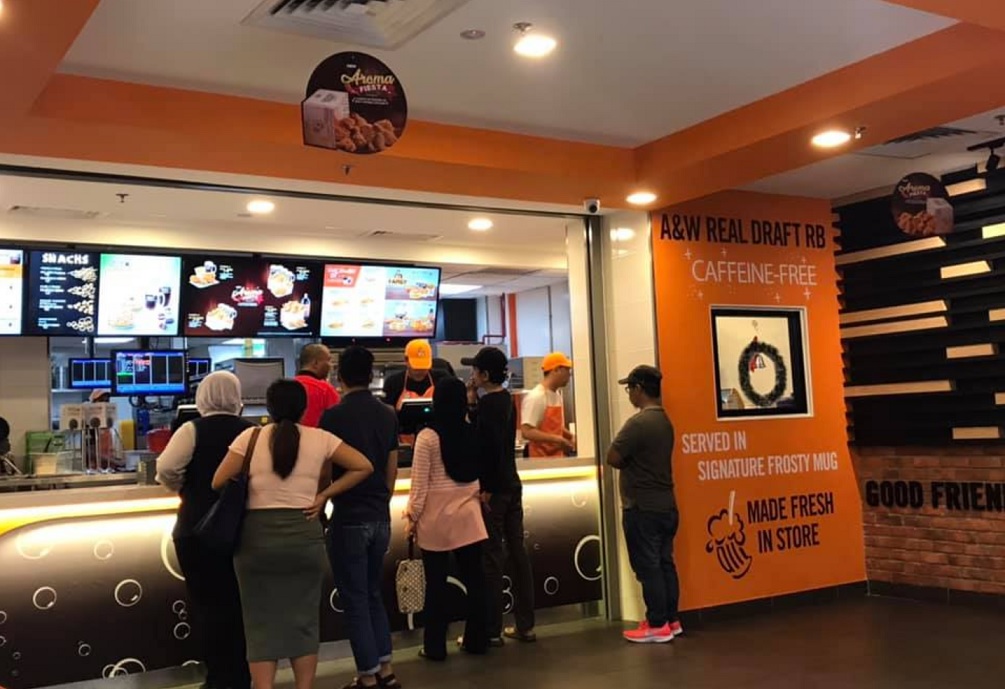
    But what is the hype eh about this A&W, because in JB the outlets are lengang (slow business). (:

    Photo of an outlet in JB

    So, apart from the tak boleh rilek crowd that die-die confirm plus chop cannot eat on other days (other than the opening day) or wait it out a few days/weeks, the issue of HALAL CERTIFICATION surfaced. Not surprising la.. Singaporeans.

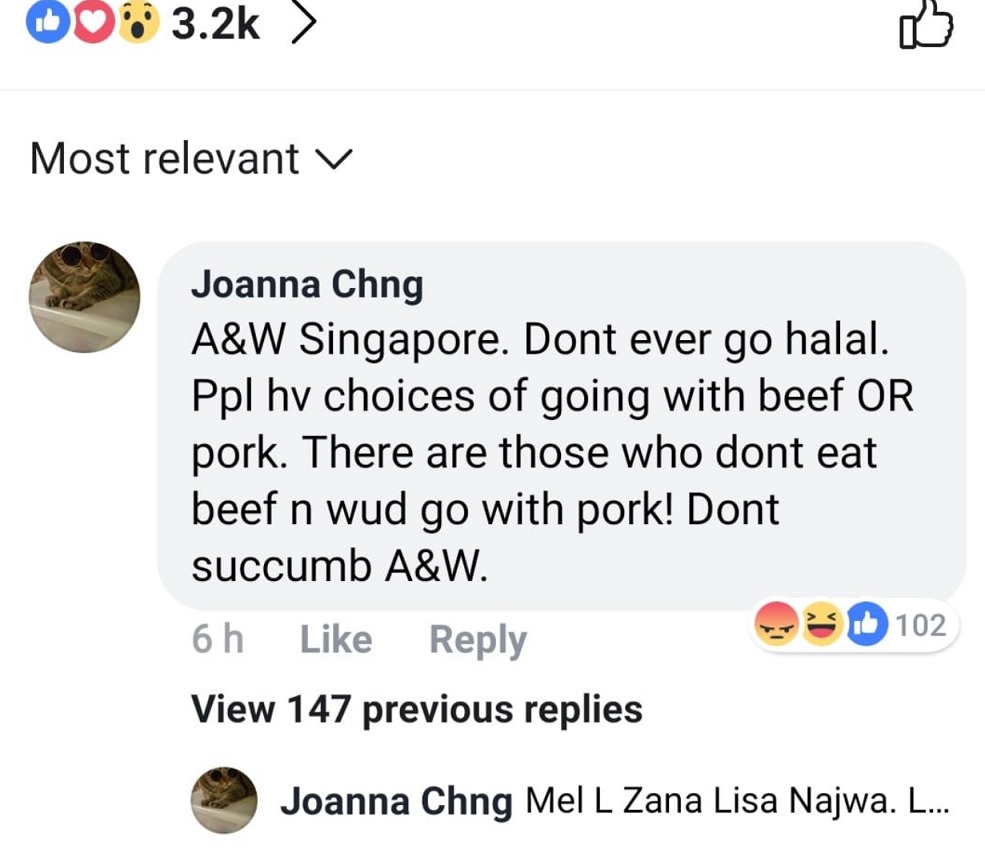
    Screenshot taken from Facebook

    This ah gerl say don’t make A&W Singapore become halal certified. Her argument is that people ONLY have a choice to eat beef or pork, so if someone don’t eat beef they need to eat the pork instead. #bodohpehstatement #racistmuch

    “Dekni tk makan Babi,dia makan Taik Babi.”

    Oops. Not we say one siol. Someone who replied to her said that. Padan muka you.

    Anyway, A&W Singapore saved the day when they instantaneously responded the following to Singaporeans’ squabble about ‘Halal Not Halal’ issue.

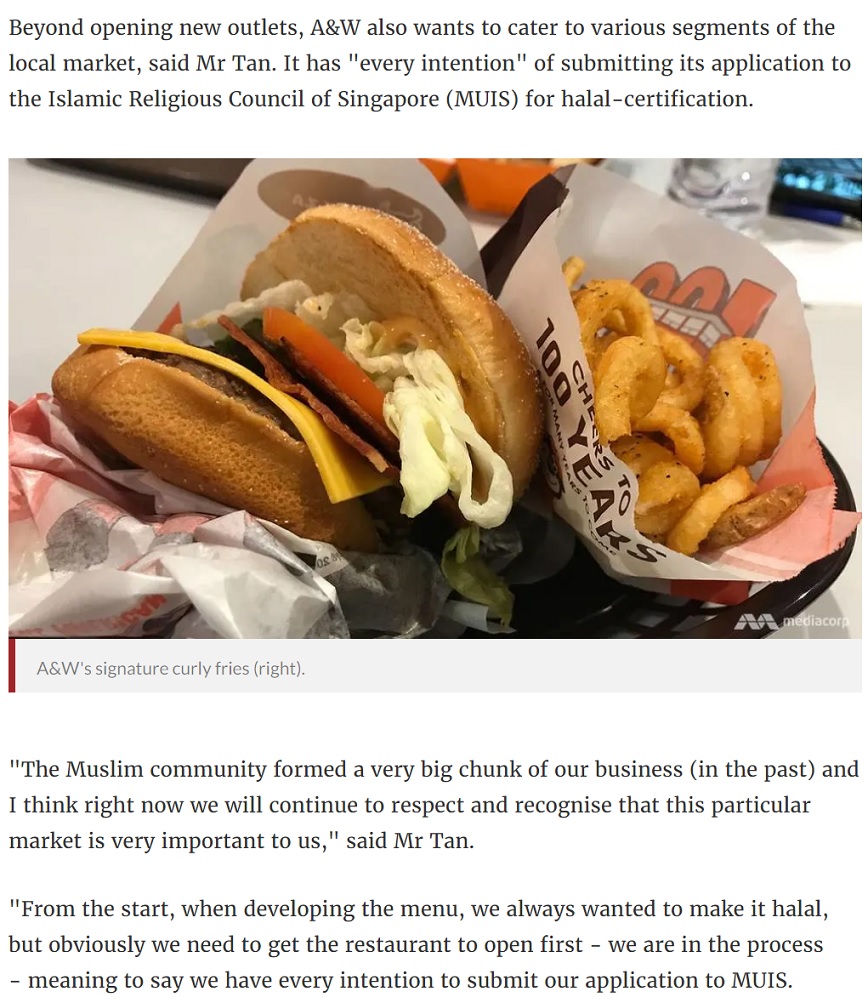
    Beyond opening new outlets, A&W also wants to cater to various segments of the local market, said Mr Tan. It has “every intention” of submitting its application to the Islamic Religious Council of Singapore (MUIS) for halal-certification.

    “The Muslim community formed a very big chunk of our business (in the past) and I think right now we will continue to respect and recognise that this particular market is very important to us,” said Mr Tan.

    “From the start, when developing the menu, we always wanted to make it halal, but obviously we need to get the restaurant to open first – we are in the process – meaning to say we have every intention to submit our application to MUIS.

    “We’re hoping that the crowd will ease out a bit and then we will get them to come in (and do an audit),” said Mr Tan.

    “Right now, we would like consumers to know that it’s a Muslim friendly menu, no pork no lard, and as soon as we can find the time to submit our application to MUIS, we will do so immediately.”

    Photo from CNA

    Wohoo! Definitely great news for us Muslims! Thanks to A&W.

    A&W has been halal in the past and will always continue to be halal to cater for the Muslim community in Singapore.

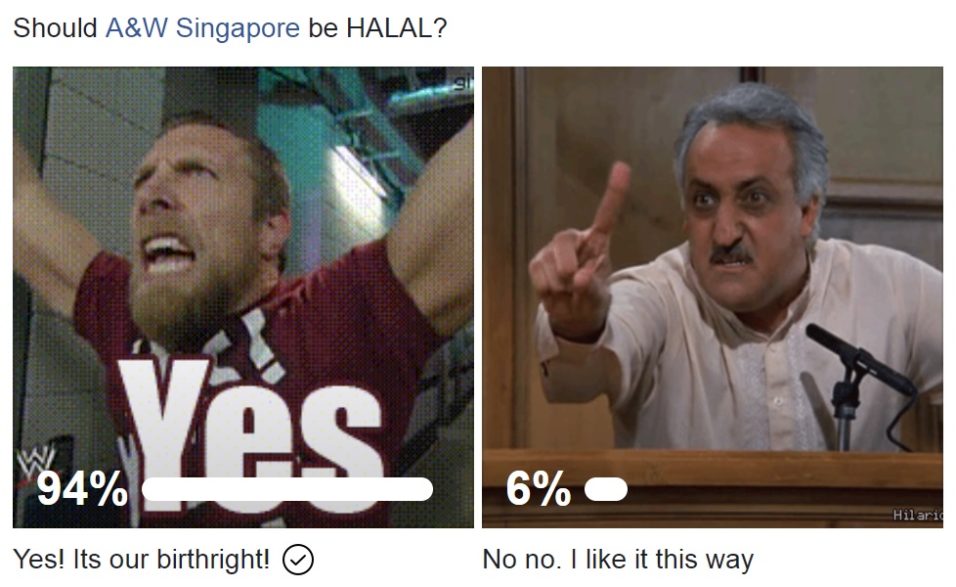
    Btw, 94% responded YES to a poll asking if A&W should be halal.

    Duh of course yes. It’s our birthright!


    Rilek1Corner


  • Impermissible to drink “Zero Alcoholic” Beer, Says Office Of the Mufti SG

    Impermissible to drink “Zero Alcoholic” Beer, Says Office Of the Mufti SG

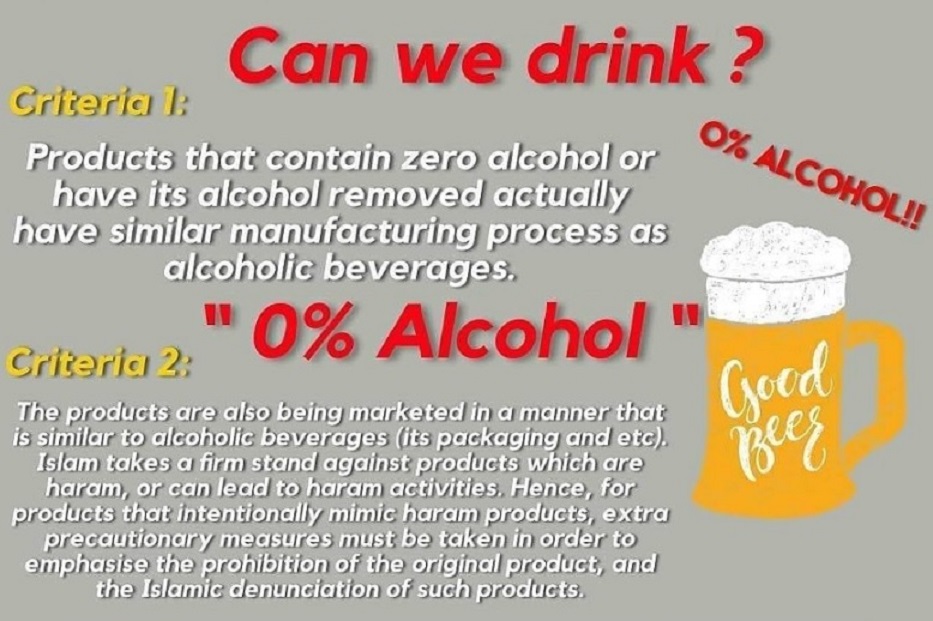
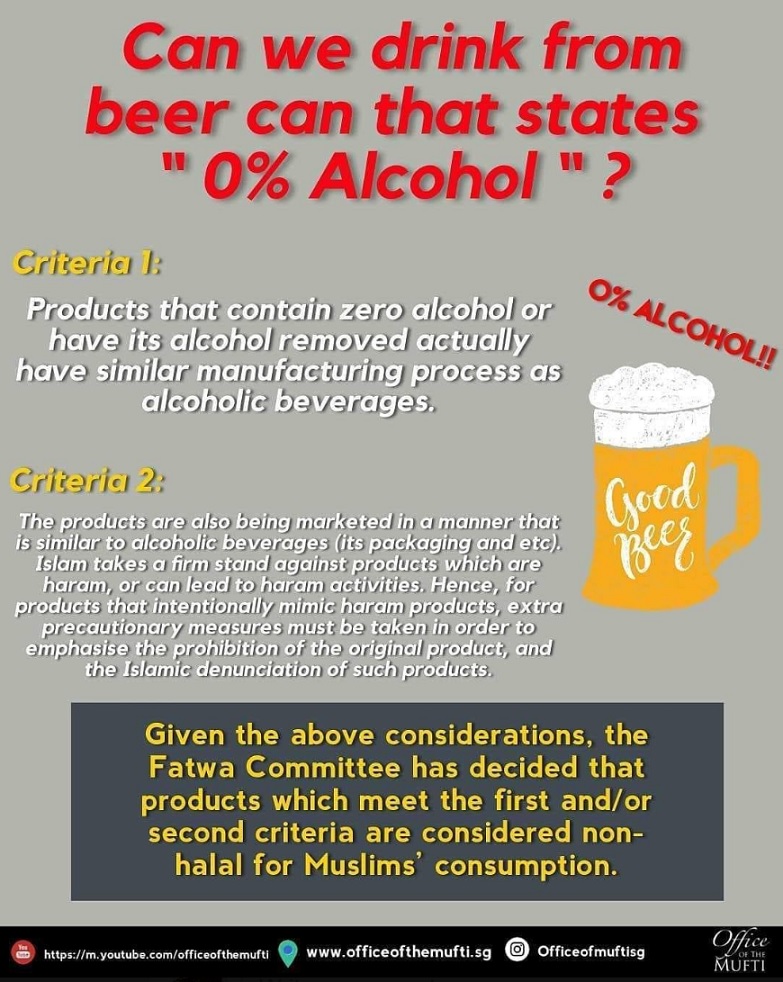
    Can Muslims drink “0% alcohol” beer? The answer is NO. It is not permissible if it meets either or both the criteria below.

    1. The process of making the drink is similar to the process done to make alcoholic drinks.

    (Explanation: Products that contain zero alcohol or have its alcohol removed actually have similar manufacturing process as alcoholic beverages.)

    2. The product is marketed in a similar way to how alcoholic drinks are marketed.

    (Explanation: The products are also being marketed in a manner that is similar to alcoholic beverages – its packaging and etc. Islam takes a firm stand against products which are haram, or can lead to haram activities. Hence, for products that intentionally mimic haram products, extra precautionary measures must be taken in order to emphasize the prohibition of the original product, and the Islamic denunciation of such products.)


    Ruling by Office of the Mufti, Islamic Religious Council of Singapore (MUIS)

    #beer #butterbeer #0percentalcoholbeer


    Rilek1Corner

  • Halal Scanner; Singapore-made app to know if a product is halal or not just by scanning

    Halal Scanner; Singapore-made app to know if a product is halal or not just by scanning

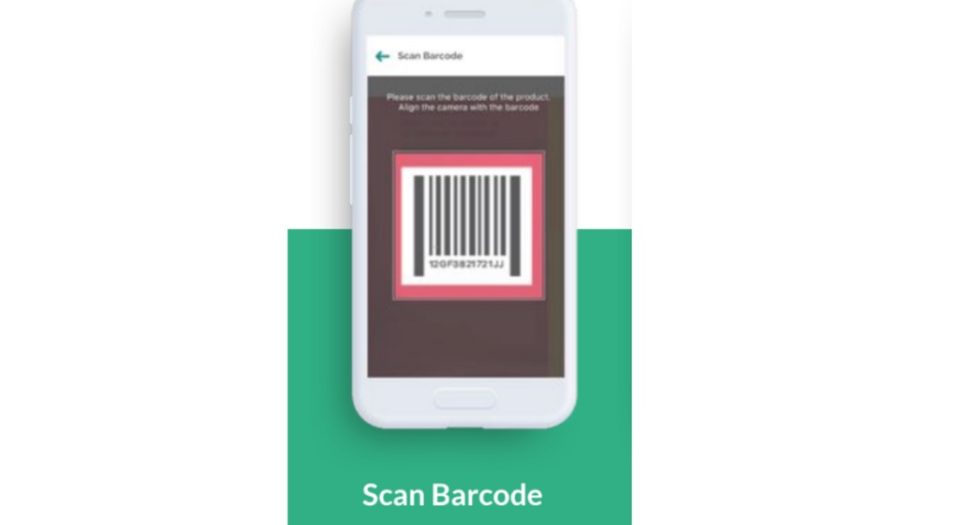
    Azman Ivan Tan, CEO, and Salehin Amat Kamsin, chief operating officer of WhatsHalal say their app can tell if a food product is halal or not, just by scanning its barcode, ingredients list, or product image.

    The new tool, which is set to launch at the end of April, can supposedly tell users if a food product is likely to be halal or not – just by scanning its barcode or ingredients list.

    The Halal Scanner will be integrated into the existing WhatsHalal app, which was designed as a halal food guide for consumers, businesses and enterprises.

    The WhatsHalal app was launched in February last year, around four months after entreprenuers Azman Ivan Tan and Salehin Amat Kamsin first co-founded the tech company.

    Although the app offers four other key services to consumers – a halal restaurant listing, food delivery, takeaway food orders and restaurant reservations – only the listing service is available now due to a revamp of the app.

    A beta version of the upcoming Halal Scanner is expected to be launched in all of WhatsHalal’s available countries – Singapore, Malaysia, Indonesia and Australia.

    In an interview with Business Insider, Azman, who is now CEO, and Salehin, who serves as chief operating officer, said that they are expecting at least 50,000 products to be scanned in the first few months after the launch.

    During this phase, the WhatsHalal team will identify scanned ingredients which require halal verification. According to Salehin, about 150,000 potential ingredients are expected to surface for validation.

    How it works

    The scanner has three identification methods – product image, barcode and ingredients list – and all of them work based on community-driven data collected over time.

    Users first take a photo of a product in the app. If WhatsHalal’s back-end team is able to verify that the product’s packaging contains the Islamic Religious Council of Singapore (Muis) logo, it will automatically accept that the product is halal.

    The data is then stored in WhatsHalal’s system and the next time a user scans a barcode of the same product, the app will immediately indicate that it is halal.

    In cases where a product does not bear a Muis logo, its ingredients list come into play. After a user scans the ingredients list on the app, WhatsHalal automatically conducts an optical character recognition (OCR) on it.

    “If it doesn’t have a Muis logo, what we do is we let the system learn over time. By default, the system knows – if there’s salt and sugar, the system will flash ‘halal’ and ‘halal’. Only when they see pork, it will immediately say ‘not halal’. Very clear cut,” Azman, who has 20 years of experience in technology and business management, said.

    But for ingredients that are in the grey area, more information will be shown so the consumer can make a more informed choice. One such ingredient is gelatin, which can be from different sources such as fish or beef.

    “You can click on that, and we’ll show you a little bit of information, such as gelatin from (a certain country) is likely halal, and (if it’s) from China then it’s likely non-halal,” the 42-year-old said.

    If a significant number of users were to raise their concerns on a particular product, WhatsHalal will engage certified, external halal consultants to conduct thorough checks on whether its ingredients are likely halal or not.

    “So if this (a product) comes from XYZ company, and, say, this company has been certified by a proper certifying body, we’ll take it as yes – our halal consultants don’t need to check all the way. But if it’s not certified they’ll check with manufacturers,” Azman said.

    Salehin, 32, said that while the aim of the Halal Scanner is to verify as many products as possible, there is also a need to be practical by recognising operation constraints.

    “We must put things into perspective – there’s a small number of Muslims in Singapore, but millions in Indonesia and Malaysia,” he said. It is hence not practical to expect the WhatsHalal team to be able to check every single product scan that comes in.

    And that’s where the WhatsHalal database will shine.

    “The more people scan, the more we build up product database,” he said.

    The company is even looking at incorporating a translation feature within the scanner, so that users can scan products bought from other countries and still collect the information they need to make a decision.

    Helping Muslim customers make better decisions faster

    With the Halal Scanner, Azman and Salehin hope to help customers make decisions more quickly by speeding up the halal food identification process.

    “When we go to a supermarket, the first thing we do is look at the ingredients list. As a Muslim, we’re sure that some ingredients are halal, but not so sure of others. So we’ll check online, and that’s a lengthy process sometimes, given that each product has, say, 10 ingredients,” Azman said.

    “So what happens with our system is we actually just speed up the process and make it easy. All the information is at your fingertips,” he added.

    But Azman emphasised that the Halal Scanner is not created to dictate a user’s decision. Rather, it serves as a guide for informed decision-making.

    “We will not be able to tell you that something is 100 per cent halal… we leave it to the end user to make the decision. We are only helping you to map,” he said.


    Source: BusinessTimes
  • Ismail Fitrey: Singapore Striking Sensation Who Disappeared From Football And Moved To MUIS

    Ismail Fitrey: Singapore Striking Sensation Who Disappeared From Football And Moved To MUIS

    Touted as one of Singapore’s most talented strikers at the time, Ismail Fitrey showed plenty of promise at Sembawang Rangers and Tampines Rovers. But at just 26, the man known among some fans as ‘the fox in the box’ disappeared from football.

    A search on the worldwide web comes up with no pictures of the man in his playing days.

    Yet, Ismail Fitrey holds a special place in the annals of Singapore football – for being one of few local-born players in S.League history who netted more than 20 goals in a single campaign.

    But unlike the likes of Indra Sahdan (26 in 2003) and Noh Alam Shah (24 in 2000 and 2003), Ismail, who scored 23 for Tampines Rovers in 2004, is a figure who has largely been forgotten.

    Just as he was elusive on the pitch, Ismail, now 40, proves likewise off it – it takes numerous phone calls to his former teammates – most of whom have lost touch with him, before an interview is finally arranged between him and FFT.

    In a sea of people, one last obstacle remained and that was to identify the man himself.

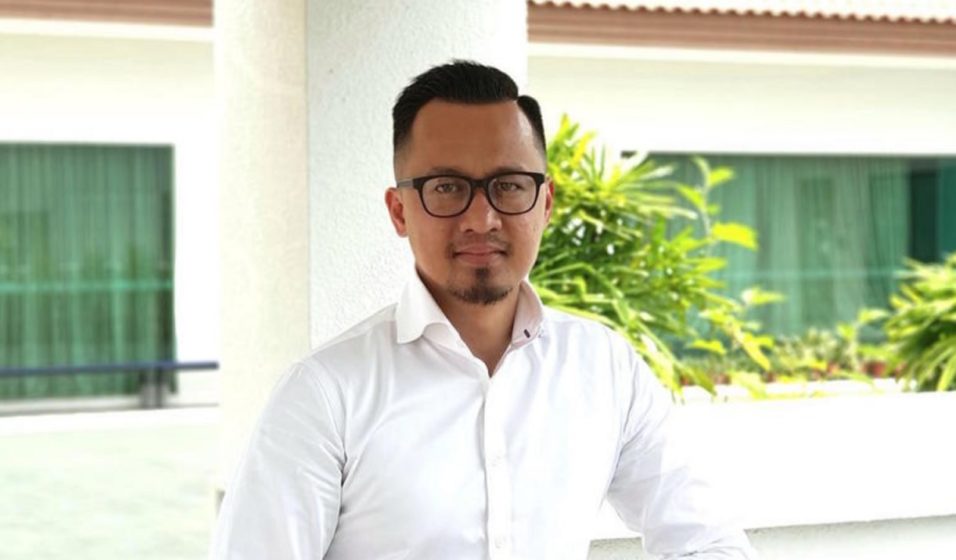
    To simplify what seemed a tough task, a bespectacled man in officewear approaches and confidently introduces himself with a firm handshake.

    Ismail may have been a footballer but there is simply no mention of his former life in the opening five minutes of the conversation.

    Work and family seems to be what he is content with discussing. In fact, the first mention of the Beautiful Game arrives only as he fondly remembers an anecdote involving his two sons, aged eight and eleven.

    “I have my trophies and medals won as a player in a shelf in the study room of my house and there was once where one of my sons asked me what those medals were for. I just told them about it and what I won it for but that’s it, I just tell them only if they ask me,” said Ismail.

    “I’m not one to brag about it (football career) and in fact, I don’t think my current colleagues know anything about what I was doing before I stared working with them. I never introduced myself as a former S.League player.”

    A former Singapore Cup and S.League winner in 2004 with Tampines, Ismail is currently a lead auditor for Halal Certification at Majlis Ugama Islam Singapura (MUIS), also known as the Islamic Religious Council of Singapore.

    He has been working there since 2006, two years after his last match in the S.League.

    Ismail spent his years in National Service turning out for the SAFFC (now known as Warriors FC) prime league team, under the guidance of a certain Richard Bok.

    A move to Sembawang Rangers followed in 2001 for the then 23-year-old. While he only spent one season with the club, it was while with the Stallions that Ismail received his “most important footballing education”.

    “We had really strong import players from Thailand – the likes of Niweat Siriwong and Tawan Sripan who were really humble and were always looking to share their knowledge of the game,” recalled Ismail.

    “Tawan was a real inspiration. He was a perfectionist yet humble. He would offer to come in early and cross for me to practice on my finishing so those things really stood out for me and it really is not a surprise for me that he has carved out a good career for himself as a coach.”


    Source: fourfourtwo

  • Harga Pakej Haji Singapura 2018 Diumumkan; S$7,000 (Yang Termurah) Dan S$18,465 (Paling Mahal)

    Harga Pakej Haji Singapura 2018 Diumumkan; S$7,000 (Yang Termurah) Dan S$18,465 (Paling Mahal)

    SINGAPURA: Harga pakej-pakej haji yang diluluskan oleh Majlis Ugama Islam Singapura (MUIS) tahun ini, berharga antara sekitar S$7,000 (yang termurah) dengan S$18,465 (paling mahal).

    Harga-harga tersebut tidak termasuk harga tiket kapal terbang dan cukai semasa.

    Pada tahun 2017, pakej terendah ialah S$6,215, iaitu sekitar S$800 lebih murah berbanding tahun ini. Tetapi, pakej termahal berharga S$18,632 pada tahun itu.

    Tahun ini, 30 jenis pakej haji ditawarkan untuk para jemaah haji Singapura dan harganya sudah termasuk Cukai Nilai Tambah (VAT) sebanyak 5 peratus yang dikenakan ke atas semua barangan dan perkhidmatan di Arab Saudi. Cukai tersebut dikuatkuasakan kerajaan Saudi bermula 1 Januari 2018.

    MUIS menasihatkan para bakal jemaah haji agar menilai dengan hati-hati “berdasarkan kemampuan dan keperluan individu”, sebelum memilih pakej haji masing-masing. Bakal jemaah juga dinasihatkan supaya jangan membuat sebarang pembayaran kepada ejen-ejen haji sehinggalah mereka mendapat surat pengesahan dari MUIS bahawa mereka terpilih untuk mengerjakan haji tahun ini.

    Lima ejen pelancongan Islam dan tujuh konsortium ejen-ejen pelancongan Islam dilantik MUIS untuk menawarkan pakej haji untuk musim 2018 ini.

    Lima ejen pelancongan individu yang dilantik itu terdiri daripada:

    1. Halijah Travels
    2. Jalaluddin Travel & Services
    3. Noor Mohamad Services & Travel
    4. Shahidah Travel &Tours
    5. TM Fouzy Travel & Tours

    23 ejen pelancongan yang lebih kecil pula membentuk konsortium dengan bergabung bagi memberikan khidmat.

    Kesemua tujuh konsortium dibentuk daripada 23 ejen pelancongan berkenaan, seperti berikut:

    1. Afandi Travel & Services (Ketua konsortium)
    Al Firdaus Travels
    Evershine Travel & Services

    2. Azza Travel & Tours (Ketua konsortium)
    AQ Travel & Tours
    Tri-Ways

    3. Hagel Travel & Tours (Ketua konsortium)
    Rafflesia Travel & Tours

    4. Hahnemann Travel & Tours (Ketua konsortium)
    An-Nur Travel

    5. Nurhikmah Travel & Tours (Ketua konsortium)
    Abu Bakar Travel Services
    Babus Salam Holidays

    6. Primula Travel & Tours (Ketua konsortium)
    Al Qaswa Tours & Travel
    Qu’ins Travel & Tours

    7. Sha Travel & Tour (Ketua konsortium)
    Al-Fattah Travel & Tours
    Hamidah Travel & Tours
    Ruby Rashid Travel & Tours
    Smiling Travel
    Thoha Travels & Tours
    Travelconnect.sg

    Pada masa ini MUIS masih dalam proses untuk memaklumkan para jemaah yang termasuk dalam senarai kuota rasmi 800, agar mereka dapat mengorak langkah memilih pakej haji pilihan masing-masing.

    Secara keseluruhannya, daripada 30 pakej haji yang diluluskan, 10 pakej menawarkan perjalanan pendek – iaitu antara 13 dengan 22 hari sahaja.

    Hanya dua pakej menawarkan pakej tempoh masa panjang, iaitu antara 32 hingga 35 hari.

    Kedua-dua pakej paling murah (S$7,000) dan paling mahal (S$18,465) ditawarkan oleh Shahidah Travel & Tours.

    Secara purata menurut MUIS, pakej haji 2018 ini berharga sekitar S$11,500 tanpa mengambil kira tiket pesawat dan cukai semasa.

    Source: beritamediacorp


    Rilek1Corner