Category: Politik

  • Michael D Barr: Singapore’s Government Embroiled In Domestic Crisis Management

    Michael D Barr: Singapore’s Government Embroiled In Domestic Crisis Management

    Author: Michael D Barr, Flinders University

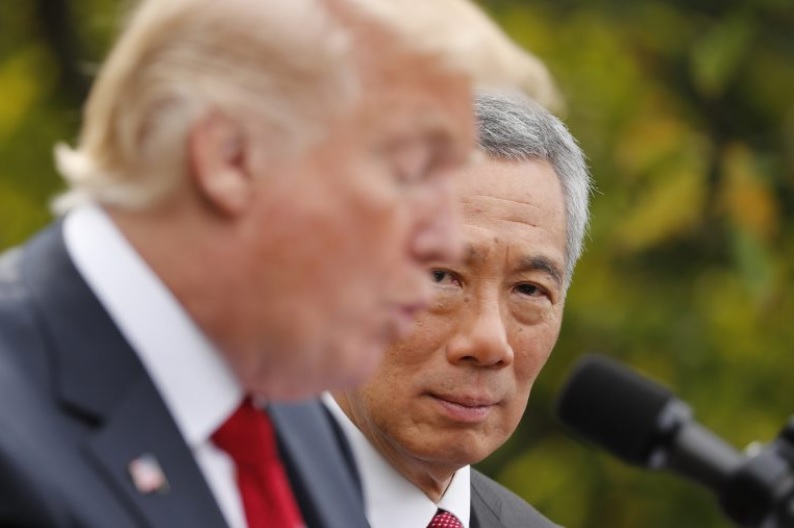
    2017 was a horrible year for Singapore’s government — and for Prime Minister Lee Hsien Loong in particular.

    It began with an open and vocal stoush with China. Late in 2016 the Chinese government confiscated millions of dollars’ worth of Singapore’s military hardware passing through the port of Hong Kong. The action was in part retaliation for Lee’s vocal endorsement of the US position on China’s militarisation of the South China Sea.

    China released Singapore’s military hardware in late January, but then sent a new message of displeasure — Singapore was not welcome at Xi Jinping’s Belt and Road Forum in May 2017. While Lee did not attend the Forum, he later led high-level delegations to both Beijing and Washington, successfully recovering much lost ground.

    Singapore’s ongoing balancing act between China and the US will continue in 2018 with a new factor in play — it is Singapore’s turn as Chair of ASEAN. This position puts Lee on the front line of regional attention. Awkwardly for this balancing act, Lee’s first statement as incoming Chair was a declaration of hope that the United States would continue its engagement with ASEAN and the region.

    Recovering lost ground in foreign policy might be a modest achievement. But domestically, the government is in a state of perpetual crisis management interspersed with misguided political judgements.

    The first domestic crisis of 2017 erupted in June when Lee’s brother and sister, Lee Hsien Yang and Lee Wei Ling, turned to foreign media and social media to reveal ongoing legal disputes over their father’s will. The dispute was not over money but rather over control of the family home. Prime Minister Lee wants to turn it into a national monument to his father, but his siblings want to follow their father’s wishes by bulldozing it.

    This family argument over inheritance became a national issue when the siblings accused Lee Hsien Loong of abusing his power as prime minister to build a family cult around his father’s name — all to bolster his own standing and to smooth the eventual rise to the prime ministership of his son, Li Hongyi. This unresolved dispute has damaged both the Lee brand and Li Hongyi’s prospects of entering politics.

    A second major crisis erupted in October when the regular pattern of train breakdowns on the Mass Rapid Transport system escalated into a major episode — a pumping station in a tunnel failed during an ordinary storm causing an entire train line to be closed by flooding for 20 hours. The cause of the problem proved to be mundane — maintenance work had been neglected and work sheets falsified.

    The Minister for Transport Khaw Boon Wan magnified the damage by unilaterally exonerating both the government and the senior management of Singapore Mass Rapid Transit Corporation. He was particularly singled out for exonerating its CEO Desmond Kuek, whom he thanked as a ‘volunteer’ — a role for which he is paid S$1.87 million (US$1.39 million) per year. Khaw went on to praise him for having his ‘heart in the right place’.

    This episode of ordinary mismanagement was politically significant because it highlights an established pattern of widespread administrative failures and deteriorating government services under Lee’s watch. It also confirmed the perception that highly paid ‘establishment’ figures are protected from the consequences of their actions. Back in 2008 Lee offered similar protection to former deputy prime minister and minister for home affairs Wong Kan Seng when he let an alleged terrorist escape police custody. Wong retained his positions in Cabinet for another three years because Lee stated he had only made ‘an honest mistake’.

    The government has also made several political missteps in 2017. Such missteps included Lee’s odd selection of topics for his National Day Rally Speech in August — a speech equivalent to the US State of the Union address. With Singapore facing challenges on many fronts — managing Xi Jinping and Donald Trump, the South China Sea, rising protectionism, trains, the economy and challenges to Singapore’s role as an air hub — he lectured the population on the dangers of diabetes, which seems to have left most people nonplussed.

    Singaporeans had also been anxiously awaiting new developments on Lee’s successor since he announced in 2016 that he intended to step down as prime minister in 2020. In a country where both the populace and the markets expect long lead times for prime ministerial succession planning — generally a warning of five years or more is given — concern is starting to grow that no clear successor has either been named or emerged.

    Perhaps Lee’s greatest misstep was his handling of the presidential election. The government’s preferred candidate for president was almost defeated in the 2011 elections by popular Chinese rival Tan Cheng Bock. Tan was planning to run again and so the government excluded him by restricting eligibility for election to ethnic Malays under the rather thin cover of enhancing multiracialism.

    This was effective in removing any challenge from Tan, but left just one candidate in the race after two of the three Malay candidates were excluded on other grounds. The episode left a widespread impression that the constitution and the electoral rules are just the plaything of the government, and has done significant damage to both the standing of the presidential office and the government.

    While Singapore’s government has made some positive steps in terms of foreign policy in 2017, its handling of domestic issues has been sub-par. It was a particularly messy year for a government that claims to be preparing for a generational handover in 2020, and it does not bode well for the longevity of the Lee Kuan Yew model of governance.

    Michael D Barr is an Associate Professor of International Relations in the College of Business, Government and Law, Flinders University.

    This article is part of an EAF special feature series on 2017 in review and the year ahead.


    Source: eastasiaforum.org
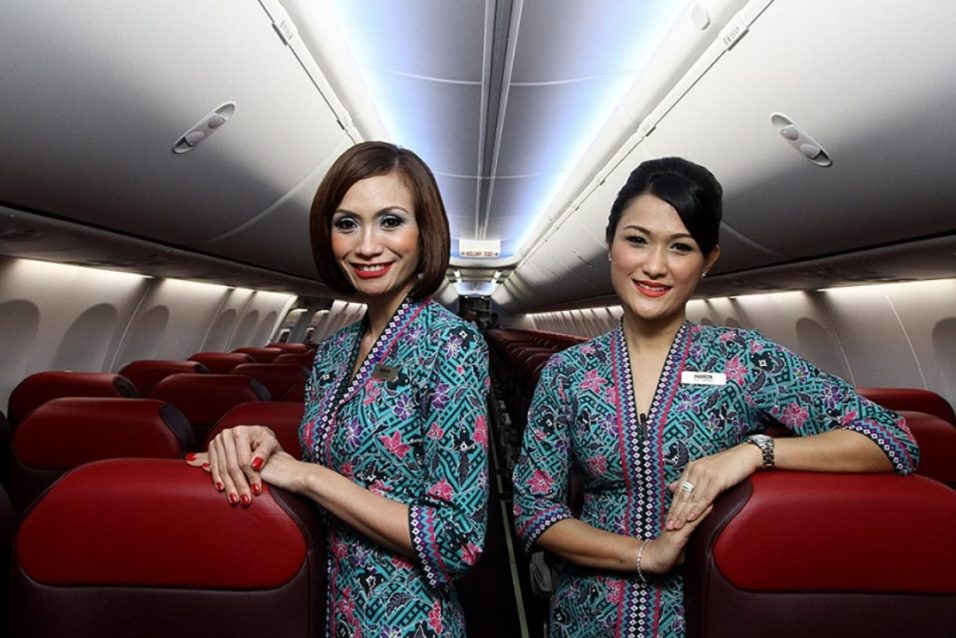
  • Msian Senator Calls For Shariah-Compliant Uniforms For All Malaysian Flight Stewardesses

    Msian Senator Calls For Shariah-Compliant Uniforms For All Malaysian Flight Stewardesses

    The government should introduce shariah-compliant uniforms for flight stewardesses serving the country’s airline companies in portraying its image as a Muslim country, said Senator Datuk Hanafi Mamat.

    He said the move would not hurt the airline companies because their survival depended on delivery of service quality.

    “We are proud that Malaysia is an Islamic country with its own cultural identity, but when our flight stewardesses dress up sexily and disrespectfully, this will give tourists who use the services of our national carriers the wrong impression.

    “The time has come for the government to provide new uniform guidelines which will portray Malaysia as a Muslim country with strong Eastern values,” he said during the debate on the Supply Bill 2018 at the Dewan Negara here today.

    Meanwhile, Senator Khairul Azwan Harun recommended that the Human Resource Ministry identified the job sectors which were exposed to the challenges of the Industrial Revolution (RI) 4.0.

    He said 35 per cent of existing jobs would be replaced by automated, electronic and robot systems with the advent of RI 4.0 and this was a threat to career safety.

    “For example, when I first served as an accountant, auditing was done manually but nowadays we use computer applications which are more effective.

    “As such we need to prepare the youngsters who are in school today so that in 20 to 30 years’ time they would be employed and earning a living,” he said.

    Senator Datuk Farahiyah Nordin proposed that the Dewan Bahasa dan Pustaka be upgraded as a National Language Commission for the language to be empowered and enforced more effectively.

    She said the role of the Malay language as the national language was seen to be declining as many were not practising proper usage of the language.

    The Dewan Negara sitting continues tomorrow.

    Source: themalaymailonline/bernama

  • Commentary: Is MUIS The Problem Or The Solution? Are They ‘Really There’?

    Commentary: Is MUIS The Problem Or The Solution? Are They ‘Really There’?

    Is MUIS the problem or the solution?

    While the world express vociferous objections towards Donald trump for his blatant acts of provocation, our beloved MUIS is seen as being indifferent and muted towards the situation.

    MUIS, for the longest time, has not been the representative of the Malay/Muslim community in Singapore.

    It is not capable of expressing the sentiments and advancing the aspirations of the community. Its fecklessness is due to 2 crucial factors.

    1. It receives funding from the gov.

    2. The leadership of MUIS is not elected by the community but rather installed and approved by PAP gov

    MUIS is the highest governing body for the Muslims in Singapore. We placed our hope that it acts for the best of our interest. Yet, MUIS has been found wanting on numerous occasions.

    There are many instances where MUIS has taken on the narrative of the gov and became part of the state propaganda.

    It has no organizational backbone to have views contrary to the state. It operates as if it has to take directives from the gov and wait for instructions on views deemed sensitive. This shows a clear lack of autonomy and of a weak leadership.

    Frequently, the views or statements from MUIS mirrors those of the gov. In doing so, it runs the risk of being seen as subservient to a secular gov. It often uses weak justifications and rationale to which this PAP gov is known for.

    Ive not read any statements from MUIS that are different from those of the PAP gov. Issues like;

    – Tudung
    – The banning of Mufti Menk
    – Yusof Estes being denied entry
    – The discrimination faced by our community in the workforce
    – The Rohingyas
    – The Palestinians

    The list goes on. The near absence of the Malay/Muslim political voice in Singapore is reflected in how MUIS conducts itself on a national level.

    If MUIS continues to be emasculated, and act only for its self-interest, then it will not be a surprise should one day, it becomes irrelevant to the very community it is supposed to serve.

    If that happens, there’s a high chance that the community may seek other avenues for its spiritual consumption and with it, comes the real chance of radicalization slowly growing its base.


    Source: Khan Osman Sulaiman

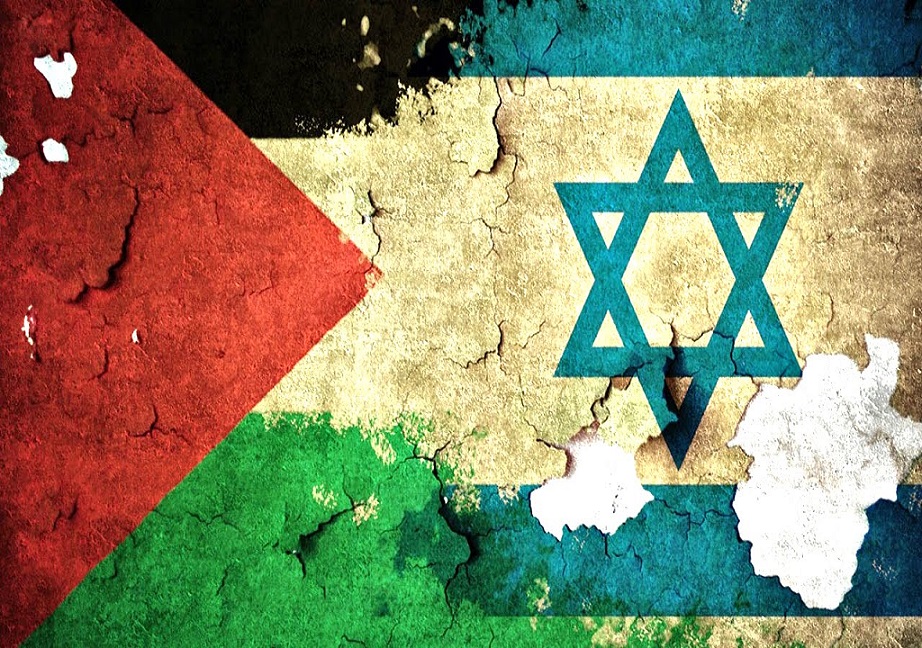
  • FAQ On The Current Jerusalem Issue

    FAQ On The Current Jerusalem Issue

    (1) “So sekarang Jerusalem/Baitulmqadis tu Israel punya kah?”

    TIDAK. Bila Trump kata Jerusalem itu ibu negara Israel, bukan bermaksud secara automatik Jerusalem terus jadi hak milik Israel. Trump bukan hakim dunia. Dia hanya Presiden US. Di dunia kita sekarang, hanya Pertubuhan Bangsa-Bangsa Bersatu (United Nations – UN) saja yang boleh beri kata putus bahawa wilayah ini milik siapa, wilayah itu milik siapa. US hanya salah satu daripada 5 kuasa besar dunia (selainnya ialah Rusia, China, UK dan Perancis) yang boleh membuat keputusan di UN melalui kuasa veto mereka di Majlis Keselamatan. Sehingga sekarang, UN masih menganggap pendudukan Israel ke atas Jerusalem Timur tidak sah dan Israel perlu berundur ke sempadan asalnya sebelum tahun 1967. Kalau guna bahasa undang-undang antarabangsa, Israel hanya ada kawalan “DE FACTO” ke atas Jerusalem Timur. Pendudukan Israel ke atas Jerusalem Timur tidak diberi pengiktirafan “DE JURE” oleh komuniti antarabangsa.


    (2) “Ya Allah! Kiamat makin dekat! ”

    Baitulmaqdis tidak jatuh ke tangan Israel bermula semalam. Al-Aqsa (di Jerusalem Timur) telah pun jatuh ke tangan Israel 50 tahun yang lalu lagi, selepas kekalahan Jordan (penguasa asal Jerusalem Timur) dalam Perang Enam Hari 1967. Tanda kiamat dah mula pun sejak 50 tahun yang lepas. Apa yang korang buat selama 50 tahun lepas lah wey.


    (3) “Ibu negara Israel kat mana sebenarnya?”

    Sejak 1950, ibu negara Israel ialah Jerusalem Barat iaitu tempat terletaknya Parlimen, Mahkamah Agung dan Pejabat PM Israel. Selepas Israel menawan Jerusalem Timur pada 1967, Israel meluluskan Jerusalem Law pada tahun 1980 yang menyatakan “the complete and united Jerusalem is the capital of Israel”. Maksudnya Israel nak menyatukan Jerusalem Barat dan Jerusalem Timur sebagai ibu negaranya. Perjanjian Oslo 1993 yang dipersetujui oleh Yitzhak Rabin (Israel) dan Yasser Arafat (Palestin) mengatakan status Jerusalem Timur harus ditentukan melalui perundingan bersama Israel-Palestin. Ini menyebabkan Rabin dibunuh oleh ekstremis Zionis kerana ia bakal menggadaikan pemilikan penuh Israel ke atas Jerusalem Timur. Perundingan damai Israel-Palestin asyik gagal disebabkan politikus right-wing di Israel seperti Netanyahu tidak mahu berkompromi dalam isu Jerusalem. Jadi, NO, Israel tidak perlu memindahkan ibu negaranya susulan kenyataan Trump.


    (4) “Kenapa Trump nak mengiktiraf Jerusalem sebagai ibu negara Israel?”

    Gimik politik. Mid-Term Election dah nak dekat. Trump pernah berjanji semasa kempen tahun 2016 bahawa dia akan mengiktiraf Jerusalem sebagai ibu negara Israel, satu strategi untuk mengambil hati Yahudi Zionis dan Kristian Evangelis (tak semua Yahudi pro Israel, jangan pukul rata). Sama seperti Obama yang pernah berucap semasa kempen tahun 2008 bahawa “Jerusalem will remain the capital of Israel, and it must remain undivided”. Apa yang Trump buat adalah lebih kepada prosedur standard Presiden. Pada tahun 1995, Kongres US telah meluluskan Jerusalem Embassy Act yang mengiktiraf “undivided Jerusalem” (merangkumi Jerusalem Barat dan Jerusalem Timur) sebagai ibu negara Israel dan mengarahkan Department of State (Kementerian Luar) untuk memindahkan kedutaan US ke Jerusalem.

    Tapi akta tersebut turut memberi peruntukan “waiver” di mana Presiden boleh menangguhkan perpindahan tersebut. Sejak 1995, Clinton, Bush dan Obama telah pun menandatangani waiver tersebut walaupun ada di kalangan mereka yang pro-Israel. Waiver itu perlu renew setiap 6 bulan. Kali terakhir Trump menandatangani waiver adalah pada 1 Jun 2017, jadi waiver itu dah expired pada Disember 2017 dan Trump mengambil kesempatan ini untuk membuat kenyataan. Tak pasti Trump sudah atau belum menandatangani waiver tu. Kalau ikut sumber ini, Trump sebenarnya dah menandatangani waiver. Jadi kali ini Trump sekadar sembang, sebab election dah dekat.

    Pada 23 Disember 2016, Majlis Keselamatan UN 2015-2016 telah meluluskan Resolusi 2334 yang mengatakan pendudukan Israel ke atas Jerusalem Timur tidak sah. Resolusi tersebut dapat diluluskan kerana US tidak menggunakan kuasa vetonya. Obama saja nak kenakan Netanyahu sebelum habis tempoh jawatannya sebagai Presiden. Kalau sekarang Israel dan US nak mengusulkan sebarang resolusi untuk menjadikan Jerusalem sebagai ibu negara Israel pun, ia tetap akan diveto oleh Rusia dan China yang telah lama menyokong Palestin dalam hal ini. Jadi kenyataan Trump kali ini tidak akan mengubah keputusan tersebut. Ia cuma dapat menyelamatkan sedikit air muka Netanyahu.


    (5) “So kalau tak ada apa-apa effect, buat apa nak bantah?”

    Sebab US sebagai penimbangtara proses perdamaian Israel-Palestin, ia harus menghormati Perjanjian Oslo 1993 dan menjaga perasaan Palestin. Kenyataan Trump seolah-olah memberi sokongan moral kepada Israel dan membelakangi resolusi-resolusi UN yang jelas mengecam klaim Israel ke atas Jerusalem Timur.


    Kadang kala kita perlu menguasai pengetahuan asas hubungan antarabangsa sebelum meninggalkan komen-komen yang tidak matang di merata media sosial. Trump tengok komen korang pun rasa WTF. Kurangkan karut, satukan hati. Insya Allah, Palestine will be free.

    (p/s: my brothers and sisters, the Jerusalem issue is not a religious issue. It is an universal humanitarian concern over Israel’s illegal occupation of East Jerusalem and its continued defiance of international law. Don’t let the extremists from both sides lure you into choosing side based on your faith).


    Source: Ayman

  • American-Muslim Preacher Yusuf Estes’s Views Not A Threat To Social Harmony

    American-Muslim Preacher Yusuf Estes’s Views Not A Threat To Social Harmony

    As a Christian, I do not see how the views of American-Muslim preacher Yusuf Estes denigrate the Christian faith or “damage social harmony”, by claiming that it is “not part of Islam to celebrate other people’s holidays” or questioning the religious basis for Christmas. (“S’pore blocks American-Muslim preacher from entering to preach on Islamic-themed cruise”, Dec 2)

    A Muslim is fully entitled to refrain from participating in religious festivities of other religions.

    Article 16(3) of the Singapore Constitution guarantees that no person shall be required to receive instruction in or to take part in any ceremony or act of worship of a religion other than his own.

    In a 1999 case, the Singapore Court of Appeal explained that this is meant to protect a person’s right to choose his own religion. For example, a Muslim cannot be “required to take part in” a Christian ceremony such as the Holy Communion.

    Furthermore, Estes’ view that Christmas was ‘from the Solstice celebration, and had been going on for hundreds of years before the time of Jesus’, is neither new nor offensive.

    It is a widely known among many scholars that Jesus Christ was not born on Dec 25 of 1 AD.

    Historians and Christian scholars alike recognise that the ancient Roman Empire celebrated Saturnalia, a winter solstice festival, at or about the time of Dec 25 each year.

    According to Sam Moorhead of the British Museum, after the Roman Empire embraced Christianity as its official religion, Saturnalia was incorporated as a Christian holy day.

    While many Christians celebrate Christmas, there are also those who do not.

    The discussion is an ongoing one, among Christians and non-Christians alike, as to the origins of Christmas or whether it is acceptable to “redeem” such ancient Roman festivals. This is a natural and reasonable exercise of freedom of speech and religion.

    However, it is quite another thing for the Government to stifle the discussion by deeming certain perspectives as offensive or denigratory.

    In order to promote respect for religious freedom and harmony, the right of every person to pursue religious truth and live in line with his conscience should be respected and upheld. Short of real threats to public order, health or morality, the Government should respect the right of every person to profess, practise and propagate his religion.


    Source: todayonline