Category: Singapuraku

  • Life After Graduation: Special Education Students At Work

    Life After Graduation: Special Education Students At Work

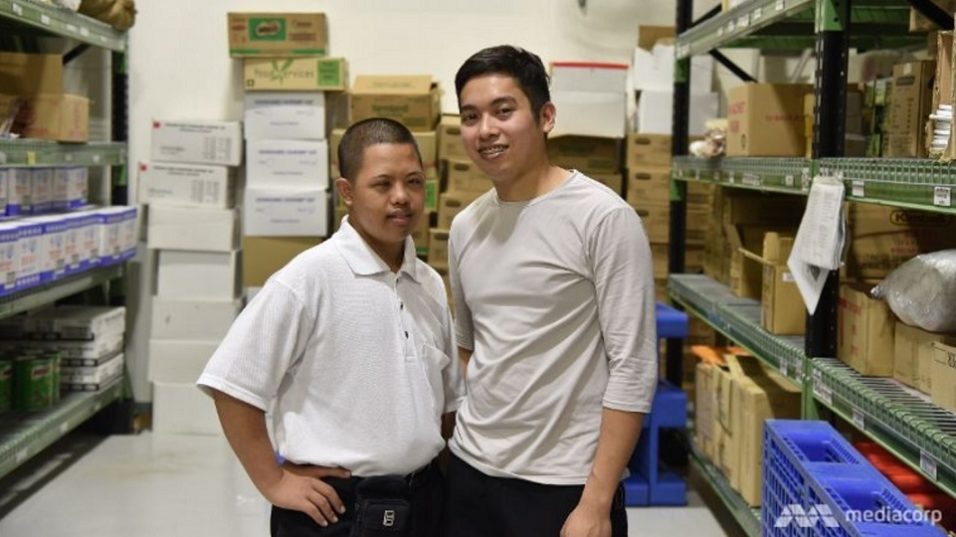
    “Faiz, can you pack all these things into a box and seal it?” asked Mark Maranan, lead cook at the central kitchen of restaurant chain Han’s central kitchen.

    Faiz Muhsin nodded. “One, two, three…,” the 20-year-old started counting while packing the items.

    The task may seem easy to most people, but for Faiz, who has a moderate to severe intellectual disability, it can be quite daunting.

    Faiz has been working at Han’s central kitchen for almost two years. In his final year at the Movement for the Intellectually Disabled of Singapore (Minds) in 2014, Faiz joined the School-to-Work (S2W) Transition Programme which prepares students with special needs to enter the workforce.

    Under the programme, Faiz was trained for about two months by SG Enable – an agency that helps people with disabilities – before he was deployed to Han’s for a nine-month internship.

    After the internship, he was offered a part-time position as a packer at the food and beverage chain. To help Faiz assimilate into the work environment, his supervisor Mr Maranan informed the team about his condition and they accommodated his working style.

    “He’s a quiet person so we need to adjust the way we communicate with him. We need to talk to him a bit slowly and we need to say it in short sentences so he can easily understand what we want him to do,” said Mr Maranan, who also described Faiz as a hardworking person who would often ask questions about his job.

    “Faiz can communicate quite well. Sometimes we also have lunch together. He’s like an ordinary person to me,” he said.

    Faiz’s job scope has also been expanded: He now helps out at the central kitchen, counting and marinating raw pieces of fish or chicken as part of the food preparation process.

    “I like my job. Free lunch, earn money. They (colleagues) are very fun,” Faiz said with a wide grin on his face.

    Faiz’ job scope has been expanded and he is now helping out with the food preparation process. (Photo: Lim Jia Qi)

    Others have not been as fortunate as Faiz. For Grace Cho, who has autism spectrum disorder (ASD) – a condition which hinders communication and interaction with people – there were difficulties in getting along with her co-workers.

    The challenge for the 28-year-old was not about finding for a job, but keeping one.

    After graduating from Mountbatten Vocational School in 2007, Grace took on several jobs before she was referred by an organisation that provides employment services for people with disabilities to work as a vegetable packer at a logistics company.

    Getting along with her co-workers at the company was not easy as she would often be scolded for not being fast enough on her job.

    “There were a lot of vegetables coming in and they (co-workers) started to rush for that. When it got jammed up, the vegetables dropped onto the floor … I was focusing on packing and sealing and I didn’t pick them up. Some of them said to me ‘You didn’t stop and help us pick up, you are not very good’,” Grace recounted.

    “I felt angry. I pushed the boxes and they dropped onto the floor. But they (co-workers) kept repeating that they had enough,” she said.

    Grace eventually left the job after less than a year. Her next job as a packer at a pharmaceutical company did not go well either as she was not clear about the workflow. “I got more things to pack. I don’t have a schedule and I didn’t know which one to do. I got confused,” she said.

    With her mother’s encouragement, Grace sought help from the Autism Resource Centre’s Employability and Employment Centre and she is currently working as a packer at The Green Corridor, where fresh fruits are processed and packaged for the supermarkets in Singapore.

    28-year-old Grace Cho took on several jobs before seeking help at Autism Resource Centre’s Employability and Employment Centre. (Photo: Lim Jia Qi)

    According to the Ministry of Education (MOE), about 300 students graduate from Special Education (SPED) schools each year. About 1 in 3 from each cohort went on to work in different industries including retail, hospitality, medical services as well as food and beverage.

    To help Singaporeans with special needs find employment, MOE has put in place various measures to prepare students in SPED schools for employment.

    These include having a framework for vocational education that guides SPED schools to develop a structured curriculum to help students with special needs gain employable skills.

    Students who obtained either the ITE Skills Certification at Metta School or Workforce Skills Qualification at Delta Senior School may apply for jobs in the open market or attend further training if they meet the pre-requisites for the courses, said MOE.

    President of the Autism Resource Centre Denise Phua said one of the reasons that adults with autism are not able to hold down a job for long could be because many of them were never exposed to the culture of work and what is expected on the job.

    “It is only in recent years that the quality of early intervention and education of students with autism is raised,” said Ms Phua, who is also a Member of Parliament.

    Another reason could also be due to low awareness among employers to put in place autism-friendly worksites, she added.

    While Ms Phua noted that employers have greater awareness than before and the emergence of more dedicated agencies to support people with special needs, more can be done to improve the current situation.

    “It’s about showing models, systems, possibilities and success that employment and work can be done for people with ASD,” she said.

    “It’s also about educating people and employers that there are different models of employment. For example, part time is one of the viable ways for people with special needs to be employed.”

    For Grace, she has been working at The Green Corridor for more than a year. Besides having a job coach onsite to guide her, there are also visual instructions and communication scripts to help her work independently.

    Grace working with her job coach at The Green Corridor located at the Enabling Village. (Photo: Lim Jia Qi)

    “The task that I was given I did it independently. I’m also following given schedule without someone telling me what to do next. I’m happy,” she said.


    Source: CNA
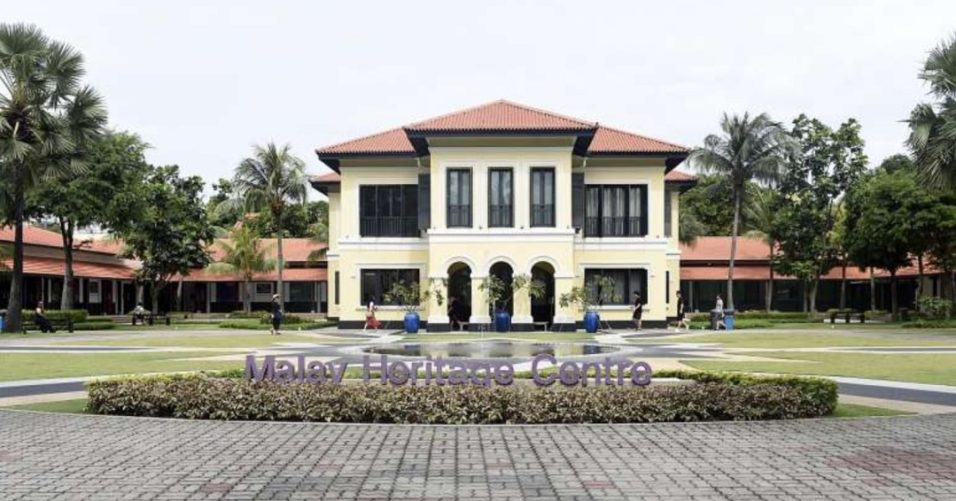
  • Where Malay Royalty Once Lived And Worshipped

    Where Malay Royalty Once Lived And Worshipped

    You can say this was a “glam” kampung, given that it used to be where Malay royalty lived, but Kampong Glam, also called Kampong Gelam, is probably named after a tree.

    Still, Kampong Glam stands as a glamorous attraction today, with its Middle Eastern eateries and trendy fashion shops.

    Beyond these modern additions, sitting grandly in the heart of the enclave are two historic monuments – the Istana Kampong Gelam and the Masjid Sultan.

    The Istana Kampong Gelam was the palace of Sultan Hussein Shah, the 19th-century ruler of the Johor Sultanate which Singapore was part of, while the Masjid Sultan next door had been constructed shortly after upon his request.

    The two grand buildings serve as a reminder of the Malay royalty who once ruled the area.

    The Sultan’s original residence was a timber structure built on stilts in the traditional Malay style.

    According to the National Heritage Board’s (NHB) Preservation of Sites and Monuments division, the present two-storey brick-and-mortar structure was completed in 1843 and commissioned by his son and heir Tengku Mohammed Ali.

    The building’s design reflects both classical European and traditional Malay architecture.

    The round arches at the entrance porch showcase the European design influence, while its layout corresponds to Malay Limas house typology, where the main entrance leading to the main house is connected to an annexe where the kitchen would traditionally be located.

    Meanwhile, the Masjid Sultan, or the Sultan’s Mosque, was originally a single-storey brick structure built in the 1820s.

    Almost a century later, it was in need of repairs and a new mosque was planned. Irish architect Denis Santry from local architectural firm Swan and Maclaren was commissioned for the rebuilding project spanning 1924 to 1928.

    He designed it in an Indo-Saracenic style, which offers a mix of traditional Indian and Islamic elements.

    The mosque features two gold onion domes, and the base of each dome is adorned with glass bottle ends collected from poor Muslims as donations.

    These monuments are key in telling the larger story of early Singapore, said Ms Suhaili Osman, assistant curator of the Malay Heritage Centre, which now occupies Sultan Hussein’s former palace.

    For instance, porcelain plates dug up from the compound of the Istana Kampong Gelam bear the insignia of ceramic producers from Asia and Europe such as J. & G. Meakin of England. This reflects how the area near the Kallang Basin had thrived as an emporium, with goods from across the globe, in the 19th and 20th centuries.

    Chinese, Jawi and Dutch East India Company coins, also unearthed during two archaeological surveys in the early 2000s, further underscore the cosmopolitan nature of Kampong Glam as well as its economic importance.

    Ms Suhaili said the artefacts “prove that there are more layers to Singapore’s story beyond the traditional narrative of its early beginnings as a sleepy fishing village”.

    According to heritage conservation expert Johannes Widodo, an associate professor at the National University of Singapore, the Kampong Glam compound was laid out based on Hindu and Buddhist mandala symbol principles.

    The mosque and royal graveyard in Jalan Kubor functioned as its crown and the palace was its body, while a market town and old settlement stood as its feet.

    The Istana Kampong Gelam palace compound itself was allotted to Sultan Hussein, after he and Temenggong Abdul Rahman signed a treaty with Sir Stamford Raffles for the British East India Company to set up a trading post here on Feb 6, 1819.

    But to diminish the power of the royals, the British sliced up the area, with Victoria Street and North and South Bridge roads cutting through the place.

    In 1999, the Government announced that the Istana Kampong Gelam would be conserved.

    Some 79 beneficiaries and tenants, including Mr Tengku Shawal, the seventh-generation descendant of Sultan Hussein, were awarded a total of $350,000 a year for 30 years.

    The former palace was restored after its residents moved out and it was turned into the Malay Heritage Centre in 2005.

    The centre, which is managed by NHB in partnership with the Malay Heritage Foundation, houses six permanent galleries.

    Mr Harneis Hadir, general manager at the Malay Heritage Centre, said it aims to provide all communities that go through its doors “a holistic and well-rounded cultural experience”.

    He said visitors can look forward to the annual Malay CultureFest and a special exhibition on the Bugis community this year.

    The Masjid Sultan, meanwhile, took home the Urban Redevelopment Authority’s Architectural Heritage Award last year for its $4.6 million restoration, which included a fresh coat of paint for its golden domes and the addition of elderly- friendly facilities such as a glass lift.

    The mosque won in the restoration category which honours work done to sensitively repair and restore heritage buildings.

    The chairman of its board of trustees, Mr Mohamed Patail, 65, said the restored monument has attracted both worshippers and tourists far and wide.

    On the congregants, he said: “They feel a sense of belonging to the mosque, which is one of the oldest in Singapore. They also come here for a nice family outing – pray at a historically significant mosque, walk around the enclave and then eat at one of the nasi padang stalls.”


    Source: ST

  • Is Government A Person? Court Rules On Anti-Harassment Law Provision

    Is Government A Person? Court Rules On Anti-Harassment Law Provision

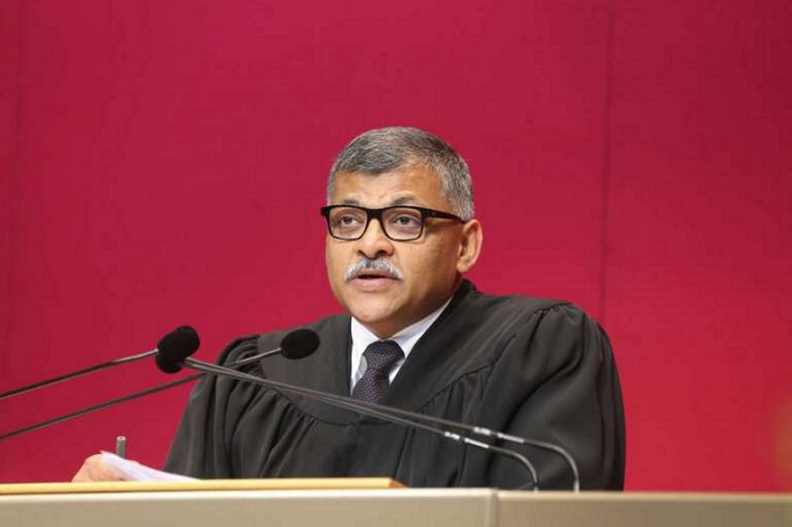
    In a rare split decision, the Court of Appeal ruled, 2-1, that the Government cannot invoke an anti-harassment law that allows persons to stop the publication of false statements against them.

    Chief Justice Sundaresh Menon was the sole dissenting judge, in a case that hinged on the narrow legal question of whether the Government could be considered a “person” under Section 15 of the Protection from Harassment Act.

    Under the provision, a person who is a victim of a false statement can seek relief by asking the court to order that the statement not be published unless it drew attention to the truth.

    In a written judgment released yesterday, Judges of Appeal Chao Hick Tin and Andrew Phang ruled that the law applied only to human beings.

    However, Chief Justice Menon disagreed. He concluded that the Government does fall within the scope of “person” under the law and is able to apply under the provision for relief.

    The decision arose in a case in which the Attorney-General had invoked the law against five individuals who ran socio-political site The Online Citizen (TOC) as well as Dr Ting Choon Meng, co-founder of medical device firm MobileStats Technologies.

    MobileStats had sued the Ministry of Defence (Mindef) in 2011 for infringing its patent for a mobile emergency medical station. The suit was eventually dropped.

    In January 2015, TOC published an interview with Dr Ting, in which he made various allegations against Mindef.

    The ministry responded on its Facebook page, refuting his allegations that it had knowingly infringed his patent and that it had dragged out court proceedings to wear him down financially.

    TOC published Mindef’s statement in full and provided a link to it from the offending article.

    The next month, the A-G sought a court order that the allegations cannot be published without a notification that they were false and that Mindef’s statement gave the truth.

    In May 2015, a district judge found Dr Ting’s statements to be false and granted the A-G’s ap- plication.

    TOC, represented by Mr Eugene Thuraisingam, and Dr Ting, represented by Mr Choo Zheng Xi, appealed to the High Court, arguing that Mindef cannot apply for such an order as the Government is not a “person” under the provision.

    Judicial Commissioner See Kee Oon agreed, ruling that only human beings are entitled to apply for such court orders.

    The A-G then appealed to the Court of Appeal, Singapore’s highest court, arguing that there was no clear parliamentary intent to exclude the Government from the protection of the Act.

    The A-G argued that the objective of the provision was to deal with false statements and not merely harassment, so the Government and corporate entities have the right to invoke the law.

    Delivering the court’s majority decision, Justice Phang referred to parliamentary debates in which Law Minister K. Shanmugam talked about giving people a “lower tier” remedy against falsehoods.

    Justice Phang said it was clear that the minister’s focus was solely on human beings, pointing to the many references to “victims” and “harassment” in his speech.

    No references were made with regard to the rights of other entities, he noted.

    Justice Phang added that even if the majority accepted that the law applies to Mindef, they did not think it was “just and equitable” to grant an order against TOC and Dr Ting.

    He noted that TOC had provided a balanced view.

    “Additionally, Mindef was anything but a helpless victim. It is a government agency possessed of significant resources and access to media channels.”

    Through his lawyer Mr Choo, Dr Ting said he was glad that this episode was concluded.

    Mr Thuraisingam said his clients are “happy that the position they have taken has been vindicated by the High Court and the majority of the Court of Appeal”.


    Source: ST

  • Pelajar Madrasah Al-Ma’arif, Nabilah Farhah, Raih 8A Bagi GCE O

    Pelajar Madrasah Al-Ma’arif, Nabilah Farhah, Raih 8A Bagi GCE O

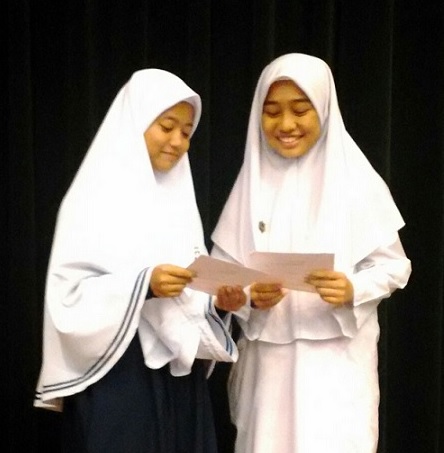
    Jelas dengan matlamat yang ingin dicapai menjadi antara faktor kejayaan yang dikecap oleh Nabilah Farhah Ali, yang memperolehi keputusan 8A bagi peperiksaan GCE O tahun lalu.

    Nabilah merupakan pelajar terbaik Madrasah Al-Ma’arif Al Islamiah, dengan keputusan 7 A1, 1 A2 dan 1 B3.

    Meskipun beliau disifatkan sebagai pelajar yang rajin dan konsisten dalam pelajaran, Nabilah memberitahu BERITAMediacorp, sepanjang tahun 2016, cabaran paling hebat bagi dirinya adalah mengimbangi masa.

    “Pada tahun 2016 saya dipilih menyertai Bahas 4PM peringkat sekolah menengah. Jadi setiap hari selepas sekolah saya dikehendaki balik lambat selepas maghrib atau pukul 9.00 malam.

    “Bila sampai di rumah sudah pukul 10.000 malam dan banyak kerja sekolah atau projek yang perlu dihabiskan. Kadang-kala rasa macam tak boleh habis, kadang-kala sehingga saya menangis. Tidur juga kadang-kala tidak mencukupi,” ujar beliau.

    SALING CABAR-MENCABAR ANTARA ADIK BERADIK

    Menurut Nabilah lagi, salah satu cara untuk beliau sentiasa membakar semangat adalah saling ‘cabar-mencabar’ dengan dua orang abangnya.

    “Saya akan ambil keputusan GCE O abang saya dulu dan tampal pada meja ketika mengulangkaji pelajaran. Saya beritahu diri saya supaya dapatkan keputusan yang lebih baik daripada apa yang abang saya perolehi.

    “Kalau abang dapat keputusan B3 bagi sesuatu mata pelajaran saya beritahu abang yang saya akan dapat yang lebih baik. Abang saya pula akan mencabar saya,” kongsi anak bongsu tiga beradik itu.

    Nabila, yang kini sedang menyambung pengajian di peringkat pra-universiti di Madrasah Aljunied, menanam cita-cita untuk melanjutkan pelajaran di salah sebuah universiti yang diiktiraf di Timur Tengah.

    KURANG LEPASAN MADRASAH YANG JADI AHLI SAINS

    Bukan itu saja, setelah berjaya dalam bidang ukhrawi di Timur Tengah, Nabilah juga ingin melanjutkan pengajian dalam bidang sains!

    “Keutamaan saya adalah pendidikan ukhrawi. Ia penting bagi saya secara peribadi. Bidang akademik adalah yang kedua selepas ukhrawi.”

    Minatnya dalam bidang sains didorong oleh kurangnya pakar sains Muslim, khususnya kaum Muslimah, dan beliau merancang untuk mendalami ilmu sains bioteknologi molacular.

    “Saya rasa agak kurang lepasan madrasah yang menjadi ahli sains. Sebahagian asatizah saya juga ingin seorang pelajar yang dapat mengharumkan nama madrasah dalam bidang sains.

    Nabilah turut berkongsi kata-kata perangsang yang turut menjadi pegangan dirinya sendiri.

    “Kalau menuntut ilmu atau mengejar cita-cita mestilah ada satu pegangan yang membawa kita ke arah itu.

    “Bagi saya, saya mahu membuat ibu bapa saya bangga dengan saya. Saya mahu berjaya supaya mereka tahu saya boleh cemerlang dalam kedua-dua bidang ukhrawi dan duniawi.

    “Perlu ada alasan yang kukuh mengapa kita mahu mengejar cita-cita kita,” Nabila memberitahu BERITAMediacorp.

    TANGGUNGJAWAB LEBIH BERAT SETELAH IBU PERGI

    Seorang lagi pelajar Madrasah Al-Ma’arif Al-Islamiah meraih keputusan yang baik walaupun perlu menggalas tanggungjawab yang lebih berat setelah pemergian ibu yang tercinta.

    Hazirah Nurfitriah meraih keputusan 5 A daripada sembilan mata pelajaran bagi peperiksaan GCE O tahun lalu.

    Hazirah adalah anak sulung daripada lima beradik.

    Hazirah memberitahu BERITAMediacorp, beliau perlu pandai menguruskan masa dengan baik supaya dapat mengimbangi pelbagai tanggungjawab yang diberikan kepadanya – baik di rumah mahupun di sekolah.

    “Saya ada dua orang adik yang masih berada di sekolah rendah dan mereka memerlukan bantuan apabila membuat kerja sekolah. Memang perlu tahu mana yang perlu diutamakan.

    “Saya perlu memastikan saya habiskan semua tugasan saya tepat pada waktu supaya boleh tumpukan perhatian pada pelajaran,” tambah beliau.

    RINDU IBU SEMASA AMBIL KEPUTUSAN

    Kerinduan Hazirah pada ibunya, yang meninggal dunia akibat barah hati pada 2013, amat dirasai pada hari beliau mengambil keputusan di sekolah.

    “Bila saya ambil keputusan, saya terfikir bagaimana agaknya reaksi ibu jika beliau ada sisi saya ketika itu. Saya lihat rakan-rakan saya semua bersama ibu mereka.

    “Saya berharap ibu saya akan berbangga. Beliau selalu memberikan sokongan kepada saya. Waktu saya menduduki PSLE, jika saya kurang pasti atau tidak berpuas hati dengan keputusan, ibu dan bapa saya akan menasihati saya supaya bersyukur jika saya sudah berusaha bersungguh-sungguh dan jika tidak, saya perlu berusaha lebih gigih lagi,” ujar Hazirah.

    Beliau juga bercita-cita untuk meneruskan pelajaran supaya di masa akan datang dapat membantu bapanya yang bekerja keras demi mencari rezeki untuk mereka sekeluarga.

    Beliau, yang meminati bidang penulisan kreatif dan psikologi, sedang menimbangkan untuk melanjutkan pengajian di salah sebuah politeknik di sini.

    Source: BERITAmediacorp

  • 18 Mahasiswa S’pura Di Jordan Bantu Solatkan, Kebumikan Jenazah Allahyarham Abdul Ghafur

    18 Mahasiswa S’pura Di Jordan Bantu Solatkan, Kebumikan Jenazah Allahyarham Abdul Ghafur

    Bantuan segera dan semangat gotong royong 18 pelajar universiti Singapura di Jordan, menjadi faktor utama yang memastikan proses pengebumian warga Singapura yang meninggal dunia di Jordan semalam (11 Jan), berjalan dengan lancar.

    Allahyarham Abdul Ghafur Mohd Ibrahim, seorang jemaah umrah, meninggal dunia di Jordan sebelum sempat diterbang pulang ke Singapura pada hari yang sama, untuk rawatan lanjut.

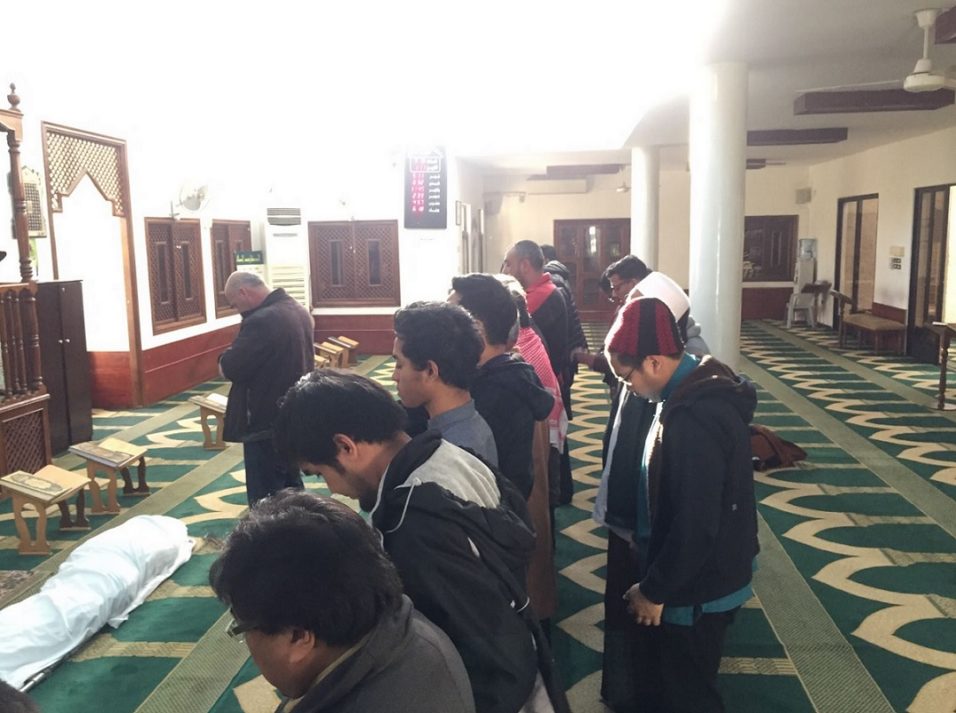
    Salah seorang pelajar Singapura di Jordan, Uwais al-Qarni Mohamed Fauzi memberitahu BERITAMediacorp hari ini (12 Jan), seramai 11 mahasiswa lelaki dan 7 mahasiswa perempuan – berhimpun di Masjid Ayyub Al Ansari untuk melakukan solat jenazah bagi Allahyarham.

    Masjid tersebut terletak di Amman berdekatan universiti mereka, dan solat jenazah itu turut disertai anggota keluarga Allahyarham Abdul Ghafur.

    Mereka kemudian beramai-ramai memulakan perjalanan selama sejam ke tanah perkuburan.

    “Kami mengebumikan Allahyarham di Tanah Perkuburan Islam Sahab selepas solat Asar, iaitu sekitar pukul 4.30 petang waktu Jordan. Cuma pelajar lelaki sahaja yang menyusul ke kubur,” kata Uwais lagi semasa dihubungi BERITAMediacorp menerusi panggilan jarak jauh.

    Upacara pengebumian tersebut juga dihadiri isteri, menantu dan dua daripada tiga orang anak Allahyarham Abdul Ghafur.


    PELAJAR S’PURA MULA HUBUNGI KELUARGA ALLAHYARHAM SETELAH KETAHUI BERITANYA

    Allahyarham Abdul Ghafur, 59 tahun, berlepas ke Arab Saudi untuk menunaikan ibadah umrah bersama isterinya pada Disember lalu.

    Namun, setelah terjatuh di Makkah, Allahyarham terpaksa dimasukkan ke Hospital Al Khalidi di Jordan bagi mendapatkan rawatan.

    Kakinya terpaksa dipotong kerana dijangkiti sejenis bakteria yang menghancurkan tisu-tisu tubuh manusia.

    “Setelah mendapat tahu tentang rakyat Singapura yang sakit di Jordan, dua pelajar perempuan menghubungi keluarga Allahyarham dan kami terus berhubungan dengan mereka,” kata Uwais, yang merupakan mahasiswa tahun dua dalam jurusan Usuluddin di Jordan.

    “Jadi apabila Allahyarham meninggal dunia, kami dimaklumkan oleh keluarganya sekitar 9.30 pagi waktu Jordan,” tambah beliau lagi.

    PARA PELAJAR TURUT HULUR BANTUAN KEWANGAN

    Selain membantu dalam proses pengebumian dan menjalankan solat jenzah, para mahasiswa Singapura itu juga berjaya mengumpulkan derma melebihi $500 JD (S$1,000).

    Wang tersebut sudahpun diserahkan kepada keluarga Allahyarham semasa di Lapangan Terbang Antarabangsa Queen Alia pagi tadi, semasa keluarga Allahyarham berlepas pulang ke Singapura.

    Semalam, BERITAMediacorp difahamkan, kos rawatan hospital Allahyarham di Jordan, menjangkau sekitar S$150,000. Bagaimanapun pihak hospital bersetuju memberi potongan sehingga hampir separuh.

    BERITAMediacorp juga diberitahu, pihak keluarga Allahyarham sudah melunaskan kos rawatan yang dipercayai mencapai lebih $80,000 hasil sumbangan orang ramai dan pihak insurans.

    LAPORAN BERKAITAN:

    Jemaah umrah S’pura, yang dirawat di Jordan meninggal dunia, sebelum sempat diterbangkan pulang 


    Source: BeritaMediacorp

deneme bonusu