Blog

  • Traditional Healer Captures ‘Demons’, Ends Family’s Seven Years Of Misery Plagued By Mysterious Fires

    Traditional Healer Captures ‘Demons’, Ends Family’s Seven Years Of Misery Plagued By Mysterious Fires

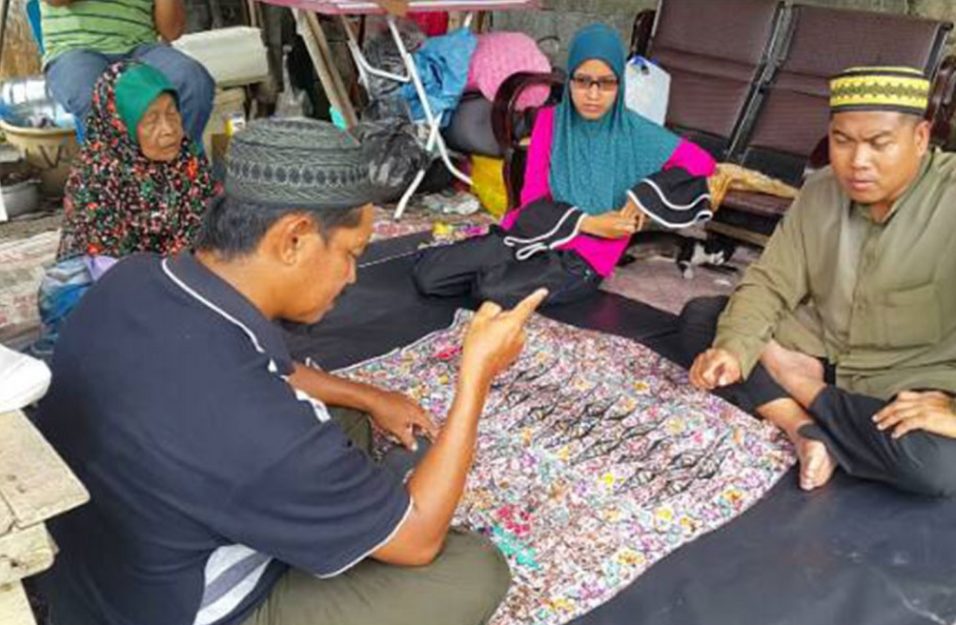
    A traditional healer claims he has brought the misery of a family plagued by mysterious fires over the last few years to an end, with the capture of two types of demons which bothered the family.

    Sinar Harian Online quoted Saad Jaafar, 44, saying that he has caught the demons through procedures he carried out on the family in Kampung Penambang Bunga Emas, Kota Bharu, Kelantan.

    “The first type of demon originated from the foundation of this house and it admitted to torching the house, as it liked to play with fire.

    “The second type of demon was passed down for generations in the victim’s family. It admitted to cutting the victims’ clothes and stealing their money. These are the beings which caused the family so much misery,” he was quoted as saying.

    The family has been plagued by mysterious fires that broke out within hours of each other, without explanation, since 2012. One such incident saw the family home razed to the ground.

    One of the family members, Wan Nur Fatihah Wan Hanafi, 19, lamented being stressed over the treatment she received from her neighbours over the incidents.

    “Wherever I go, people are afraid that a fire will break out. Since the family home burnt down, some were reluctant to give us a house to rent as they thought the demons would follow us.

    “I have done everything possible (to keep the demons away) and so far, the fires have only been plaguing me and my family and no one else, so please don’t be afraid of me or it will complicate things further,” she was quoted as saying.

    She also claimed that there have been no major incidents in the household since the “cleansing” process was carried out three days ago.

    “I hope nothing will catch fire after this as I would hate to see it happen again,” she said.


    Source: https://www.malaysiakini.com/

  • Mohamed Jufrie: Takkanlah Presiden Bertudung Tapi Sesetengah Jawatan Lain Tidak Dibenarkan Kerana ‘Problematic’

    Mohamed Jufrie: Takkanlah Presiden Bertudung Tapi Sesetengah Jawatan Lain Tidak Dibenarkan Kerana ‘Problematic’

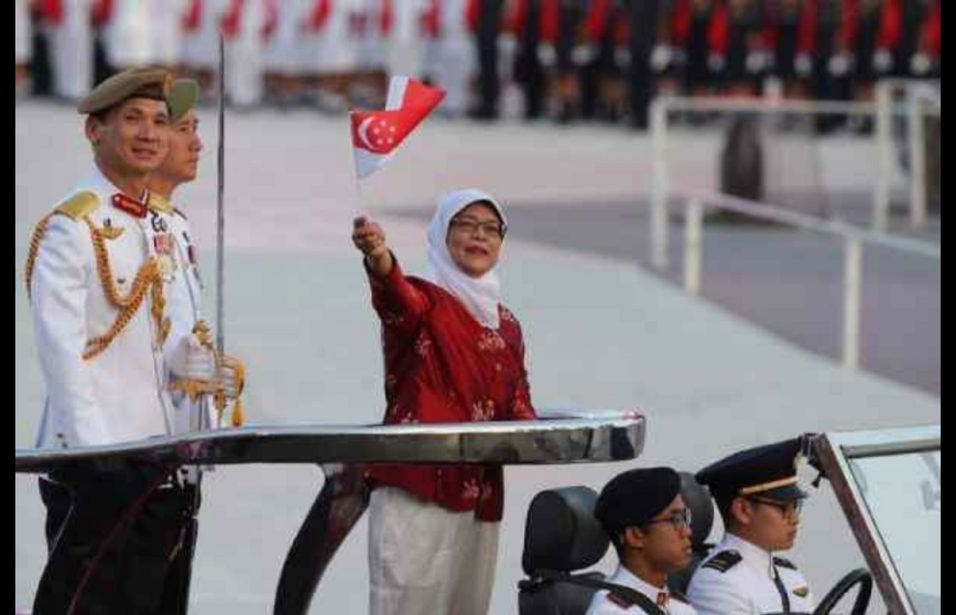
    Terdapat harapan di sebahagian masyarakat Melayu Islam agar isu-isu yang membelenggu masyarakat kita itu, seperti pemakain tudung, diskriminasi dalam perkhidmatan negara dan banyak lagi, akan terhurai semasa tempuh perkhidmatan seorang Presiden Melayu Islam.
    Jika benar berlaku ia akan memberi makna kepada pindaan perlembagaan yang memberi giliran kepada masyarakat minoriti menyandang jawatan tertinggi negara itu.
    Sangat anih dan menghampakan jika peluang yang diberi ini tidak membuahkan perubahan yang diharapkan dan ianya hanya untuk dipamir-pamirkan kepada dunia tentang kewujudan masyarakat berbilang bangsa di Singapura.
    Takkanlah presiden bertudung tetapi sesetengah jawatan lain tidak dibenarkan pemakain tudung kerana akan menimbulkan masalah (problematic kata mereka)? Dan presiden seorang Melayu Islam tetapi masyarakat Melayu Islam didiskriminasi dalam angkatan bersenjata? Lucukan?
    Sama-samalah kita tunggu dan lihat. Tariklah nafas panjang-panjang dan urut dada sementara menanti. Bukankah penantian seperti ini, yang berdekad-dekad lamanya, satu penyiksaan batin?


    Source: Mohamed Jufrie Bin Mahmood

  • Commentary: Artis-Artis Yang Tidak Bersalaman Di APM, Tidak Bererti Mereka Memegang Sikap Radikal

    Commentary: Artis-Artis Yang Tidak Bersalaman Di APM, Tidak Bererti Mereka Memegang Sikap Radikal

    Maher Zain tidak bersalaman dengan Puan Zakiah Halim semasa menerima Anugerah APM. Tidak bersalaman itu bukan bererti Maher Zain seorang radikal.

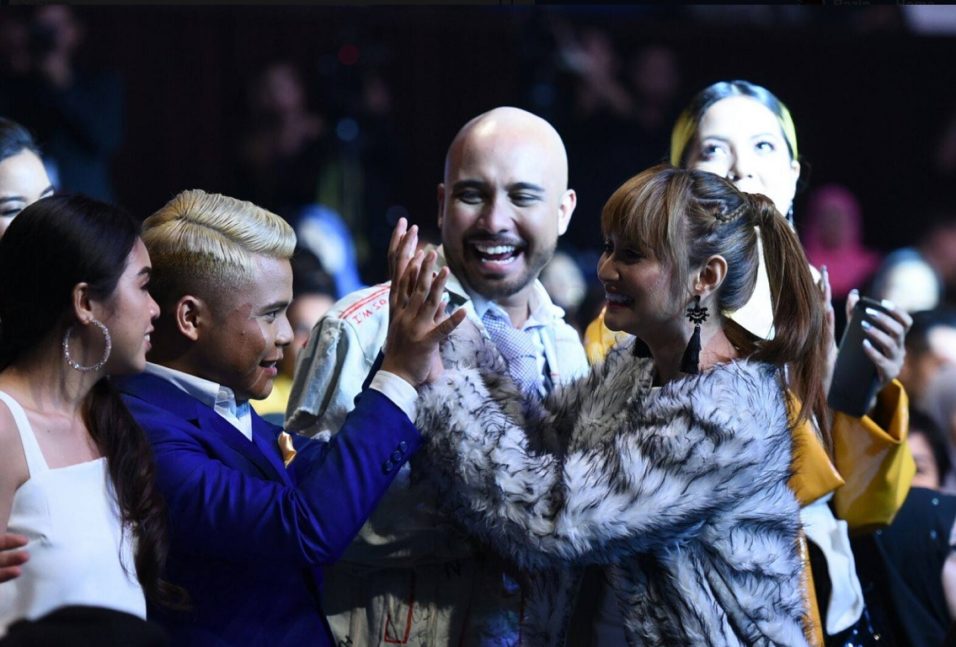
    Begitu juga Izzue Islam, artis dari Malaysia, ketika menyampaikan Anugerah APM kepada seorang artis Indonesia. Beliau setakat mendakapkan kedua tapak tangannya sendiri (macam aksi “ampun tuanku”) sebagai tanda hormat apabila artis itu menghulurkan tangannya ke arah Izzue Islam. Dengan bertindak demikian, itu bukan tanda yang Izzue Islam itu seorang radikal.

    Bersalam atau tidaknya di antara seorang lelaki dengan wanita tidak seharusnya dijadikan kayu ukur untuk menilik samada seseorang itu bersikap radikal atau tidak.

    Seharusnya, perkara ini dilihat dari sudut pendirian peribadi seseorang Muslim dan bukan petanda seseorang itu radikal kerana bersikap eksklusif.

    Kalau enggan bersalaman di antara lelaki dengan perempuan dianggap sebagai bersikap eksklusif lagi radikal, apakah boleh Maher Zain dan Iszul Islam dianggap sedemikian?

    Dalam usaha untuk membenteras radikalisme, usah pula kita jadi terlalu ekstrim atau melampau sehingga bersikap parochial lagi tidak berlapang dada terhadap kepelbagaian yang wujud dalam masyarakat.

    Jangan sampai diri sendiri jadi radikal dalam usaha membenteras radikalisme.

    Kalau ada Muslimah atau Muslimin yang tidak mahu bersalaman dengan lelaki atau perempuan yang bukan Mahram, usahlah mereka itu dilabel sebagai radikal.


    Source: Mohd Khair

  • Sultan Johor: Such Practices Will Result In Suspicion Among Non-Muslims, Wrongly Portray Muslim Life As Extreme, Intolerant And Unjust

    Sultan Johor: Such Practices Will Result In Suspicion Among Non-Muslims, Wrongly Portray Muslim Life As Extreme, Intolerant And Unjust

    Discriminating against non-Muslims on the pretext of religion will ultimately be detrimental to all Malaysians, Johor’s Sultan Ibrahim Iskandar explained on Saturday (Oct 14).

    In his speech during the convocation of Universiti Tun Hussein Onn Malaysia on Saturday, he expanded on his decision to order a laundry in Muar to discontinue its Muslim-only policy.

    Sultan Ibrahim said such practices would not only result in suspicion among non-Muslims, these would also wrongly portray Muslim life as extreme, intolerant and unjust.

    Citing currency notes as an example, he said money was handled by all manner of society, including those who would clearly be considered ritually unclean in Islam.

    “The same money may have been touched by pork butchers, bartenders and may even have come into contact with heavy filth.

    “Must the government then come up with Muslim-friendly notes? Think for yourselves, ladies and gentlemen,” he said.

    Sultan Ibrahim previously ordered the laundry in Muar to stop the discriminatory practice, saying Johor was not a Taliban state and that the laundry operator was free to move to Afghanistan if he disagreed.

    Preacher Zamihan Mat Zin later criticised “a sultan” over the matter, resulting in his arrest for sedition.

    Mr Zamihan later denied that he was referring to Sultan Ibrahim, but the Johor ruler called the preacher a “liar” on Saturday for the attempted denial.

    Sultan Ibrahim also directed the Johor Islamic Religious Department to cease all dealings with the Malaysian Islamic Development Department (Jakim) that employs Zamihan.


    Source: http://www.todayonline.com/

  • ST Commentary: Of Minorities, Majorities And Sensitivities Across Race And Religion

    ST Commentary: Of Minorities, Majorities And Sensitivities Across Race And Religion

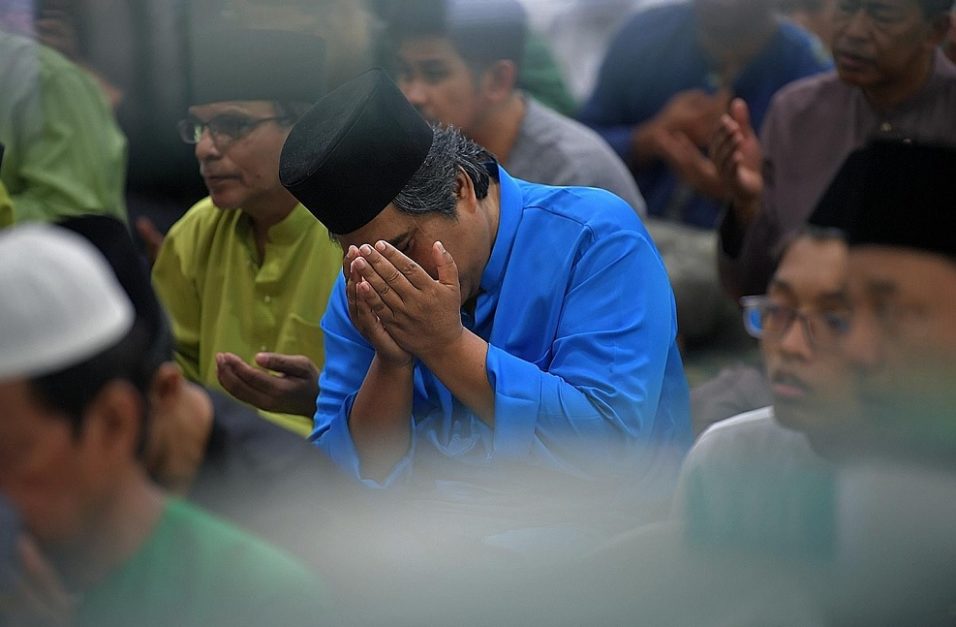
    Do individual Muslims have a special obligation to speak up when radicalised Muslims are in the news for attacks or arrests – such as by condemning the acts or clarifying that Islam is a religion of peace?

    Some non-Muslims in Singapore think so, and it can cause unease among their Muslim friends.

    This discomfort was given voice in Parliament this month, in speeches by two Muslim MPs, in the debate on a motion to strengthen multiracialism in the fight against terror.

    Ms Rahayu Mahzam (Jurong GRC) cited a conversation with a non-Muslim friend about terrorism. She was made to feel defensive and frustrated when he pressed her to say what “true Muslims” were doing to address the problem.

    “I told him, I do not know these people, I do not understand their psyche and it was unfair to put the burden on Muslims alone to resolve this issue,” she said.

    She found a similar situation playing out on social media, noting: “I saw many Facebook postings of Muslim friends condemning the terrorist attacks but also expressing similar frustrations of having to explain to non-Muslim friends that the terrorists’ actions were not aligned with Islamic teachings.”

    Dr Intan Azura Mokhtar (Ang Mo Kio GRC) also warned against “religious suspicion against the Muslims”, adding that “we cannot allow Muslims to feel apologetic for what these terrorist groups – which proclaim to carry out their heinous acts in the name of Islam – have done”.

    It is not that non-Muslims are not allowed to expect anyone from the Muslim community to come out firmly against terrorism or to detail what is being done about the problem within the community. The point here is that they should not expect each and everyone in the Muslim community to have to explain themselves to the satisfaction of any non-Muslim who happens to have doubts on where they stand.

    The fact is, each time someone in the Singaporean Muslim community is implicated in terrorist activity or detained for being radicalised, prominent representatives of the community do issue statements setting out in no uncertain terms the view of the community as a whole. These representatives may be from the Islamic Religious Council of Singapore or other groups, such as the Federation of Indian Muslims, or they may be political leaders who are Muslim. These statements should suffice.

    Non-Muslims should accept them in good faith as being representative of the views of Singaporean Muslims in general – which they are – and not require each individual Muslim they meet in the course of the day to have to prove his or her sincerity afresh.

    Pressing individual Muslims on the issue in person and on social media or requiring them to speak apologetically or to feel apologetic reflects an underlying distrust. It can feel like a slight. It is incumbent on non-Muslims here to be sensitive in their words and actions.

    The reality on the ground is that the Muslim community in Singapore is far more committed to multiculturalism and far less inclined towards the radical ideology of groups like the Islamic State in Iraq and Syria and Al-Qaeda than Muslims in most countries.

    The radicalised segment of Muslims here is very small by proportion. Furthermore, they receive virtually no support from the wider community. There is thus no basis for the kind of scepticism implied by the encounters Ms Rahayu spoke about. (If the radicals in fact receive a lot of latent warmth from ordinary Muslims, then it would be a different story. But that is not the case.)

    What non-Muslims should do, therefore, is: first, understand there is a majority who are distinct from a very small minority, and second, not let that minority colour the way they interact with the majority. But it is possible that the corollary is also true – that Muslims need to approach the issue in a similar way.

    Muslims can see things this way: There is a small minority of non-Muslims who lack prudence in the way they converse with Muslims on the issues of terrorism and radicalism. The broad majority of non-Muslims are not like that – they understand the subtleties or, if not, they are careful not to broach the topic. If this is true, then Muslims too should not allow the actions and words of a minority among non-Muslims to colour their interactions with the majority of non-Muslims.

    In other words, the majority of Muslims and the majority of non-Muslims – who together are the majority of Singapore – instinctively understand, believe in and show respect for multi-religious norms.

    But the two minorities complicate the picture – a Muslim minority who are radicalised, and a non-Muslim minority who are callous or ignorant in the way they speak or act.

    The worst outcome for Singapore is for the two minorities to be allowed to dominate the narrative, thereby dragging the whole of society into an insalubrious atmosphere of suspicion and counter-suspicion.

    The two majorities need to do two things. Each majority must draw a line of principle between itself and its minority, and it must then stand in solidarity with the other majority, so that society stays united.

    In the aftermath of terror attacks in the West, this majority-minority dynamic is often in play.

    In Britain, London and Manchester have reported sharp spikes in the number of anti-Muslim hate crimes after terrorist attacks in the two cities this year – that is, a minority of Muslims conducting attacks on society, and a minority of non-Muslims carrying out just as malignant reprisals on Muslims.

    But when the two majorities defend one another and show solidarity, they can prevail.

    An example of this was the #illridewithyou campaign, a social media campaign in Australia after the Sydney cafe hostage incident in 2014. Non-Muslim Australians offered to ride on public transport with Muslim Australians, to ensure the latter’s safety.

    When the two majorities stand as one, the two minorities are forced back into their dark corners on the fringe of society.

    In Singapore, no physical attack has happened yet, in one direction or the other. But if the country can guard against verbal unpleasantries, like those highlighted in Parliament this month, then there can be more confidence about preventing physical ones too.


    Source: http://www.straitstimes.com (Elgin Toh, Insight Editor)